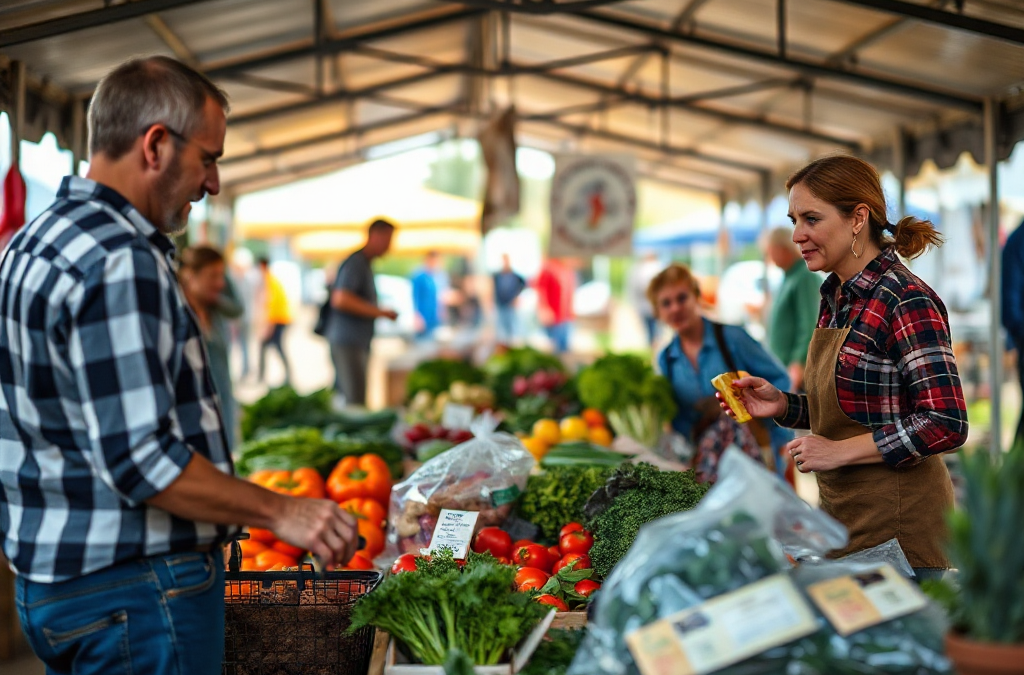
To navigate local farmer’s market regulations, start by understanding the specific rules governing your area, including licensing, health codes, and product restrictions. Familiarize yourself with the market’s requirements for vendors, such as permits, insurance, and labeling practices. Additionally, connect with local agricultural extensions or market associations for guidance and resources that can aid in your compliance and enhance your market experience.
Understanding Local Regulations
Local farmer’s market regulations can vary significantly from one location to another, making it crucial for vendors to thoroughly understand the specific rules that apply to their area. These regulations often cover a range of topics, including what products can be sold, labeling requirements, and vendor eligibility. Engaging with local agricultural departments or market associations can provide valuable insights into these regulations.
Each market typically operates under guidelines set by local health departments, state regulations, and sometimes even federal laws. For example, some markets may restrict the sale of certain homemade foods or require specific certifications for products like meat and dairy. By understanding these regulations, vendors can ensure compliance and avoid potential fines or disqualification from the market.
Permits and Licensing Requirements
Before setting up a stall at a farmer’s market, vendors must secure the necessary permits and licenses mandated by local authorities. Commonly required documents include a business license, sales tax permit, and food handler’s permit, depending on the products being sold. The process can vary based on location; therefore, it’s essential for vendors to research their local requirements well in advance.
For instance, some states require vendors to register with the department of agriculture or health before selling food products. This registration often includes inspections to ensure compliance with food safety standards. Additionally, markets themselves may have their own application processes that include fees, background checks, and other criteria. Being proactive in obtaining these permits not only helps in maintaining compliance but also builds credibility with customers.
Health and Safety Standards
Health and safety standards are critical components of farmer’s market regulations that vendors must adhere to. These standards are designed to protect consumers and ensure that food products are safe for consumption. Vendors should familiarize themselves with local health codes, which may dictate how food should be prepared, stored, and displayed.
For example, many markets require that perishable goods be kept at specific temperatures to prevent spoilage. Additionally, vendors selling prepared foods might need to comply with regulations regarding kitchen inspections and food safety training. A common mistake vendors make is underestimating the importance of these standards, which can lead to fines or even the closure of their stall. Staying informed and compliant with health regulations not only protects customers but also enhances the vendor’s reputation.
Building Relationships with Market Managers
Establishing a good relationship with market managers can significantly enhance a vendor’s experience at the farmer’s market. Market managers are often the gatekeepers of the market and can provide valuable information regarding regulations, vendor expectations, and customer preferences. Regular communication with them can clarify any uncertainties regarding compliance and help vendors adapt to changing regulations.
Moreover, market managers may offer training sessions or workshops on best practices, which can be incredibly beneficial for new vendors. They can also provide insights on how to market products effectively and connect with the community. Building rapport with market management fosters a collaborative atmosphere and can lead to opportunities for special events or promotions that benefit both the vendor and the market.
For those seeking to deepen their understanding of local farmer’s market regulations, consider exploring official resources from local agricultural departments or state health agencies that provide comprehensive guidelines and updates on compliance requirements.

Frequently Asked Questions
What types of products can I sell at a farmer’s market?
The types of products allowed at farmer’s markets vary by location, but generally include fresh produce, homemade goods, and artisanal items. Always check local regulations for specific restrictions.
Do I need a license to sell at a farmer’s market?
Yes, most markets require vendors to obtain a business license, and depending on what you sell, additional permits may be necessary.
How can I ensure my food products are safe?
Adhere to local health and safety standards, which may include proper food handling practices and temperature controls to keep food safe for consumption.
What should I do if I don’t understand the regulations?
Contact local agricultural departments or farmer’s market managers for clarification on regulations and requirements specific to your area.
Can I sell homemade food products?
Yes, but many areas have specific regulations around selling homemade food, including labeling and safety requirements. Check local laws to ensure compliance.
Conclusion
Navigating local farmer’s market regulations is essential for a successful vendor experience. Understanding the specific rules, securing necessary permits, adhering to health standards, and building relationships with market managers are key steps in this process. By prioritizing these elements, vendors can not only ensure compliance but also enhance their market presence and connect more effectively with their community.