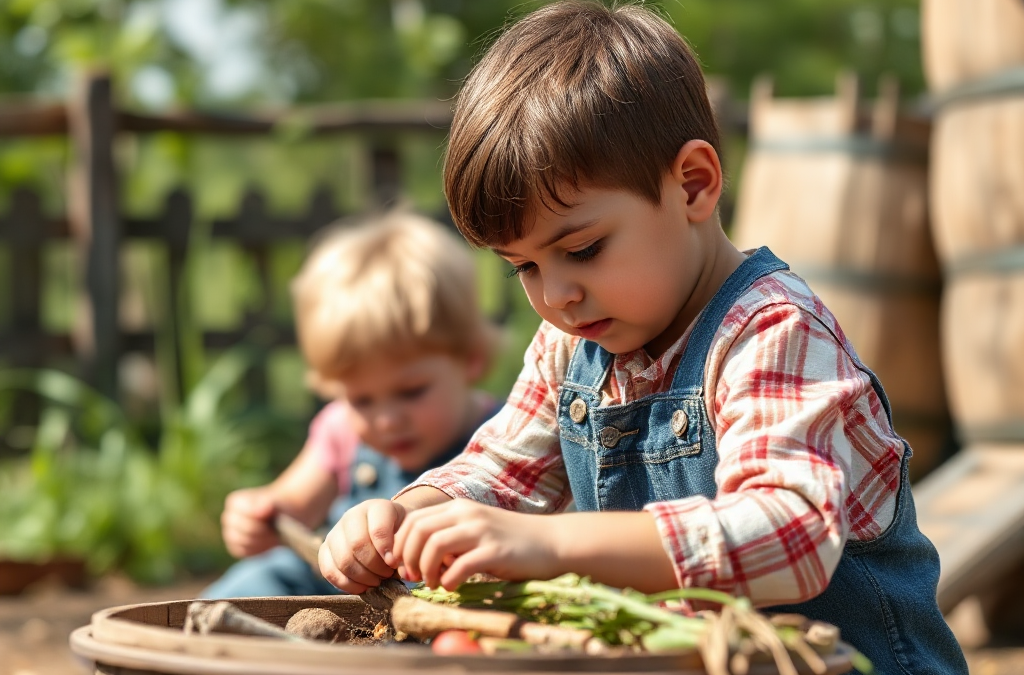
Involving children in homesteading tasks can enhance their life skills and foster a sense of responsibility. Start by assigning age-appropriate chores, such as planting seeds, caring for animals, or gathering eggs, which help them learn about food production and animal care. Ensure that tasks are safe and engaging, allowing for hands-on experience while teaching them the importance of sustainability and hard work. Additionally, make sure to provide guidance and supervision to ensure their understanding and safety.
Understanding the Benefits of Involving Children in Homesteading
Engaging children in homesteading tasks provides numerous benefits, fostering both practical skills and personal growth. By participating in activities like gardening, animal care, or food preservation, children learn essential life skills such as responsibility, teamwork, and patience. These experiences also promote environmental awareness and a connection to food sources, which can lead to healthier eating habits.
Moreover, involving children in homesteading helps them develop problem-solving skills as they encounter and navigate various challenges. For instance, they may need to figure out how to protect plants from pests or how to care for a sick animal. These situations teach critical thinking and adaptability, preparing them for future challenges in life.
Age-Appropriate Tasks for Children
When involving children in homesteading, it’s crucial to assign age-appropriate tasks that match their abilities. For younger children, simple tasks like watering plants, collecting eggs, or planting seeds are ideal. These activities are not only manageable but also allow them to experience the satisfaction of contributing to the homestead.
As children grow older, they can take on more complex responsibilities. For example, pre-teens can learn to care for livestock, help with garden maintenance, or assist in food preservation techniques like canning. Teenagers might engage in planning garden layouts, managing compost systems, or even learning basic carpentry skills for building projects around the homestead. This gradual increase in responsibility builds confidence and competence.
Creating a Fun Learning Environment
To keep children engaged, it’s essential to create a fun and inviting learning environment. Incorporating games and challenges can make tasks more enjoyable. For example, you could turn weeding into a competition to see who can collect the most weeds in a certain time frame, or set up a scavenger hunt related to specific plants or animals on the homestead.
Another effective approach is to integrate storytelling or educational components into tasks. For instance, while planting seeds, share stories about the plants’ growth cycles or the importance of biodiversity. This educational aspect can enhance their understanding and appreciation of the work they are doing.
Safety Precautions and Best Practices
While involving children in homesteading tasks, safety should always be a top priority. Ensure that all tasks are age-appropriate and that children understand the safety measures required for each activity. For instance, when using tools or working around animals, provide thorough instructions and supervision.
Establish clear rules about safety practices, such as wearing gloves when handling plants or using tools only under adult supervision. Additionally, teach children how to recognize potential hazards, like poisonous plants or aggressive animal behaviors, to help them develop situational awareness.
For those looking to delve deeper into the benefits and methods of involving children in homesteading tasks, consider exploring resources from local agricultural extensions or homesteading communities. These sources often provide valuable insights and practical guides tailored to families.

Frequently Asked Questions
What are the benefits of involving children in homesteading tasks?
Involving children in homesteading tasks teaches them responsibility, teamwork, and critical thinking while fostering a connection to the environment and food sources.
What tasks are suitable for young children?
Young children can handle simple tasks like watering plants, gathering eggs, and planting seeds, which are manageable and engaging for them.
How can I make homesteading tasks fun for children?
Incorporate games, competitions, and storytelling into tasks to make them enjoyable and educational, keeping children engaged in the process.
What safety precautions should I take?
Ensure tasks are age-appropriate, provide clear safety instructions, and supervise children while they learn to recognize potential hazards.
How can I gradually increase responsibilities for older children?
As children grow, introduce more complex tasks like caring for livestock or managing garden maintenance to build their skills and confidence.
Conclusion
Involving children in homesteading tasks is a rewarding endeavor that fosters essential life skills, environmental awareness, and a sense of accomplishment. By assigning age-appropriate tasks, creating a fun learning environment, and prioritizing safety, you can cultivate a passion for homesteading in your children. This journey not only strengthens family bonds but also prepares the next generation for a sustainable future.