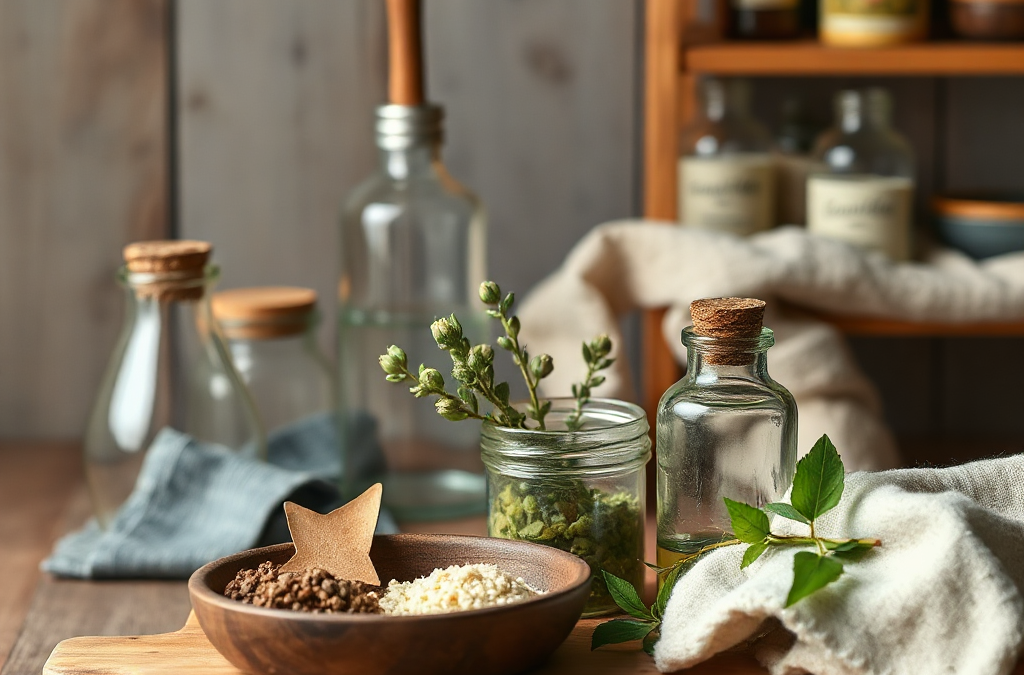
Incorporating herbal remedies into your lifestyle involves understanding their uses, potential benefits, and safe application methods. Start by identifying herbs that align with your health goals, such as chamomile for relaxation or ginger for digestion. It’s essential to research proper dosages and forms, like teas or tinctures, while being mindful of any interactions with medications. Gradually introduce these remedies into your daily routine, paying attention to your body’s responses and adjusting as necessary for optimal results.
Understanding Herbal Remedies
Herbal remedies are derived from plants and have been used for centuries to support health and wellness. They can be used to address various conditions, from digestive issues to stress relief. Understanding the properties and benefits of different herbs is crucial in effectively incorporating them into your lifestyle. For instance, herbs like peppermint may help with digestive discomfort, while lavender is known for its calming effects. Knowledge about these properties allows you to choose the right herbs for your specific health needs.
Additionally, it’s important to recognize that not all herbs are safe for everyone, and some may interact with medications. Always consult a healthcare professional before starting any new herbal regimen, especially if you have existing health conditions or are pregnant.
Selecting the Right Herbs for Your Needs
The selection of herbs should be based on your individual health goals and conditions. Begin by assessing your needs: Are you looking for stress relief, improved digestion, or immune support? Once you identify your goals, research herbs that are known to be effective for those issues.
For example, if your focus is on enhancing immunity, consider herbs like echinacea or elderberry, which have been studied for their immune-boosting properties. Alternatively, if relaxation is your goal, herbs such as valerian root or passionflower may be beneficial. It’s also helpful to keep a journal to track which herbs you use, their effects, and any responses your body has to them.
When selecting herbs, consider whether you prefer fresh, dried, or supplement forms. Fresh herbs can be used in cooking, while dried herbs may be more convenient for teas or capsules.
Safe Practices for Using Herbal Remedies
Safety is paramount when incorporating herbal remedies into your lifestyle. Start with small doses to gauge your body’s reactions. Many herbs can be potent, and their effects may vary based on individual tolerance. It’s advisable to begin with lower concentrations and gradually increase them as you become more familiar with the herb’s effects.
Additionally, research potential side effects and interactions. For instance, St. John’s Wort can interfere with various medications, including antidepressants and birth control pills. Always check reputable sources or consult a healthcare provider for guidance on the safety of specific herbs.
Moreover, consider the source of your herbs. Organic and sustainably sourced herbs are preferable, as they are less likely to contain harmful pesticides or contaminants. Look for products that have been tested for quality and purity.
Incorporating Herbs Into Daily Life
There are numerous ways to incorporate herbal remedies into your daily routine. One popular method is through herbal teas, which can be soothing and enjoyable. For example, a cup of chamomile tea before bed can promote relaxation and improve sleep quality. Alternatively, you can add fresh herbs to your meals for both flavor and health benefits; basil, for instance, is not only delicious but also contains antioxidants.
Another effective method is using tinctures or extracts, which are concentrated forms of herbs. These can be taken directly or added to water or juice. If you’re looking for a quick boost, consider herbal capsules or supplements that offer convenience without compromising on potency.

In addition to these methods, consider creating a dedicated herbal space in your home. Growing your own herbs can be a fulfilling hobby that provides fresh ingredients for your remedies. Even a small windowsill can accommodate pots of basil, mint, or rosemary.
Frequently Asked Questions
What are herbal remedies?
Herbal remedies are plant-based treatments used to promote health and alleviate various ailments. They can be consumed as teas, tinctures, or supplements.
How do I choose the right herbal remedy?
Identify your health goals, research herbs known for those benefits, and consult a healthcare provider to ensure safe and effective use.
Are there any risks associated with herbal remedies?
Yes, herbal remedies can interact with medications and may cause side effects. It’s important to start with small doses and consult a healthcare professional.
Can I grow my own herbs?
Absolutely! Growing your own herbs is a rewarding way to ensure you have fresh ingredients for your remedies. Many herbs can be grown in pots on a windowsill.
How can I incorporate herbs into my daily routine?
You can drink herbal teas, add fresh herbs to meals, use tinctures, or take supplements. Find methods that fit your lifestyle and preferences.
Conclusion
Incorporating herbal remedies into your lifestyle can enhance your well-being and provide natural alternatives for common ailments. By understanding the properties of various herbs, selecting the right ones for your needs, and practicing safe usage, you can effectively integrate these remedies into your daily routine. Start small, stay informed, and enjoy the journey of discovering how herbs can benefit your health.

Additional Resources
Authoritative Sources
- Herbal Remedies 101: Efficacy, Safety, and Best Practices
indwes.eduExplore best practices for using herbal remedies safely and effectively, blending traditional wisdom with modern integrative health ...