
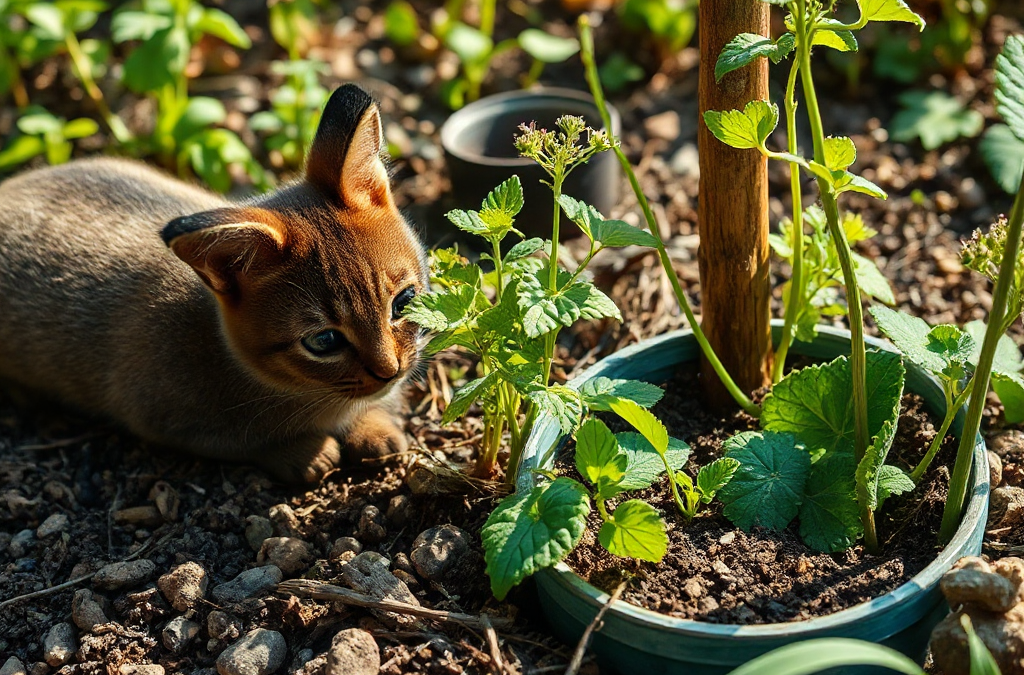
Creating a self-sustaining ecosystem involves designing a system where plants, animals, and microorganisms interact harmoniously, minimizing external inputs. Start by selecting native plants that thrive in your local environment, incorporate diverse plant species to support various wildlife, and establish a water source for irrigation and habitat. Additionally, consider composting organic waste to enrich the soil and promote healthy growth while reducing dependence on chemical fertilizers.
Understanding Ecosystem Components
To create a self-sustaining ecosystem, the various components that play a role in its functionality. A self-sustaining ecosystem typically includes producers (plants), consumers (animals), and decomposers (microorganisms). Each element must interact effectively to maintain balance, allowing energy and nutrients to flow continuously within the system.
Producers, such as native plants, are vital as they convert sunlight into energy through photosynthesis. Selecting plants that are well-adapted to your local climate and soil will maximize their growth and resilience. Consumers, including insects, birds, and mammals, rely on these plants for food, while decomposers break down organic matter, returning essential nutrients to the soil.
Understanding these interactions helps in creating a thriving ecosystem. For example, including flowering plants can attract pollinators, which aid in the reproduction of other plants, ultimately enhancing biodiversity and ecosystem health. Prioritizing native species fosters a stronger connection with local wildlife, ensuring a more resilient ecosystem overall.
Designing Your Ecosystem
Designing a self-sustaining ecosystem requires careful planning and consideration of the space available. Start by assessing the land’s natural features, such as sunlight, water sources, and soil quality. This assessment will guide your plant selection and layout, ensuring they thrive in their environment.
When designing your ecosystem, consider implementing permaculture principles, which focus on creating integrated systems that mimic natural processes. For instance, planting a variety of crops in layers (known as polyculture) can optimize space and resources while reducing pests and diseases. Companion planting, where certain plants are grown together to enhance growth or deter pests, is another effective strategy.
Additionally, incorporating water features, such as ponds or rain gardens, can attract wildlife and support biodiversity. These water sources can also provide irrigation for plants during dry periods. Creating microclimates through strategic plant placement can help protect sensitive species from harsh weather, further enhancing the ecosystem’s resilience.
Maintaining Balance and Health
Once your self-sustaining ecosystem is established, ongoing maintenance is crucial to ensure its health and productivity. Regular monitoring of plant growth, soil quality, and wildlife activity will help you identify any issues that may arise. Implementing organic practices, such as composting and natural pest control, can support the ecosystem’s health while minimizing external inputs.
Composting organic waste not only enriches the soil but also reduces the need for chemical fertilizers. By creating a compost pile with kitchen scraps, yard waste, and other organic materials, you can provide essential nutrients to your plants. Additionally, encouraging beneficial insects, such as ladybugs and lacewings, can help control pest populations naturally.
Establishing a diverse range of plants will also contribute to the ecosystem’s resilience. Different species have varying nutrient requirements and tolerances, making it less likely for the entire system to collapse due to a single pest or disease. Regularly rotating crops and incorporating cover crops can prevent soil depletion and maintain a healthy ecosystem.
Common Mistakes to Avoid
Creating a self-sustaining ecosystem is a rewarding venture, but several common mistakes can hinder success. One frequent error is selecting non-native plants, which may struggle to thrive and disrupt local wildlife interactions. Always choose plants that are well-suited to your specific climate and soil conditions.

Another mistake is over-reliance on chemical fertilizers and pesticides. These products can harm beneficial organisms and disrupt the delicate balance within the ecosystem. Instead, focus on organic alternatives, such as composting and natural pest management strategies.
Lastly, failing to monitor the ecosystem regularly can lead to unnoticed issues, such as pest infestations or nutrient deficiencies. Establishing a routine for checking plant health and soil conditions will help you address problems before they escalate, ensuring a thriving ecosystem.
Frequently Asked Questions
What are the key components of a self-sustaining ecosystem?
A self-sustaining ecosystem includes producers (plants), consumers (animals), and decomposers (microorganisms) that interact to maintain balance and nutrient cycling.
How do I choose plants for my ecosystem?
Select native plants that are well-adapted to your local climate and soil to ensure they thrive and support local wildlife.
What are the benefits of composting in an ecosystem?
Composting enriches the soil with nutrients, reduces waste, and supports healthy plant growth by returning organic matter to the ecosystem.
How can I maintain balance in my ecosystem?
Regular monitoring of plant health, soil quality, and wildlife activity, along with implementing organic practices, helps maintain balance in the ecosystem.
What mistakes should I avoid when creating an ecosystem?
Avoid selecting non-native plants, over-relying on chemical fertilizers, and neglecting regular monitoring of the ecosystem’s health.

