
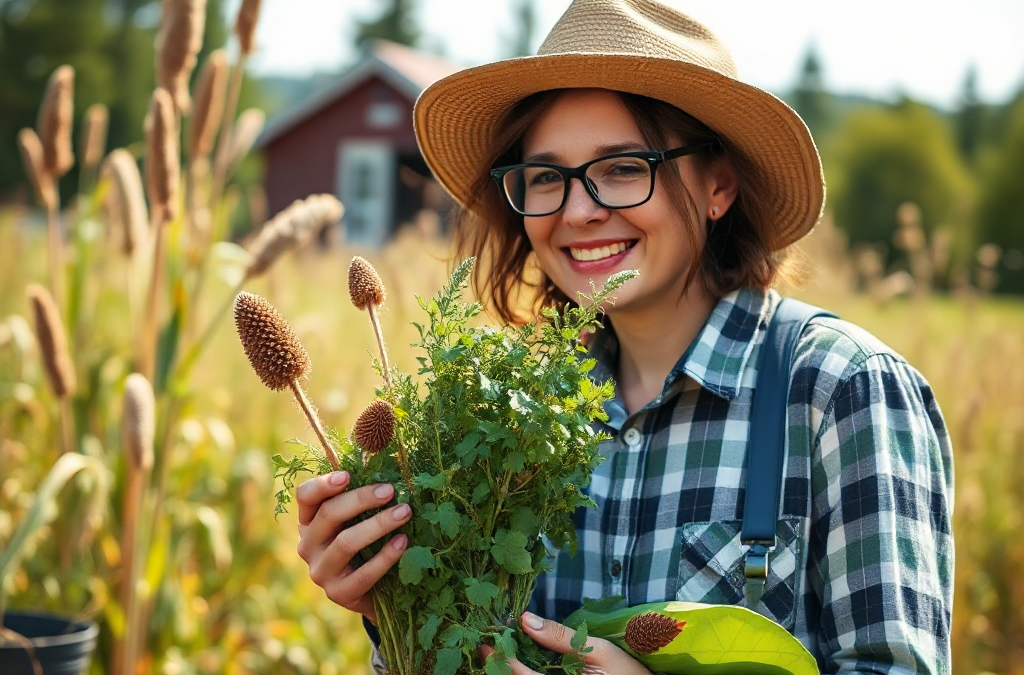
To integrate foraging into your homesteading lifestyle, begin by familiarizing yourself with local edible plants and their seasonal availability. Join foraging groups or workshops to learn from experienced foragers, which can enhance your skills and confidence. A common mistake is misidentifying plants, so always cross-check information from multiple sources to avoid dangerous errors. Additionally, practice sustainable foraging by only taking what you need, ensuring that local ecosystems remain healthy and diverse. This approach not only enriches your diet but also deepens your connection to the land.
Understanding Foraging Basics
Foraging is the practice of searching for and gathering wild food resources. It’s a valuable skill for homesteaders, enhancing self-sufficiency and connection to nature. Understanding local ecosystems is crucial, as it informs what edible plants are available and when. Foraging can also contribute to biodiversity, offering a way to engage with the environment sustainably.
To begin foraging, familiarize yourself with your local environment. Spend time outdoors observing plant life, noting which species thrive in different conditions. This knowledge will help you recognize which plants to seek during your foraging expeditions. Additionally, consider joining local foraging groups or classes to learn from experienced foragers.
Identifying Edible Plants
Identifying edible plants is a critical step in foraging. Start by researching local flora through field guides or apps dedicated to plant identification. Pay attention to key characteristics such as leaf shape, flower color, and growth patterns. Some common edible plants include dandelions, wild garlic, and various berries.
One effective method for honing your identification skills is to participate in foraging walks led by experts. These experiences provide hands-on learning, allowing you to ask questions and gain confidence in your abilities. Additionally, always cross-reference information from multiple sources to ensure accuracy, as some plants have poisonous look-alikes.
Seasonal Foraging Strategies
Foraging is highly seasonal, with different plants becoming available throughout the year. Spring often brings greens like wild leeks and ramps, while summer is ideal for berries and mushrooms. Fall offers nuts and seeds, making it essential to understand the seasonal cycle of your local ecosystem.
To effectively plan your foraging activities, create a seasonal calendar noting when various plants are at their peak. This approach allows you to maximize your foraging efforts and ensures you don’t miss out on any opportunities. Additionally, consider preserving your foraged foods through drying, pickling, or freezing to enjoy them year-round.
Integrating Foraging into Daily Life
Integrating foraging into your daily life can enhance your meals and promote a deeper appreciation for local resources. Start by incorporating foraged ingredients into your cooking; for instance, use dandelion leaves in salads or wild berries in desserts. This not only diversifies your diet but also reduces reliance on store-bought produce.
Another way to integrate foraging is to plan your meals around what’s available in your area. Before grocery shopping, take a walk to see what you can gather. This practice encourages creativity in the kitchen and fosters a sustainable lifestyle. Additionally, consider sharing your foraged finds with friends and family, creating a community around local food sources.
Common Mistakes to Avoid
While foraging can be rewarding, there are common mistakes that can lead to negative experiences. One major pitfall is misidentifying plants, which can result in consuming toxic species. Always double-check your findings and, when in doubt, consult an expert.

Another mistake is overharvesting, which can threaten local ecosystems. Practice sustainable foraging by only taking what you need and leaving enough for wildlife and future growth. Additionally, be mindful of local regulations regarding foraging in public spaces, as some areas have restrictions in place to protect native species.
Frequently Asked Questions
Is foraging safe for beginners?
Foraging can be safe if you learn to identify plants accurately and follow sustainable practices.
How can I preserve foraged foods?
Common methods include drying, pickling, and freezing to extend the shelf life of foraged foods.
What are some common mistakes to avoid when foraging?
Misidentifying plants and overharvesting are common mistakes that can lead to negative outcomes.
Can I forage in urban areas?
Yes, urban areas often have edible plants, but be cautious of pollution and pesticide use.
Conclusion
Integrating foraging into your homesteading lifestyle offers numerous benefits, from enhancing your meals to fostering a deeper connection with nature. By understanding local ecosystems, identifying edible plants, and practicing sustainable harvesting, you can enjoy the rewards of foraging. Remember to prioritize safety and sustainability, and don’t hesitate to seek guidance from experienced foragers. Start small, and gradually expand your foraging skills to enrich your homesteading experience.


