
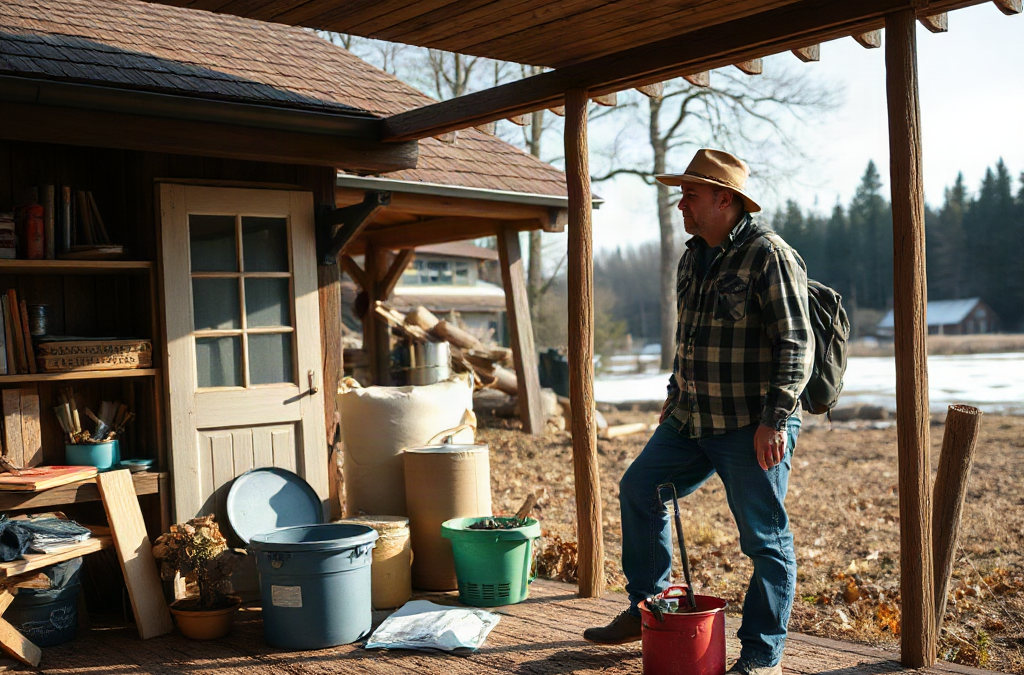
Creating a homestead emergency plan involves identifying potential risks, establishing communication protocols, and preparing evacuation routes. Begin by assessing threats such as natural disasters or power outages. Next, develop a communication strategy to keep your family informed during crises, and ensure that you have clear evacuation routes and emergency supplies ready. Regularly review and practice your plan to ensure everyone knows their roles and responsibilities.
Assessing Potential Risks
Understanding the specific risks associated with your homestead is the first step in creating an effective emergency plan. Risks can vary greatly depending on geographical location, climate, and the type of homesteading activities you engage in. For instance, those in flood-prone areas need to plan for water damage, while those in wildfire regions must prepare for evacuation and property protection.
Begin by conducting a thorough risk assessment. Identify potential hazards such as:
- Natural disasters (hurricanes, floods, earthquakes)
- Fire hazards (wildfires, house fires)
- Health emergencies (pandemics, injuries)
- Power outages
- Food supply disruptions
Once you have identified these risks, prioritize them based on their likelihood and potential impact. This prioritization will guide the development of your emergency strategies and resource allocation.
Developing a Communication Plan
Effective communication during an emergency can be the difference between safety and chaos. Establish a communication plan that outlines how your family will stay in touch during a crisis, especially if you are separated. This plan should include:
- Emergency contact numbers (local authorities, family members)
- Designated meeting points
- Methods of communication (cell phones, walkie-talkies, or signal flares)
Consider investing in a two-way radio system, especially in remote areas where cell service may be unreliable. Regularly review and practice this communication plan to ensure everyone knows how to reach each other and where to go in case of an emergency.
Creating an Evacuation Strategy
An evacuation strategy is crucial for ensuring the safety of your family and livestock during emergencies such as wildfires or floods. Start by mapping out multiple evacuation routes from your homestead, taking into account:

- Accessibility (avoid routes that may become blocked)
- Distance to safe locations (friends, family, community centers)
- Transport options (vehicles, trailers for livestock)
Conduct drills to familiarize your family with these routes. This practice helps identify potential challenges and allows you to refine your plans. Additionally, consider creating a checklist of items to take with you, including important documents, medications, and emergency kits.
Preparing Emergency Supplies
Being prepared with emergency supplies can significantly enhance your resilience during a crisis. Start by assembling a comprehensive emergency kit that includes:
- First aid supplies
- Non-perishable food and water (enough for at least three days)
- Flashlights and batteries
- Personal hygiene items
- Blankets and warm clothing
- Tools for repairs
Store these supplies in easily accessible locations and ensure they are regularly checked and replenished. Consider developing a separate kit for your livestock, including food, water, and transport options. Additionally, maintain a list of your supplies and their expiration dates to keep everything organized.

Additional Resources
Authoritative Sources
- Disaster Preparedness Plan | Make a Plan
redcross.orgCreate Your Emergency Plan in Just 3 Steps Red. Red number three Practice as many elements of your plan as possible. Include Common Emergency Scenarios. ...

