
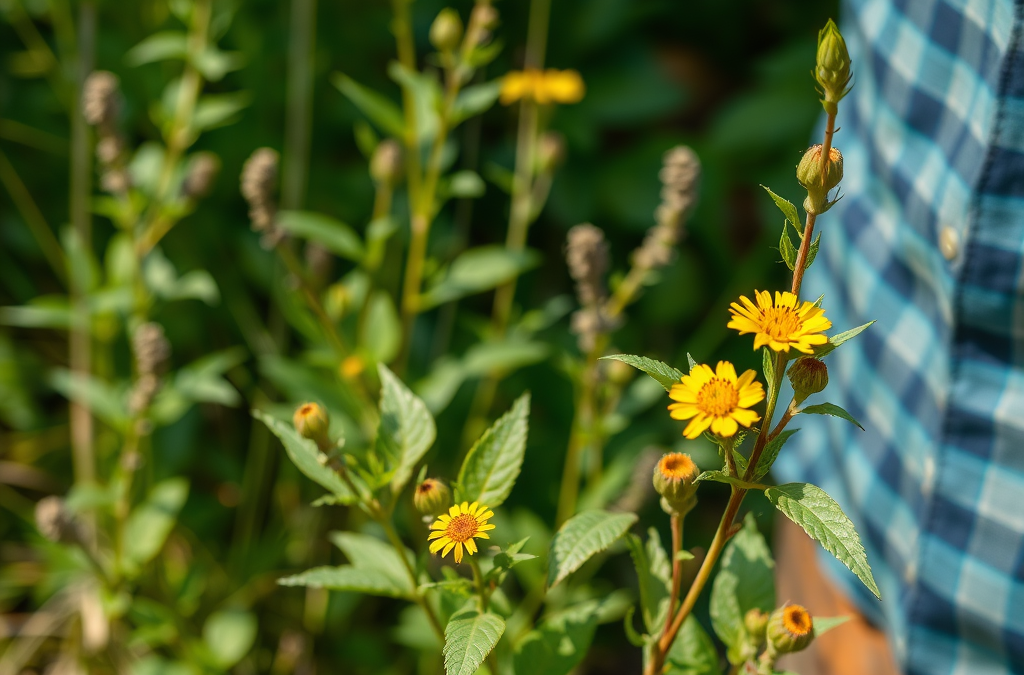
To successfully identify native plants for your homestead, start by researching the specific flora of your region and understanding the local ecosystem. Look for plants that are well-adapted to your soil and climate, as these will typically require less maintenance and water. Utilize resources such as field guides, local extension services, or native plant societies to gain insights into the best species for your area. Avoid the common mistake of choosing non-native varieties, which may not thrive and can lead to increased costs and labor. By prioritizing native plants, you can enhance biodiversity, support local wildlife, and create a more resilient and sustainable homestead.
Understanding Native Plants
Native plants are species that have evolved in a specific region and have adapted to the local environment. Understanding their role is crucial for successful homesteading. These plants are typically well-suited for the local climate, soil conditions, and other environmental factors. By choosing native plants, you can create a sustainable ecosystem that requires less water and maintenance compared to non-native species.
Many homesteaders overlook the importance of native plants, often opting for exotic varieties that may not thrive in their local conditions. This oversight can lead to increased costs and labor, as non-native plants may require more resources to grow successfully. Recognizing the value of native species is essential for creating a resilient and self-sustaining homestead.
Benefits of Native Plants on Your Homestead
Incorporating native plants into your homestead offers numerous benefits. Firstly, they promote biodiversity by providing habitats for local wildlife, including pollinators like bees and butterflies. This increased biodiversity can lead to healthier ecosystems, which in turn supports your crops and livestock.
Secondly, native plants are generally more resilient to local pests and diseases, reducing the need for chemical interventions. They are adapted to the local climate and soil, often requiring less water and fertilizer. This can lead to significant cost savings over time, making your homestead more sustainable.
Moreover, native plants can enhance the aesthetic appeal of your property. They often have beautiful flowers and foliage that contribute to the overall landscape. When planning your homestead, consider how native plants can fit into your design, creating visually appealing and ecologically beneficial spaces.
Identifying Native Plants: Key Characteristics
Identifying native plants involves observing specific characteristics that can help distinguish them from non-native species. Start by examining the leaves, flowers, and growth habits of plants in your area. Many native plants have unique adaptations, such as drought resistance or specific root structures, that allow them to thrive in local conditions.

Utilizing a field guide specific to your region can be immensely helpful. These guides often include pictures and descriptions of native plants, making it easier to identify them in the wild. Additionally, understanding the bloom times and seasonal changes of local flora can aid in identification efforts.
Common mistakes in identifying native plants include confusing them with similar-looking non-native varieties or failing to account for seasonal changes in appearance. Observing plants throughout the year can provide a better understanding of their characteristics and growth patterns.
Resources for Identifying Native Plants
Several resources can assist you in identifying native plants for your homestead. Local extension services often provide educational materials and workshops on native plant identification and landscaping. Additionally, botanical gardens and nature centers can be excellent places to learn about local flora and fauna.
Online databases and mobile applications also offer valuable tools for plant identification. Websites dedicated to native plants often include photos, descriptions, and information about their ecological roles. Engaging with local gardening clubs or online forums can connect you with experienced homesteaders who can share their knowledge about native plants.
Additional Resources
Authoritative Sources
- Incorporating Native Plants in Your Residential Landscape
njaes.rutgers.eduStep 1: Identify Plant Species. It is best to know what you have growing on ... Now the fun part begins by identifying what native plants you'd like for your ...

