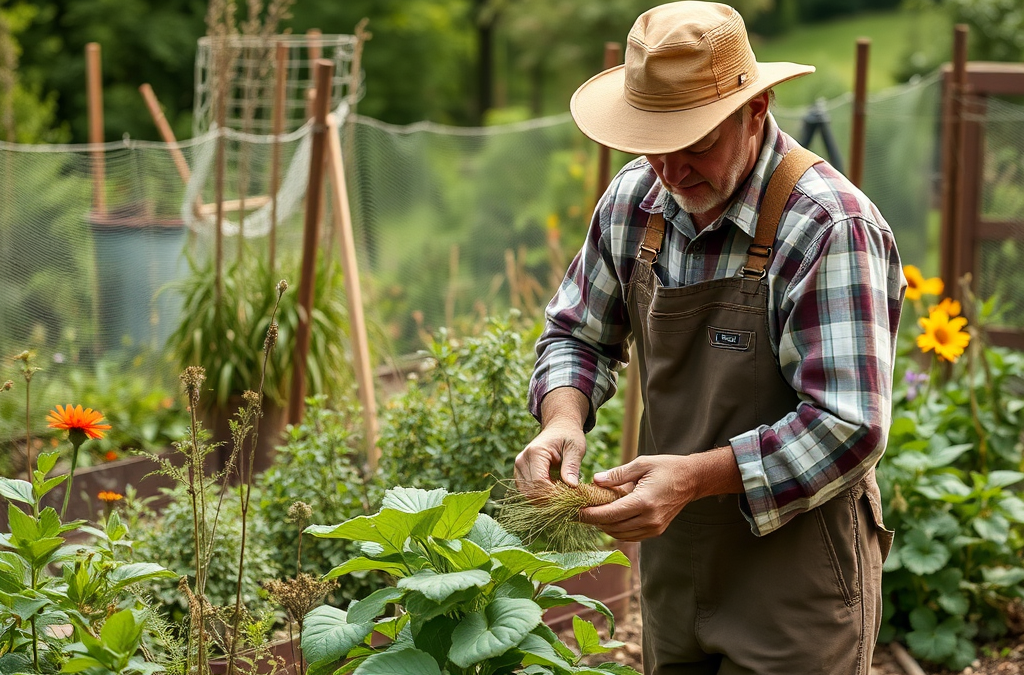
To deal with pests in a homestead garden, implement a combination of preventive measures and targeted interventions. Start by promoting biodiversity through companion planting and introducing beneficial insects like ladybugs. Regularly inspect plants for signs of pest damage and employ organic solutions such as neem oil or insecticidal soap when necessary. Maintaining healthy soil and plant vigor also helps reduce pest susceptibility, ensuring your garden thrives despite potential threats.
Understanding Common Garden Pests
Identifying the specific pests that threaten your homestead garden is crucial for effective management. Common garden pests include aphids, caterpillars, spider mites, and whiteflies. Each of these pests has unique behaviors and life cycles that affect how they interact with plants. For instance, aphids can reproduce quickly, leading to large infestations, while caterpillars may cause significant damage by consuming leaves. Understanding these pests helps in tailoring your approach to combat them effectively.
Many pests are attracted to weak or unhealthy plants, making it essential to maintain overall plant health. For example, a nutrient-deficient plant may be more susceptible to aphid infestations. Additionally, environmental factors like humidity and temperature can influence pest populations. Keeping an eye on these elements can help you anticipate potential outbreaks and act before they escalate.
Preventive Strategies for Pest Management
Preventing pest issues in your homestead garden starts with strategic planning and cultivation practices. Implementing companion planting is one effective method; for example, planting marigolds alongside vegetables can deter nematodes and certain beetles. Additionally, rotating crops annually can disrupt pest life cycles and reduce their populations. This practice prevents pests from becoming established in one area over time.
Another preventive approach is maintaining proper garden hygiene. Regularly removing debris, fallen fruit, and dead plants can eliminate breeding grounds for pests. It’s also essential to ensure good air circulation around plants, which can help lower humidity levels that attract pests like mildew and fungus. By creating an environment that is less hospitable to pests, you reduce the chances of infestations before they even begin.
Organic Solutions and Treatments
When pests do become a problem, organic solutions provide a safe and effective way to manage them without harming beneficial insects or the environment. Neem oil is a popular choice, as it disrupts the life cycle of many pests, including aphids and spider mites. Insecticidal soap is another effective treatment that works by suffocating pests on contact.
Another option is to introduce beneficial insects, such as ladybugs and lacewings, which prey on common pests. Establishing a habitat for these beneficial insects, like a small insect hotel or diverse plantings, encourages their presence in your garden. Additionally, homemade remedies, like garlic or pepper sprays, can deter pests when applied regularly.

Monitoring and Maintenance Practices
Regular monitoring is vital for identifying pest problems early. Inspect your plants weekly for signs of damage or pest presence, such as discolored leaves or webbing. Early detection allows for prompt action, which can prevent minor infestations from escalating into major problems.
In addition to inspections, keeping records of pest activity can help identify patterns and inform future strategies. Note when pests appear, how they affect different plants, and which treatments are most effective. This data can guide your decisions in subsequent growing seasons, allowing you to refine your pest management approach over time.

Additional Resources
Authoritative Sources
- EPA Safe Pest Control
epa.govOfficial information for safer pest-management decisions.