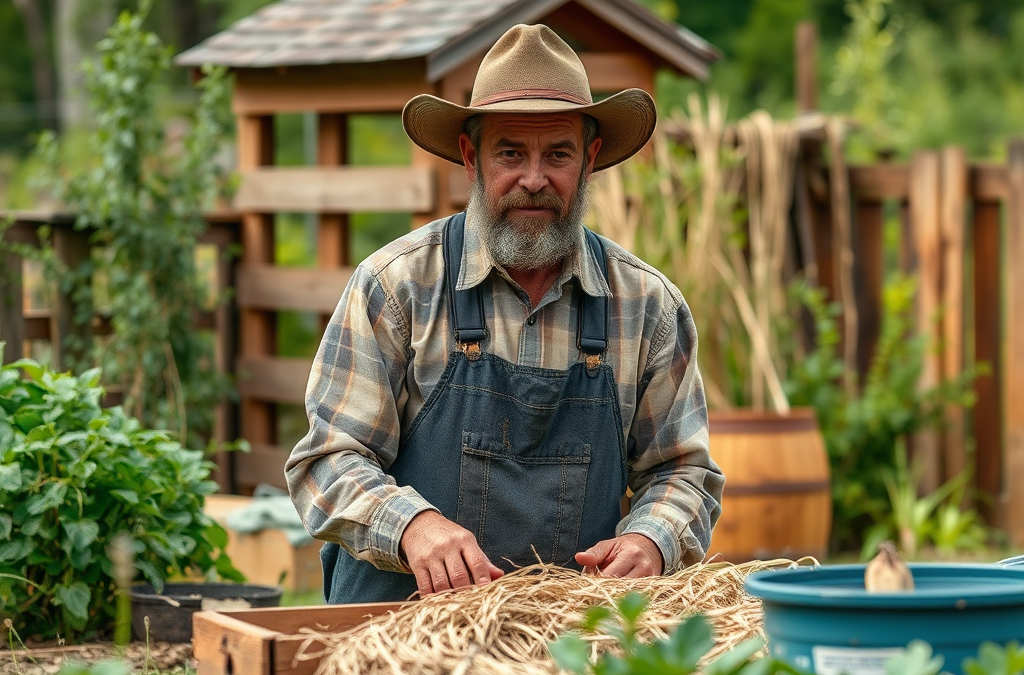
If you notice signs your homestead practices need improvement, such as declining crop yields, increased pest problems, or poor soil health, it’s time to take action. These issues often stem from nutrient imbalances, ineffective pest management, or inadequate watering techniques. To enhance productivity, regularly assess your plants and soil, and consider implementing crop rotation or companion planting to foster a healthier ecosystem. Addressing these challenges can lead to more robust plants, reduced pest pressure, and ultimately, a more successful homesteading experience.
Declining Yields and Crop Health
One of the most telling signs your homestead practices need improvement is a noticeable decline in crop yields and overall plant health. This decline may manifest as stunted growth, yellowing leaves, or smaller fruit sizes. These symptoms often indicate underlying problems such as nutrient deficiencies, improper watering, or inadequate pest control.
For example, if you notice that your tomatoes are producing fewer fruits than previous years, it could be due to over-fertilization, which can lead to excessive foliage growth at the expense of fruit development. Alternatively, insufficient watering practices can stress plants, making them more susceptible to diseases and pests.
To address these issues, regularly monitor your plants for signs of distress and adjust your practices accordingly. Conduct soil tests to determine nutrient levels and amend your soil as needed. Implementing crop rotation and companion planting can also help improve yields and plant health by promoting biodiversity and reducing pest pressure.
Increased Pest and Disease Issues
Another clear indicator that your homestead practices may need reevaluation is a rise in pest infestations and plant diseases. If you find yourself battling more pests than usual or experiencing frequent disease outbreaks, it’s time to reassess your strategies. This situation often indicates that your ecosystem is out of balance, which can be caused by several factors, including monoculture planting, lack of beneficial insects, and poor soil health.
For instance, growing the same crop in the same location year after year can lead to an accumulation of pests that thrive on that specific crop. Implementing integrated pest management (IPM) strategies, such as introducing beneficial insects like ladybugs or using traps, can help control pest populations naturally.
Additionally, practicing good hygiene in your garden, such as removing dead plant material and ensuring proper spacing between plants, can reduce the likelihood of disease spread. Regular monitoring and preventive measures are essential for maintaining a healthy and productive homestead.
Inefficient Resource Management
Resource management is critical in homesteading, and inefficiencies in this area can lead to increased costs and reduced productivity. Signs that your resource management practices need improvement include high water usage, excessive waste, and reliance on purchased inputs such as fertilizers and pesticides.
For example, if you find yourself constantly buying fertilizers, it may indicate that your composting practices are not effective. Improving your composting system can help you recycle organic waste, reduce the need for purchased fertilizers, and enrich your soil, leading to healthier plants.
Another aspect to consider is your water management. Implementing rainwater harvesting systems and drip irrigation can significantly reduce water usage while ensuring your plants receive consistent moisture. By auditing your resource management practices, you can identify areas for improvement that will enhance both sustainability and efficiency.
Poor Soil Health and Fertility
Soil health is the foundation of a successful homestead, and poor soil conditions can lead to a cascade of problems. Signs of poor soil health include low organic matter content, compaction, and poor drainage. These conditions can severely limit plant growth and lead to nutrient deficiencies.
For instance, if your garden soil is compacted, it can restrict root growth and water infiltration, making it difficult for plants to thrive. To improve soil health, consider practices such as cover cropping, which adds organic matter and improves soil structure, or no-till gardening, which minimizes disturbance to the soil ecosystem.

Regular soil testing is essential to monitor nutrient levels and pH, allowing you to make informed decisions about amendments and treatments. By prioritizing soil health, you can create a thriving environment for your plants and enhance the overall productivity of your homestead.
Frequently Asked Questions
What are the signs of poor crop health?
Signs of poor crop health include yellowing leaves, stunted growth, and reduced yields, indicating potential nutrient deficiencies or environmental stress.
How can I improve soil health on my homestead?
Improving soil health can be achieved through practices like composting, cover cropping, and minimizing soil disturbance with no-till methods.
What is integrated pest management (IPM)?
IPM is a sustainable approach to managing pests that combines biological, cultural, physical, and chemical tools to minimize pest damage while reducing risks to health and the environment.
Why is resource management important in homesteading?
Effective resource management is crucial for reducing costs, improving sustainability, and ensuring that your homestead operates efficiently, maximizing productivity.
How often should I test my soil?
Soil tests should be conducted every 2-3 years or whenever you notice significant changes in plant health or productivity to ensure nutrient levels are optimal.
Conclusion
Monitoring the signs that your homestead practices need improvement is vital for ensuring a productive and sustainable environment. Focusing on crop health, pest management, resource efficiency, and soil quality can significantly enhance your homesteading success. Regular assessments and adjustments will lead you to a more resilient and thriving homestead, ultimately allowing you to enjoy the benefits of your hard work.