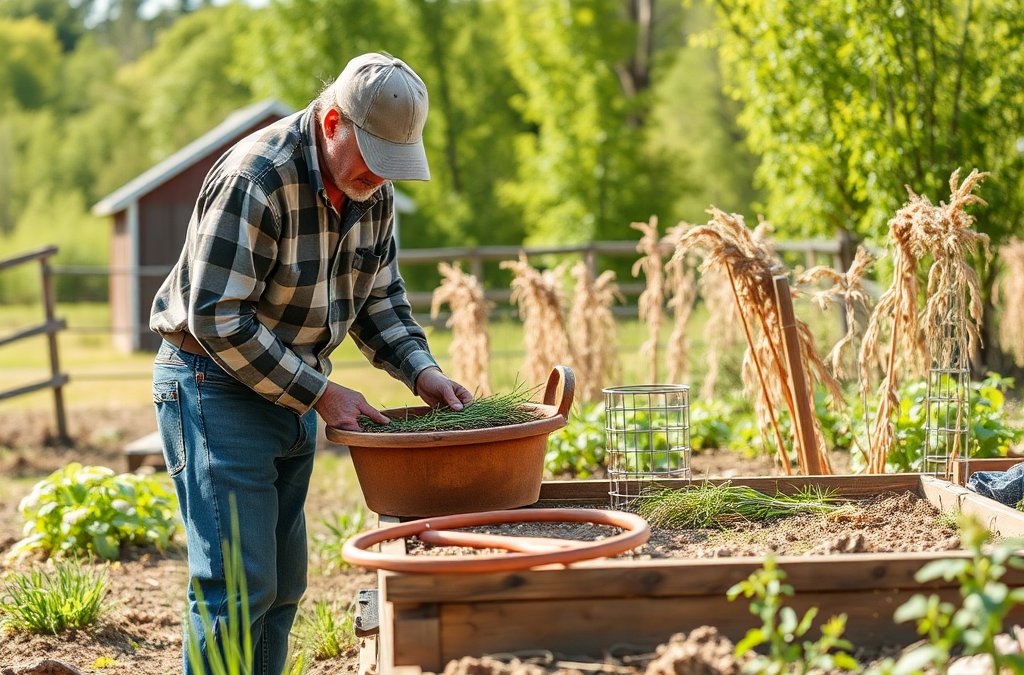
To assess your homestead’s productivity, focus on specific metrics like crop yields, livestock output, and resource efficiency. Begin by measuring the yield of each crop type and tracking the input costs associated with them, as this will provide a clearer picture of profitability. Regularly evaluate soil health and water usage to identify areas for improvement. A common mistake is to overlook the relationship between inputs and outputs, which can lead to misguided assessments. By maintaining detailed records and adjusting practices based on your findings, you can enhance your homestead’s overall productivity and sustainability.
Understanding Productivity Metrics
Assessing productivity on a homestead begins with understanding the key metrics that define success. These metrics often include crop yields, livestock production rates, and overall resource efficiency. By establishing clear benchmarks for each area, homesteaders can measure performance over time. For instance, a homesteader might track the number of vegetables harvested per square foot of garden space, alongside the amount of water used for irrigation. This dual approach not only highlights productive areas but also points out inefficiencies that may need addressing.
Common mistakes arise when metrics are either too broad or not specific enough, leading to misguided evaluations. For example, simply tracking total crop yield without considering the input costs or labor can create a skewed perspective on productivity. Therefore, focusing on comprehensive metrics that include both outputs and inputs is crucial for a realistic assessment.
Evaluating Crop Yields
Crop yields are a fundamental indicator of homestead productivity. To effectively evaluate them, start by calculating the total yield of each crop type. This can be measured in pounds or bushels per acre, depending on the crop. Additionally, consider the growing conditions, including soil health, pest management, and weather patterns, as these factors significantly influence yield.
For example, a homesteader growing tomatoes might find that a specific variety yields better in their soil and climate conditions. By comparing yields across different varieties and adjusting planting strategies based on these observations, they can maximize productivity. Furthermore, implementing techniques such as crop rotation and soil testing can lead to long-term improvements in yield. Mistakes often occur when growers ignore soil health or fail to rotate crops, resulting in diminished productivity over time.
Assessing Livestock Output
Livestock output is another critical aspect of assessing homestead productivity. This includes not only the quantity of meat, milk, or eggs produced but also the health and growth rates of the animals. Regularly tracking these metrics allows homesteaders to identify trends and make necessary adjustments. For instance, if egg production from hens declines, it may indicate nutritional deficiencies or health issues that need addressing.
Moreover, it’s essential to evaluate the cost of maintaining livestock against their output. Factors such as feed costs, veterinary care, and housing impact overall productivity. A homesteader might find that switching to a different feed or improving animal housing can lead to increased output. Common pitfalls include overestimating the productivity of livestock without considering the associated costs and care requirements.
Resource Management and Efficiency
Resource management plays a vital role in assessing a homestead’s productivity. This encompasses water usage, energy consumption, and labor efficiency. For instance, evaluating how much water is used for irrigation relative to crop yields can reveal areas for improvement. Implementing rainwater harvesting or drip irrigation systems can enhance water efficiency, leading to better crop performance and lower costs.
Similarly, energy consumption for heating, cooling, and equipment operation should be analyzed. Homesteaders can track energy use and explore renewable energy options, such as solar panels, to reduce costs and enhance sustainability. Labor efficiency should also be assessed; understanding how much time is spent on various tasks can help prioritize efforts and streamline operations. A common oversight is failing to track these resource metrics, leading to unnecessary waste and reduced overall productivity.
For those looking to deepen their understanding of homestead productivity, consider the following resources: USDA Crop and Livestock Production Reports provide valuable data on agricultural outputs and trends.

Frequently Asked Questions
What are the key metrics to assess homestead productivity?
Key metrics include crop yields, livestock production rates, and resource efficiency, such as water and energy usage.
How can I improve my crop yields?
Improving crop yields can be achieved through soil testing, crop rotation, and selecting varieties suited to your local conditions.
What should I track for livestock productivity?
Track metrics such as the quantity of meat, milk, or eggs produced, along with animal health and growth rates.
How can resource management affect productivity?
Effective resource management, including water and energy use, can lead to cost savings and improved crop and livestock outputs.
What common mistakes should I avoid?
Avoid broad assessments without specific metrics, neglecting soil health, and failing to track resource usage efficiently.
Conclusion
Assessing your homestead’s productivity involves a thorough evaluation of crop yields, livestock output, and resource management efficiency. By regularly tracking these metrics, you can identify areas for improvement and make informed decisions that enhance overall productivity. Focus on specific, actionable insights to optimize your homestead’s performance and sustainability in the long run.