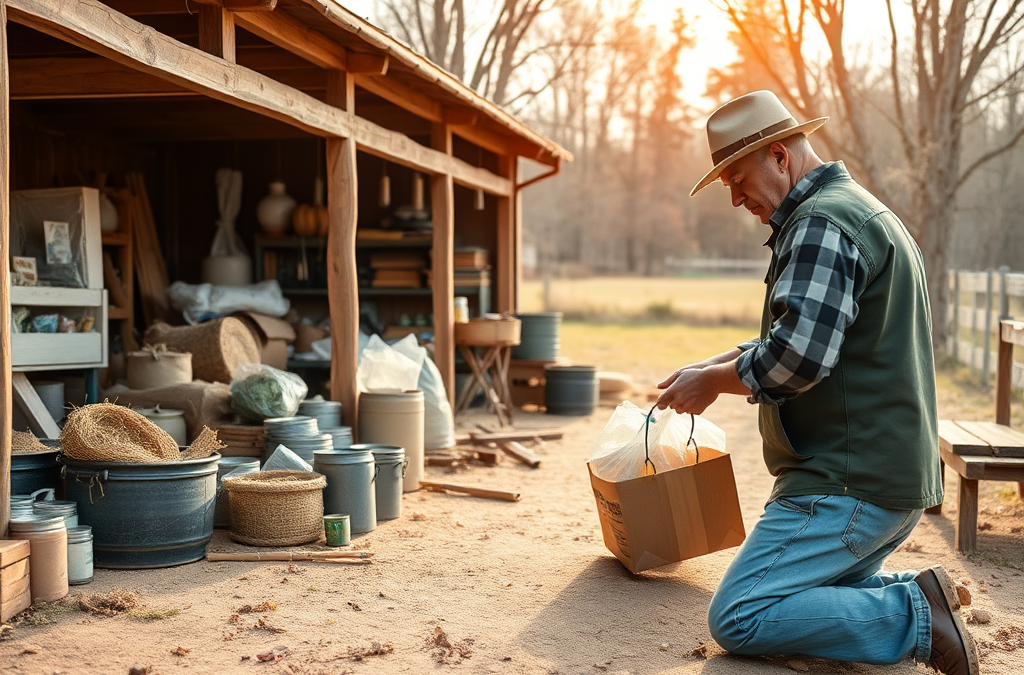
To effectively market your homestead products, start by identifying your target audience and tailoring your approach to their preferences. Utilize local farmers’ markets and online platforms to establish a strong presence, while engaging with customers through social media. Highlight what makes your products unique, such as sustainable practices or local sourcing, to attract attention. A common mistake is neglecting the power of storytelling; sharing your personal journey as a homesteader can create deeper connections with potential customers, fostering loyalty and interest in your offerings.
Understanding Your Target Market
Identifying your target market is crucial for effectively marketing your homestead products. Start by assessing who your ideal customers are, including their demographics, preferences, and purchasing behaviors. For example, families seeking organic produce may differ from individuals looking for homemade crafts. Understanding these nuances allows you to tailor your marketing strategies to meet their specific needs.
Common mistakes include assuming that all potential customers will appreciate the same aspects of your products. Conducting market research, such as surveys or focus groups, can provide insights into what resonates with your audience. This understanding enables you to highlight the features of your products that align with their values, such as sustainability or health benefits.
Building a Strong Brand Identity
A strong brand identity sets your homestead products apart in a crowded marketplace. Begin by defining your brand’s mission and values, which should reflect your personal story and the ethos of your homestead. Use elements like logos, color schemes, and packaging that resonate with your target audience. For instance, earthy tones may appeal to eco-conscious consumers, while vibrant colors might attract younger demographics.
Incorporate storytelling into your branding. Share your journey as a homesteader, including the challenges and successes you’ve faced. This personal touch can create an emotional connection with consumers, making them more likely to support your business. Remember, consistency is key—ensure that your branding is uniform across all platforms, from packaging to social media profiles.
Utilizing Social Media and Online Marketing
Social media platforms are powerful tools for marketing your homestead products. Use platforms like Instagram and Facebook to showcase your products visually. High-quality images of your produce, crafts, or livestock can capture attention and engage potential customers. Regularly post updates about your homestead, including behind-the-scenes looks, new product launches, and seasonal offerings.
Online marketing strategies should also include an optimized website where customers can learn more about your products and make purchases. Implementing SEO techniques can improve your website’s visibility in search engine results, driving more traffic to your site. Consider blogging about your experiences, recipes using your products, or tips for sustainable living to establish authority in your niche.
Engaging with Local Communities
Engagement with local communities is essential for building a loyal customer base. Participate in farmers’ markets, local fairs, and community events to showcase your products. This face-to-face interaction helps build trust and rapport with potential customers. Offer samples of your products to entice people to make a purchase.
Additionally, consider collaborating with local businesses or organizations. Partnering with local restaurants to feature your produce or joining forces with other homesteaders for joint events can expand your reach and enhance your credibility. Building relationships within your community not only helps with sales but also fosters a supportive network.
Frequently Asked Questions
What are the best platforms to market homestead products?
Instagram, Facebook, and personal websites are among the best platforms to showcase and sell homestead products due to their visual nature and wide reach.
How important is branding for homestead products?
Branding is crucial as it helps differentiate your products, establishes trust, and creates emotional connections with consumers.
Should I engage in local events for marketing?
Yes, participating in local events like farmers’ markets and community fairs is essential for building relationships and gaining visibility in your community.
What role does social media play in marketing?
Social media plays a significant role by allowing you to engage directly with customers, showcase products visually, and share your story.
How can I identify my target market?
Identifying your target market involves researching demographics, preferences, and behaviors of potential customers through surveys and market analysis.
Conclusion
Effectively marketing your homestead products involves understanding your target audience, building a strong brand, utilizing social media, and engaging with local communities. By focusing on these key areas, you can create meaningful connections with consumers, drive sales, and grow your homestead business. Prioritize building relationships and sharing your unique story, as these elements will resonate with customers and foster long-term loyalty.