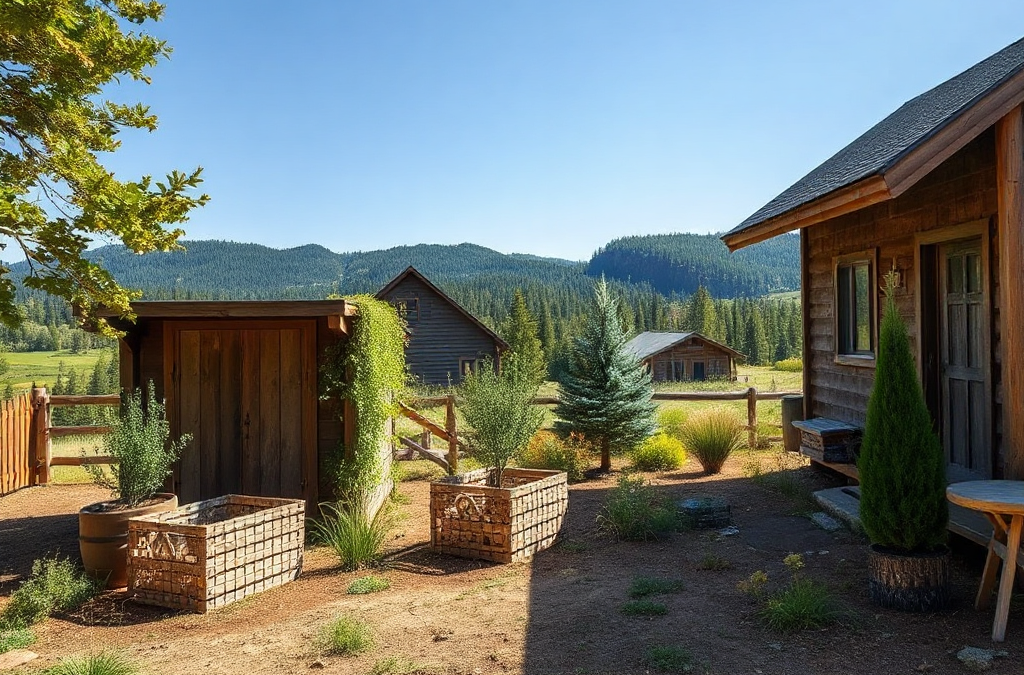
Designing a homestead layout for maximum efficiency involves strategically planning the placement of crops, livestock, and structures to optimize resource use and minimize labor. Key elements include zoning areas for specific activities, utilizing natural contours for water management, and integrating systems like composting and crop rotation. Common mistakes include neglecting the flow of daily tasks and underestimating the space needed for future expansion. Prioritizing these factors can lead to a more productive and sustainable homestead.
Understanding Zoning in Homestead Design
Zoning is a critical aspect of designing a homestead layout for maximum efficiency, as it involves organizing different areas for specific purposes. This method allows for efficient use of space and resources, ensuring that each section serves its intended function without overlap or disruption. For instance, separating areas for gardening, livestock, and living spaces can help streamline daily operations.
When zoning, consider the flow of activities. For example, place livestock pens near the garden to facilitate easy access to manure for fertilization. Additionally, keep water sources within reach of both livestock and crops to minimize the time spent transporting water. A common mistake is neglecting the need for future expansion, which can lead to cramped conditions as your homestead grows.
Maximizing Space with Vertical Gardening
Vertical gardening is an innovative approach that maximizes limited space while enhancing productivity. This method involves growing plants upwards rather than outwards, making it ideal for smaller homesteads or urban environments. By utilizing trellises, wall planters, and hanging pots, you can effectively increase your planting area without requiring additional ground space.
When implementing vertical gardening, choose plants that naturally grow upwards, such as tomatoes, cucumbers, and peas. Ensure that your structures are sturdy enough to support the weight of mature plants and consider their sunlight needs to avoid shading lower plants. A frequent oversight is overestimating the amount of vertical space available; always measure before installing vertical systems.
Integrating Livestock and Crop Areas
Integrating livestock and crop areas can create a symbiotic relationship that enhances overall efficiency on your homestead. For instance, chickens can help control pests in the garden while providing manure that enriches the soil. By rotating livestock through crop areas, you can naturally fertilize the soil and reduce the need for chemical fertilizers.
When designing these integrated systems, consider the timing of planting and livestock grazing. For example, allow crops to establish before introducing animals, and manage grazing to prevent overgrazing. It’s essential to monitor the health of both crops and animals closely, as imbalances can lead to issues such as disease or soil depletion. Many homesteaders overlook the importance of timing in these interactions, leading to reduced yields and increased labor.
Water Management Strategies
Effective water management is essential for a productive homestead. Designing your layout to capture and utilize water efficiently can significantly reduce your workload and increase crop yields. This can involve techniques such as rainwater harvesting, creating swales, or installing drip irrigation systems.
Start by assessing your land’s natural contours to determine the best areas for water collection and drainage. Swales, for example, are trenches that capture water runoff and direct it to where it’s needed most, while also preventing soil erosion. Remember that a common mistake is underestimating the amount of water needed for both crops and livestock, which can lead to drought stress during dry periods. Always plan for water storage and distribution in your design.
Frequently Asked Questions
What are the key components of an efficient homestead layout?
The key components include effective zoning, integration of livestock and crops, water management, and maximizing space through techniques like vertical gardening.
How can I improve water management on my homestead?
Implement rainwater harvesting systems, create swales for runoff management, and consider drip irrigation to optimize water use.
What common mistakes should I avoid when designing my homestead?
Avoid neglecting future expansion needs, underestimating space for livestock, and failing to plan for adequate water supply.
How can vertical gardening benefit a small homestead?
Vertical gardening maximizes limited space, allowing for more plants in smaller areas and reducing the need for extensive ground plots.
What is the best way to integrate livestock into my crop areas?
Rotate livestock through crop areas to naturally fertilize the soil while controlling pests; ensure proper timing to avoid crop damage.
Conclusion
Designing a homestead layout for maximum efficiency requires careful planning of zones, integration of systems, and effective water management. By understanding the relationship between crops and livestock, and utilizing innovative gardening techniques, you can create a productive and sustainable environment. Prioritize future growth and resource management to ensure long-term success in your homesteading endeavors.