
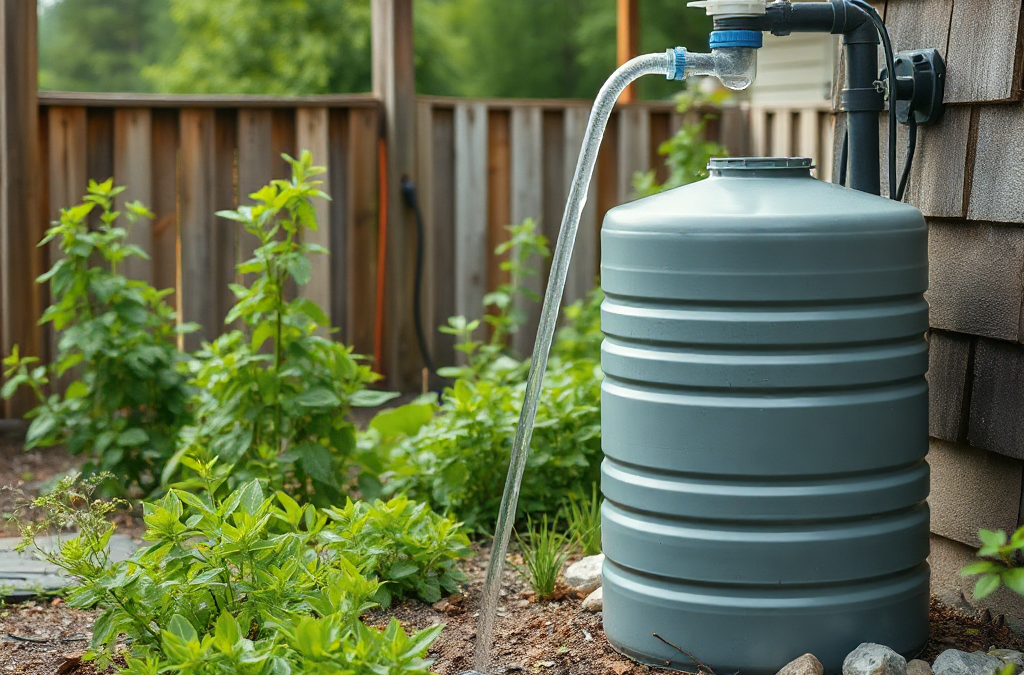
Setting up rainwater harvesting systems for homesteads involves collecting and storing rainwater for later use, which can significantly reduce dependence on municipal water sources. Key steps include selecting appropriate storage tanks, installing gutters and downspouts to direct rainwater, and ensuring proper filtration systems to maintain water quality. It’s important to consider local regulations regarding rainwater collection and to assess your homestead’s specific water needs to optimize the system’s efficiency.
Understanding Rainwater Harvesting
Rainwater harvesting is the practice of collecting and storing rainwater for various uses, such as irrigation, drinking, and other household needs. This method is especially relevant for homesteaders who aim to reduce their reliance on municipal water systems and promote sustainability. By capturing rainwater, homeowners can conserve water, lower utility costs, and help manage stormwater runoff.
Historically, rainwater harvesting has been utilized in various cultures, and its resurgence is driven by increasing water scarcity and environmental awareness. Rainwater is typically cleaner than surface water, making it a viable option for many homesteaders. However, local laws and regulations regarding rainwater collection, as they can vary by region.
Components of a Rainwater Harvesting System
A successful rainwater harvesting system consists of several key components that work together to collect, store, and distribute water effectively. The primary elements include:
- Catchment Area: The surface area from which rainwater is collected, typically the roof of a building.
- Gutters and Downspouts: Systems that channel rainwater from the roof to storage tanks. Proper installation and maintenance are crucial to ensure efficient water flow.
- Storage Tank: A container designed to hold collected rainwater. Tanks can be above-ground or below-ground and come in various materials, including plastic, fiberglass, and concrete.
- Filtration System: Essential for ensuring water quality, filters remove debris and contaminants from the collected rainwater before it enters the storage tank.
- Distribution System: This can include pumps, piping, and irrigation systems that deliver harvested rainwater to where it is needed.
Each component plays a vital role in the overall efficiency and effectiveness of the system, and understanding how they interact is crucial for successful implementation.
Installation Steps for Your System
Setting up a rainwater harvesting system involves several steps that require careful planning and execution. Here is a basic outline of the installation process:
- Assess Your Water Needs: Determine how much water you need for your homestead based on activities such as irrigation, livestock care, and household use.
- Choose a Suitable Location: Select an area for your storage tank that is easily accessible and has a solid foundation. Ensure that it is positioned to maximize water collection from your catchment area.
- Install Gutters and Downspouts: Ensure that your gutters are clean and free from blockages. Install downspouts that lead directly into your storage tank.
- Set Up the Storage Tank: Follow the manufacturer’s instructions for installation. Ensure it is secure and level. If using a below-ground tank, ensure proper excavation and backfill.
- Add Filtration: Install a filtration system to ensure that debris does not enter your storage tank. This may include first-flush diverters that discard the initial water runoff, which may contain contaminants.
- Install the Distribution System: Connect the necessary pumps and piping to distribute the water for your intended uses.
Completing these steps will provide you with a functional rainwater harvesting system tailored to your homestead’s specific needs.

Maintenance and Water Quality Considerations
Maintaining your rainwater harvesting system is crucial to ensure its longevity and efficiency. Regular maintenance tasks include:
- Cleaning Gutters and Filters: Regularly inspect and clean gutters and filters to prevent blockages that can hinder water flow.
- Inspecting the Storage Tank: Check for leaks, cracks, or signs of contamination. Ensure that the tank remains sealed to prevent algae growth and mosquito breeding.
- Testing Water Quality: Conduct water quality tests to ensure that harvested rainwater is safe for intended uses, particularly for drinking. Testing should include checking for bacteria, pH levels, and contaminants.
Implementing these maintenance practices will help you maintain a reliable and safe rainwater harvesting system while maximizing water quality.
For those looking to deepen their understanding of rainwater harvesting systems, consider exploring resources from local agricultural extensions, environmental organizations, and government websites that provide guidelines and best practices for sustainable water management.


