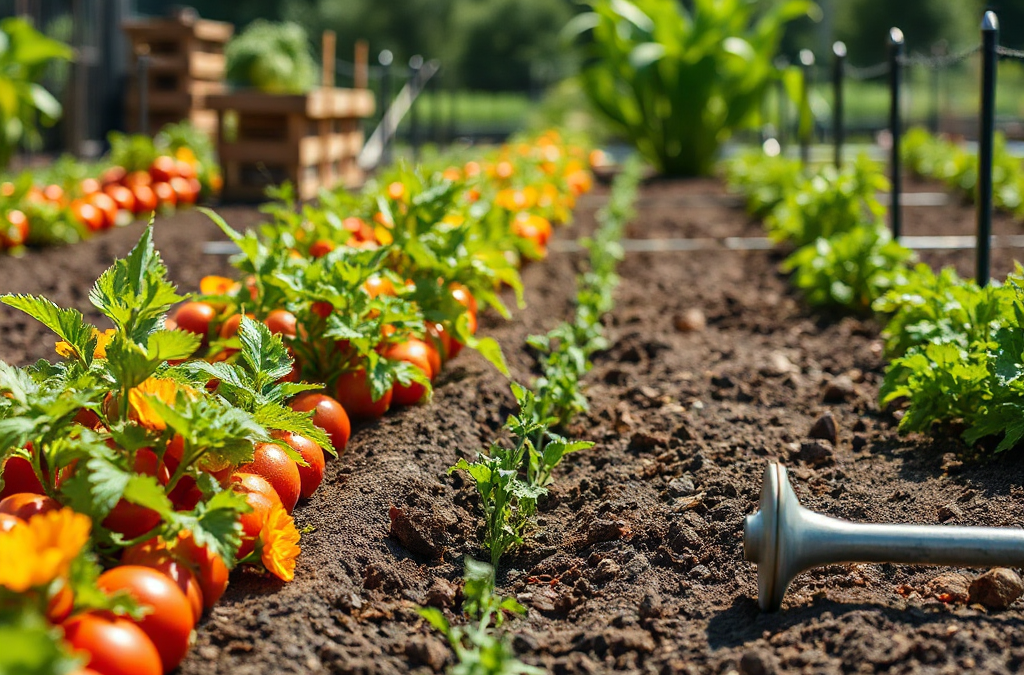
Choosing the right crops for your local climate involves understanding your area’s temperature, rainfall, and soil conditions to select appropriate varieties. Start by researching local growing zones and seasonal weather patterns, and consider crops that thrive in your specific conditions, such as drought-resistant varieties for arid climates or cool-season crops for cooler regions. Avoid common mistakes like planting without considering frost dates or soil type, as these can lead to poor yields and crop failure.
Understanding Local Climate Conditions
Understanding your local climate is crucial for choosing the right crops. Each region has its unique climate characteristics, including temperature ranges, rainfall patterns, and seasonal variations. These factors influence which crops can thrive in your area. For instance, areas with long, hot summers may be suitable for crops like tomatoes and peppers, while cooler regions might favor leafy greens and root vegetables.
To assess your climate, refer to the USDA Plant Hardiness Zone Map, which categorizes regions based on their minimum winter temperatures. Additionally, consider rainfall patterns—understanding whether your area is prone to drought or heavy rainfall can guide your crop selection. Drought-resistant crops like sorghum or millet can be beneficial in arid regions, while moisture-loving crops like rice may suit wetter climates.
Selecting Crop Varieties
Once you understand your local climate, the next step is selecting the right crop varieties. Look for varieties that are specifically bred for your climate conditions. For example, if you live in a region with a short growing season, opt for fast-maturing varieties that can be harvested before the first frost. Many seed catalogs provide information about the suitability of specific varieties for different climates.
Consider also the microclimates within your property. Areas that receive more sunlight or are sheltered from wind may allow for a wider range of crops. Experimenting with different varieties can help you identify which ones perform best in your unique conditions. Additionally, native crops or those that have adapted to your local environment often require less maintenance and are more resilient to pests and diseases.
Soil Preparation and Management
Soil health is a critical aspect of successful crop production. Before planting, conduct a soil test to determine pH levels and nutrient content. This information will help you amend your soil appropriately, ensuring it meets the requirements of your chosen crops. For example, many vegetables thrive in slightly acidic soil (pH 6.0 to 6.8), while others, like asparagus, prefer a more alkaline environment.
In addition to pH, consider soil texture and drainage. Sandy soils drain quickly and may require more frequent watering, while clay soils retain moisture but can lead to root rot if not managed properly. Implementing practices such as crop rotation, cover cropping, and organic amendments can enhance soil structure and fertility, ultimately supporting healthier crops.
Common Mistakes to Avoid
When choosing crops for your local climate, it’s important to avoid common pitfalls that can hinder your success. One major mistake is neglecting to consider the last frost date in spring and the first frost date in fall. Planting too early or too late can result in crop failure. Ensure you have a clear understanding of your growing season length.
Another frequent error is not accounting for the specific needs of the crops you select. Each crop has its own requirements for sunlight, water, and nutrients. Failing to meet these needs can lead to poor growth and yields. Lastly, avoid planting the same crops in the same spot year after year, as this can deplete soil nutrients and increase pest problems. Implementing crop rotation can mitigate these issues and promote a healthier garden ecosystem.

Frequently Asked Questions
What are the best crops for a hot climate?
In hot climates, consider drought-resistant crops such as tomatoes, peppers, and eggplants, which thrive in high temperatures.
How can I improve my soil for better crop yield?
Improving soil can be achieved through organic amendments like compost, practicing crop rotation, and conducting regular soil tests to monitor nutrient levels.
What should I avoid when planting crops?
Avoid planting crops that are not suited to your climate and neglecting to consider frost dates, which can lead to crop loss.
When is the best time to plant crops?
Plant crops after the last frost date in spring and ensure that they have enough time to mature before the first frost in fall.
Can I grow crops in poor soil?
While challenging, you can grow crops in poor soil by amending it with organic matter and selecting hardy varieties that require less nutrient-rich soil.