
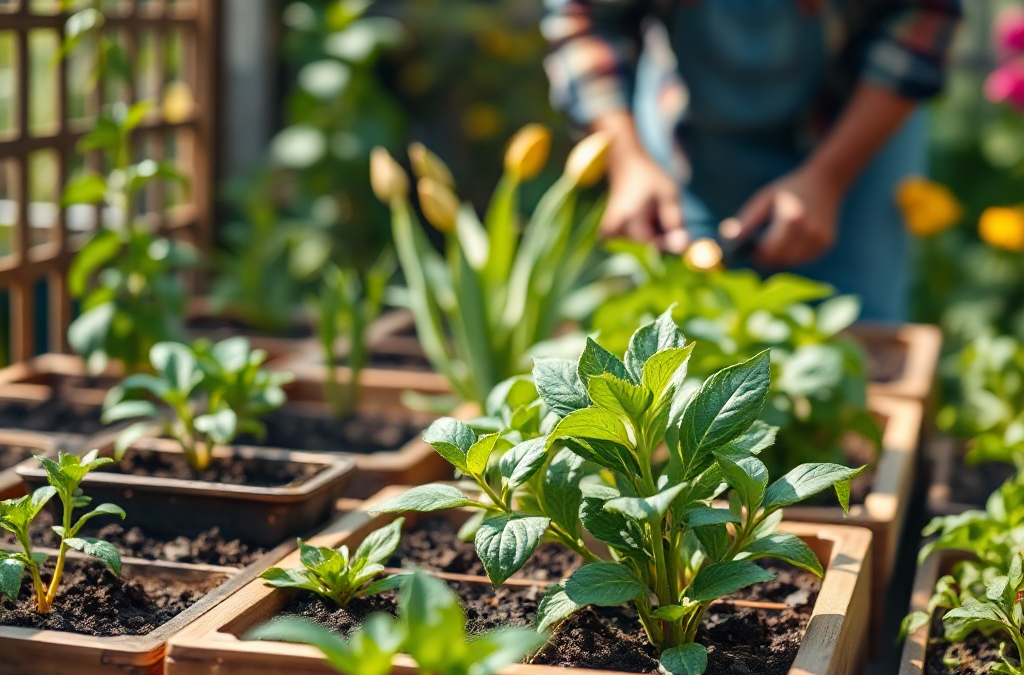
Creating a seasonal planting calendar for your garden involves determining the optimal planting times for various crops based on local climate conditions and frost dates. Start by researching your hardiness zone to understand the growing season length, then align your planting dates with the specific requirements of each plant. This planning helps maximize yield and avoid common pitfalls like frost damage or overcrowding, ensuring a thriving garden.
Understanding Your Growing Zone
Understanding your growing zone is crucial for creating a seasonal planting calendar for your garden. Each zone represents specific climate conditions, including temperature ranges and frost dates, which directly influence what and when you can plant. The USDA Plant Hardiness Zone Map is a widely used resource that divides regions into zones based on their average annual minimum temperature. By identifying your zone, you can select plants that are best suited to thrive in your local climate.
For instance, if you live in Zone 5, you might have a growing season from late April to early October, which informs your planting schedule. A common mistake is assuming that all plants can grow in any zone without considering their specific needs. Understanding your zone helps avoid frost damage and ensures that you plant crops at the right time.
Researching Planting Dates
Once you understand your growing zone, the next step is researching the specific planting dates for the crops you wish to grow. Different plants have unique requirements regarding soil temperature, moisture, and light, which dictate when they should be sown. For example, cool-season crops like peas and lettuce can be planted early in the spring, while warm-season crops like tomatoes and peppers require warmer soil and should be planted after the last frost date.
To effectively research planting dates, consult seed packets and gardening resources that provide information on when to sow seeds indoors or directly into the garden. A common pitfall is planting too early or too late, which can lead to poor germination or reduced yields. Keeping track of local frost dates and using resources like local agricultural extension services can help you refine your planting schedule.
Creating Your Calendar
With your growing zone and planting dates in hand, it’s time to create your seasonal planting calendar. Start by drafting a simple calendar that outlines when to start seeds indoors, transplant seedlings, and sow seeds directly into the garden. Consider grouping plants by their growing requirements, such as similar light and water needs, to streamline your gardening efforts.
It’s beneficial to include notes about crop rotation and companion planting in your calendar, as these practices enhance soil health and pest management. Additionally, leave space for observations about what worked well in previous seasons and what didn’t. This reflective practice can help you improve your gardening strategy over time.
Monitoring and Adjusting
Creating a seasonal planting calendar is not a one-time task; it requires monitoring and adjusting as needed. Weather conditions can vary significantly from year to year, impacting your planting schedule. Keeping a gardening journal can be an invaluable tool for noting weather patterns, pest issues, and overall plant performance.
Adjust your calendar based on these observations to optimize your planting schedule for future seasons. For example, if you notice that your region experiences a late frost, you may choose to delay your planting dates for sensitive crops. Flexibility and adaptability are key to successful gardening, as they allow you to respond to the unique challenges each growing season presents.
Understanding local climate and seasonal variations is vital for effective gardening. For more detailed information on creating a seasonal planting calendar for your garden, consider exploring resources from local agricultural extensions or gardening organizations.

Frequently Asked Questions
What is a seasonal planting calendar?
A seasonal planting calendar is a schedule that outlines the best times to plant different crops based on local climate conditions and frost dates.
How do I determine my planting zone?
You can determine your planting zone by using the USDA Plant Hardiness Zone Map, which provides information based on your geographic location and average annual minimum temperatures.
What crops can I plant in early spring?
In early spring, you can plant cool-season crops such as lettuce, peas, and radishes, which can tolerate cooler soil temperatures.
Why is it important to monitor my planting calendar?
Monitoring your planting calendar allows you to adjust for weather changes, ensuring that you plant at the optimal times for the best crop yield.
Can I plant different crops together?
Yes, companion planting is a beneficial practice where certain crops are planted together to enhance growth, deter pests, and improve soil health.

