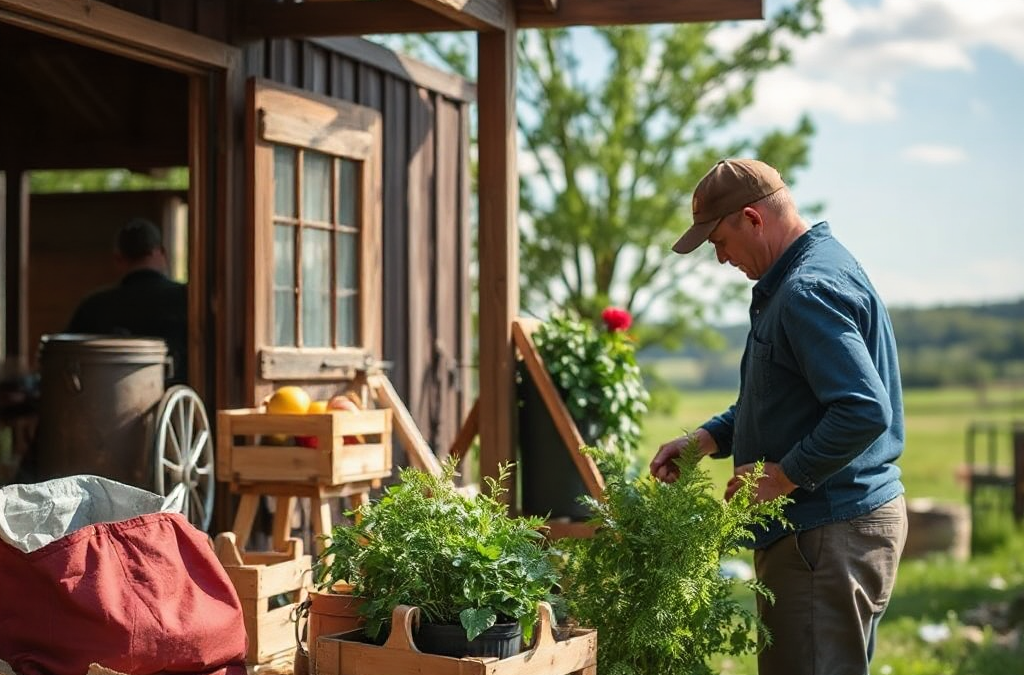
To minimize waste on your homestead, focus on composting, rainwater harvesting, and efficient meal planning. Composting kitchen scraps and yard waste transforms organic materials into nutrient-rich soil, reducing landfill contributions while enriching your garden. Implementing a rainwater harvesting system allows you to collect and store rainwater for irrigation, conserving valuable water resources. Additionally, planning meals carefully can help reduce food waste, ensuring that you use all ingredients effectively. By adopting these practices, you can create a more sustainable and productive homestead.
Composting: Transforming Waste into Nutrient-Rich Soil
Composting is a highly effective method for minimizing waste on your homestead by converting organic materials into valuable compost. This practice not only reduces the amount of waste sent to landfills but also enriches the soil with essential nutrients, promoting healthier plant growth. To start composting, gather kitchen scraps like vegetable peels, coffee grounds, and eggshells, along with yard waste such as leaves and grass clippings. Layer these materials in a compost bin, ensuring a balance of greens and browns to facilitate decomposition.
The composting process requires regular turning to aerate the pile and speed up decomposition. This activity also helps prevent odors and pests. A common mistake is adding too much of one type of material, which can lead to a slow composting process or unpleasant smells. Aim for a mixture of carbon-rich (browns) and nitrogen-rich (greens) materials to achieve the best results.
After several months, the compost will break down into dark, crumbly soil that can be used to enrich garden beds and potted plants. This not only minimizes waste but also enhances the sustainability of your gardening efforts by recycling nutrients back into the ecosystem.
Rainwater Harvesting: Conserving Water Resources
Implementing a rainwater harvesting system is a practical way to minimize waste and conserve water on your homestead. By collecting rainwater from rooftops and directing it into storage tanks or barrels, you can significantly reduce your reliance on municipal water sources and lower your water bills. Rainwater is perfect for watering gardens, filling livestock troughs, and even household cleaning.
A well-designed rainwater harvesting system involves installing gutters and downspouts that channel rainwater into storage containers. It’s essential to use food-grade barrels to ensure water quality and to include a first-flush diverter, which helps to filter out debris and contaminants from the initial rainfall. One common misconception is that rainwater harvesting is only feasible in areas with heavy rainfall; however, even regions with minimal rainfall can benefit from this practice by maximizing the use of available resources.
Regular maintenance, such as cleaning gutters and checking for leaks, ensures the efficiency of your system. By utilizing rainwater, you not only minimize water waste but also promote a sustainable approach to water management on your homestead.
Efficient Meal Planning: Reducing Food Waste
Efficient meal planning is a vital strategy for minimizing waste on your homestead, particularly in terms of food consumption. By planning meals ahead of time, you can avoid over-purchasing groceries and reduce the likelihood of food spoilage. Start by creating a weekly meal plan that incorporates ingredients you already have on hand, ensuring that nothing goes to waste.
One effective method is to prepare a shopping list based on your meal plan, focusing on seasonal and local produce to minimize transportation waste. Additionally, consider batch cooking and freezing meals for later use, which can help maintain food quality and reduce preparation time. A common pitfall is purchasing items that are not part of your plan, leading to excess food that may go uneaten.
Utilizing leftovers creatively can also contribute to waste reduction. For example, repurpose leftover vegetables into soups or stir-fries, and use stale bread for croutons or breadcrumbs. By adopting these practices, you can significantly decrease food waste and enhance the overall sustainability of your homestead.
Reusing Household Items: Creative Solutions
Reusing household items is an innovative approach to minimizing waste on your homestead. Instead of discarding items that have outlived their original purpose, consider how they can be repurposed for new uses. For instance, glass jars can be transformed into storage containers for dry goods, while old clothing can be turned into cleaning rags or compostable materials.
Another effective strategy is to create a dedicated area for storing reusable items. This encourages creativity and resourcefulness, allowing you to easily access materials for DIY projects or repairs. A common misconception is that these repurposed items will not be as effective as new products; however, many household items can be adapted for multiple uses, saving money and reducing waste.

Engaging in community swap events or local buy-nothing groups can also foster a culture of reuse, where items are exchanged rather than thrown away. By embracing a mindset of creativity and resourcefulness, you can significantly decrease waste and contribute to a more sustainable homestead.
Frequently Asked Questions
What are the benefits of composting on a homestead?
Composting enriches soil, reduces landfill waste, and recycles nutrients back into the ecosystem, promoting healthier plants.
How can I start rainwater harvesting?
Begin by installing gutters and downspouts to collect rainwater in barrels, ensuring proper filtration and storage for use.
What meal planning tips help reduce food waste?
Create a weekly meal plan, use a shopping list, and repurpose leftovers creatively to minimize waste and save money.
How can I creatively reuse household items?
Repurpose items like glass jars for storage or old clothes as cleaning rags to reduce waste and save resources.
What common mistakes should I avoid when minimizing waste?
Avoid over-purchasing items, neglecting compost maintenance, and underestimating the potential of reusing household goods.
Conclusion
Minimizing waste on your homestead is an achievable goal that enhances sustainability and promotes efficient living. By implementing practices such as composting, rainwater harvesting, efficient meal planning, and reusing household items, you can significantly reduce waste while improving the productivity of your land. Prioritize these techniques in your daily routine and engage your family in these practices to foster a culture of sustainability. Embracing these methods not only benefits your homestead but also contributes positively to the environment.