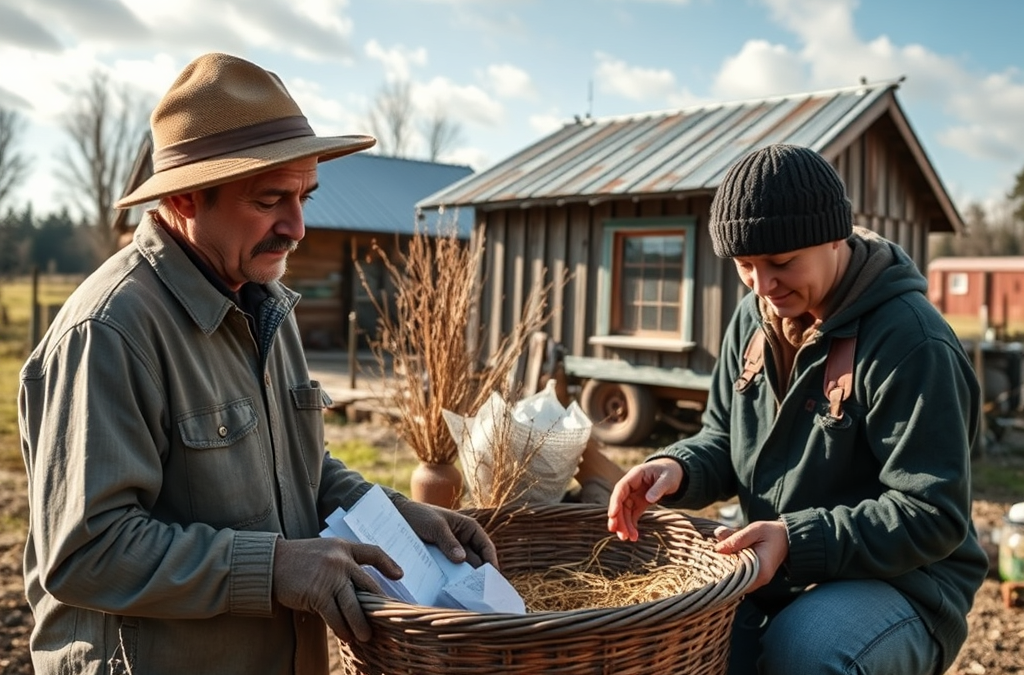
Adapting your homestead for changing climates requires a proactive approach that includes water conservation, soil management, and crop diversification. Implementing techniques like rainwater harvesting and drip irrigation can help conserve water during droughts, while selecting resilient crops can ensure productivity amidst unpredictable weather patterns. A common pitfall is failing to monitor local climate trends, which can lead to inadequate preparation and crop failures. By staying informed and adjusting practices accordingly, homesteaders can effectively mitigate the risks associated with climate change and maintain a sustainable operation.
Understanding Climate Change Impacts on Homesteading
Climate change significantly affects weather patterns, leading to unpredictable rainfall, increased temperatures, and extreme weather events. These changes directly impact agricultural practices, making it essential for homesteaders to adapt. Understanding the specific climate trends in your region is crucial for developing effective strategies to maintain productivity and sustainability.
For instance, areas that traditionally experienced consistent rainfall may face droughts, while others may see increased flooding. Recognizing these shifts allows homesteaders to make informed decisions about resource allocation, crop selection, and infrastructure investments. A common mistake is underestimating the speed at which climate change can alter local conditions, which can lead to inadequate preparation and potential crop failures.
Homesteaders should prioritize monitoring local climate data and engaging with community resources, such as extension services, to stay informed. This proactive approach enables the implementation of adaptive practices tailored to specific environmental challenges, ensuring long-term viability.
Water Conservation Techniques for Resilience
Water conservation is a critical component of adapting your homestead for changing climates. As drought conditions become more prevalent, efficient water management practices can sustain crops and livestock. Techniques such as rainwater harvesting, drip irrigation, and the use of greywater can significantly reduce water consumption.
For example, installing rain barrels to collect runoff from roofs can provide a supplementary water source for gardens and livestock during dry spells. Additionally, drip irrigation systems deliver water directly to plant roots, minimizing evaporation and runoff. A common misconception is that water conservation measures are too costly or complex; however, many systems can be implemented gradually and offer long-term savings on water bills.
Homesteaders should evaluate their current water usage and consider simple upgrades to enhance efficiency. Regularly checking for leaks and optimizing irrigation schedules can also contribute to significant water savings. By prioritizing water conservation, homesteaders can build resilience against the impacts of climate change.
Soil Management Strategies for Diverse Conditions
Healthy soil is fundamental for productive homesteading, particularly as climate conditions shift. Implementing soil management strategies helps maintain fertility, structure, and moisture retention, which are essential for crop resilience. Techniques such as cover cropping, composting, and mulching can substantially improve soil health.
For instance, planting cover crops during the off-season can prevent erosion, enhance nutrient cycling, and improve soil structure. Composting organic waste enriches the soil with vital nutrients, while mulching helps retain moisture and regulate temperature. A frequent mistake is neglecting soil health in favor of short-term gains, such as excessive chemical fertilizers, which can degrade soil quality over time.
Regular soil testing can inform homesteaders about nutrient deficiencies and pH levels, guiding appropriate amendments. By prioritizing soil health, homesteaders can create a more resilient ecosystem that supports sustainable food production, even in the face of climate challenges.
Crop Diversification and Resilient Planting
Crop diversification is an effective strategy for adapting your homestead to changing climates. By growing a variety of crops, homesteaders can reduce the risk of total crop failure due to pests, diseases, or adverse weather conditions. This approach not only enhances food security but also improves soil health and biodiversity.
For example, integrating perennial plants alongside annual crops can provide a more stable yield throughout the year. Additionally, selecting drought-resistant and heat-tolerant varieties can mitigate the impacts of extreme weather. A common error is to rely heavily on a single crop, which can leave homesteaders vulnerable to market fluctuations and climatic shifts.

Homesteaders should research and experiment with different crop combinations and planting schedules to identify the most resilient options for their specific climate conditions. Engaging with local agricultural networks can provide valuable insights and support for implementing successful diversification strategies.
Frequently Asked Questions
What are the main impacts of climate change on homesteading?
Climate change leads to unpredictable weather patterns, increased temperatures, and extreme weather, affecting crop yields and livestock health.
How can I conserve water on my homestead?
Implement rainwater harvesting, drip irrigation, and greywater recycling to efficiently manage water resources and reduce consumption.
What soil management practices should I adopt?
Utilize cover cropping, composting, and mulching to enhance soil health, prevent erosion, and improve moisture retention.
Why is crop diversification important?
Diversifying crops reduces the risk of total failure due to pests or weather conditions, enhancing food security and ecosystem resilience.
How can I stay informed about local climate changes?
Engage with local extension services, agricultural networks, and climate monitoring organizations to stay updated on relevant climate data and resources.
Conclusion
Adapting your homestead for changing climates requires a multifaceted approach focusing on water conservation, soil management, and crop diversification. By implementing these strategies, homesteaders can enhance resilience against the challenges posed by climate change. Prioritizing sustainable practices not only safeguards productivity but also contributes to long-term environmental health. Taking proactive steps now will better prepare your homestead for future climatic shifts.