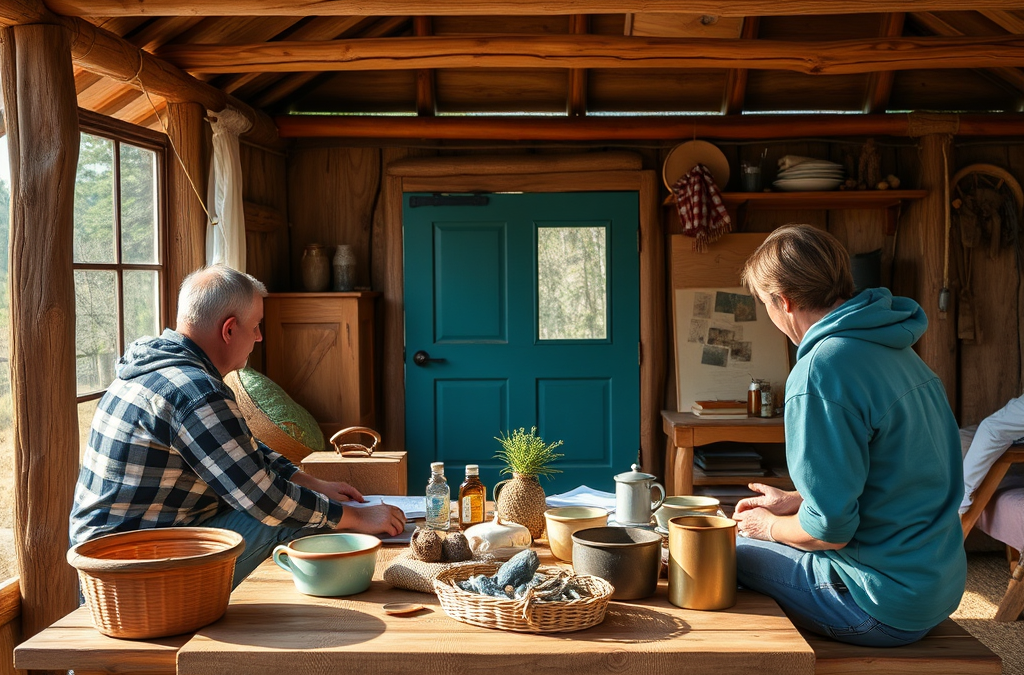
Starting a homestead involves various costs that can quickly accumulate, including land acquisition, construction expenses, and livestock purchases. It’s essential to create a detailed budget that considers both initial investments and ongoing expenses like feed, utilities, and maintenance. A practical approach is to prioritize essential needs and implement your homestead in phases, which can help manage financial strain. Additionally, researching local land prices and understanding the specific requirements of livestock can prevent unexpected costs and enhance your homesteading experience.
Understanding Initial Costs
Starting a homestead requires a significant initial investment, encompassing various costs that can add up quickly. The primary expenses include purchasing land, constructing or renovating buildings, and acquiring essential equipment. Land prices vary widely depending on location, size, and zoning regulations. For instance, rural areas often offer more affordable options, while properties closer to urban centers can be significantly more expensive.
Building costs involve permits, materials, and labor. A simple cabin may cost less than a fully equipped house, but it’s essential to consider long-term needs. Additionally, budgeting for utilities such as water, electricity, and waste management is crucial, as these costs can be substantial, especially for off-grid setups.
Another significant initial cost is livestock, which requires upfront purchases along with ongoing care expenses. Researching breeds and their specific needs can help in making informed decisions that align with your budget.
Ongoing Operational Expenses
Once the initial setup is complete, ongoing operational costs are a critical aspect of homesteading that cannot be overlooked. These expenses include feed, veterinary care for animals, maintenance of buildings and equipment, and utilities. Depending on the size of your homestead and the number of animals, these costs can fluctuate significantly.
For instance, if you raise chickens for eggs, you’ll need to regularly budget for feed, bedding, and health care. Additionally, maintaining crops will require purchasing seeds, fertilizers, and pest control measures. Understanding the seasonal nature of these expenses helps in planning effectively.
Moreover, tools and equipment maintenance is vital for ensuring that your homestead operates smoothly. Regularly servicing machinery and replacing worn-out tools can prevent costly breakdowns and delays in productivity.
Budgeting Techniques for Homesteaders
Effective budgeting is key to navigating the costs of starting and maintaining a homestead. Begin by creating a detailed budget that includes both fixed and variable expenses. Fixed costs may include mortgage or rent, while variable costs encompass food, tools, and maintenance supplies.
Consider using a zero-based budgeting approach, where every dollar is assigned a purpose, ensuring that funds are allocated appropriately. This method allows you to track spending closely and adjust as needed. Additionally, setting up an emergency fund can provide a financial cushion for unexpected expenses, which are common in homesteading.
Another technique is to prioritize purchases based on necessity and seasonality. For example, purchasing seeds and soil amendments in early spring can reduce costs compared to last-minute buys. Keeping a detailed record of all expenses will also help in identifying patterns and opportunities for reducing costs over time.
Common Mistakes to Avoid
Many new homesteaders fall into common traps that can lead to financial strain. One frequent mistake is underestimating the costs associated with land and building. It’s crucial to conduct thorough research and obtain multiple estimates to avoid budget shortfalls.
Another pitfall is neglecting to account for ongoing expenses, leading to financial surprises down the line. Establishing a comprehensive budget that includes both initial and operational costs will help mitigate this risk.

Additionally, impulsive purchasing decisions can lead to overspending. It’s essential to prioritize needs over wants and to seek out used equipment or materials whenever possible. Networking with other homesteaders can also provide valuable insights and opportunities for cost-sharing.
Frequently Asked Questions
What are the most significant costs associated with starting a homestead?
The most significant costs include purchasing land, construction expenses, livestock, and necessary tools and equipment.
How can I effectively budget for ongoing homesteading expenses?
Create a detailed budget that includes both fixed and variable costs, and consider using a zero-based budgeting method.
What common mistakes should I avoid when starting a homestead?
Avoid underestimating initial costs, neglecting ongoing expenses, and making impulsive purchasing decisions.
Is it better to buy new or used equipment for homesteading?
Used equipment can save money, but ensure it’s in good working condition and meets your needs before purchasing.
How can I reduce costs while starting a homestead?
Consider prioritizing essential expenses, networking with other homesteaders, and utilizing local resources to find cost-effective solutions.
Conclusion
Successfully navigating the costs of starting a homestead involves thorough planning and careful budgeting. By understanding both initial and ongoing expenses, you can create a realistic financial plan that supports your goals. Avoiding common pitfalls and making informed purchasing decisions will further enhance your financial stability. As you embark on your homesteading journey, prioritize essential needs and explore creative solutions to reduce costs effectively.