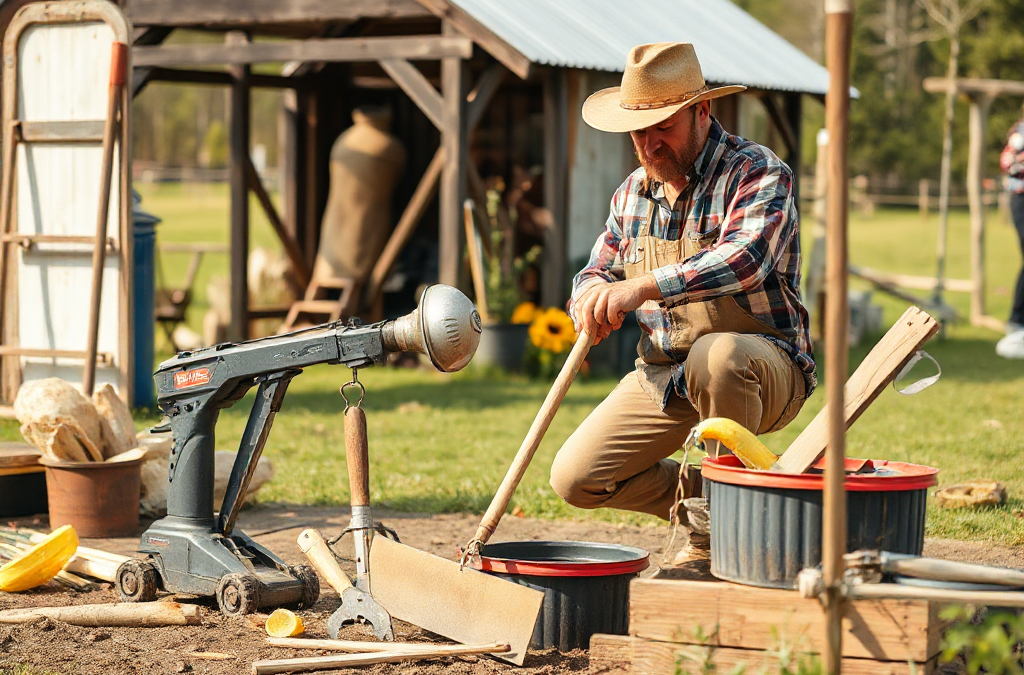
Essential tools for efficient homestead management encompass a variety of equipment, including a dependable tractor, versatile hand tools, and a robust irrigation system. These tools not only streamline daily operations but also enhance productivity and sustainability on your homestead. A common mistake is neglecting the importance of quality tools; investing in durable equipment can significantly reduce labor strain and improve efficiency. For instance, a well-chosen tractor can handle multiple tasks, from tilling to harvesting, saving you time and effort. Prioritizing multifunctional tools can also optimize your workspace and budget, making them invaluable for effective homestead management.
Understanding Essential Tools
Essential tools for efficient homestead management are vital for maximizing productivity and minimizing labor. These tools not only facilitate everyday tasks but also enhance the overall sustainability of your homestead. The right selection of tools can lead to better crop yields, healthier livestock, and more efficient use of resources. Moreover, understanding the purpose and function of each tool is crucial for effective management and operation.
One common mistake homesteaders make is underestimating the importance of investing in quality tools. Low-quality tools can lead to inefficiencies and increased physical strain, ultimately affecting productivity. For example, a sturdy shovel designed for heavy-duty use will outperform a flimsy one, reducing the effort needed for digging and planting.
Key Equipment for Crop Management
A reliable tractor is often the centerpiece of crop management on a homestead. It can perform a variety of tasks, such as tilling, planting, and harvesting, significantly reducing the time and effort needed compared to manual labor. When selecting a tractor, consider its horsepower, size, and the attachments available to ensure it meets your specific needs.
In addition to tractors, essential tools like hand tools, including shovels, hoes, and rakes, are indispensable for smaller tasks. These tools are often more versatile and allow for precision work in gardens and smaller plots. A common misconception is that power equipment alone suffices; however, many intricate tasks require the finesse that only hand tools can provide.
Another important aspect of crop management is irrigation. A quality irrigation system, whether drip or sprinkler, ensures that your crops receive adequate water without wastage. Efficient irrigation not only conserves water but also promotes healthier plants by delivering moisture directly to the roots.
Tools for Livestock Care
Efficient livestock management requires specific tools tailored to the needs of the animals on your homestead. Feeders, water troughs, and shelters are essential for providing a comfortable environment for your livestock. Additionally, grooming tools such as brushes and hoof picks are necessary for maintaining animal health and hygiene.
One often overlooked tool is the livestock handling equipment, which includes gates, chutes, and pens. These tools facilitate safe handling during feeding, veterinary care, and transportation. Without proper handling equipment, managing livestock can become chaotic and stressful for both the animals and the caretaker.
Moreover, investing in a reliable fencing system is crucial to keep your livestock safe and contained. High-quality fencing prevents escapes and protects against predators, ensuring the well-being of your animals.
Maintenance and Repair Tools
Maintenance and repair tools are essential for keeping all your equipment in good working order. A well-stocked toolbox should include wrenches, screwdrivers, pliers, and a hammer, allowing you to perform routine maintenance on your tools and machinery easily. Regular maintenance not only prolongs the life of your equipment but also prevents costly repairs down the line.
Another critical aspect of maintenance is having the right safety equipment. Personal protective equipment (PPE) such as gloves, goggles, and masks ensures that you remain safe while working with tools and machinery. Many accidents can be avoided with proper safety measures in place.
All in all, understanding when to repair versus replace tools is vital. While some minor repairs can extend the life of your equipment, certain tools may need replacement due to wear and tear. Investing in high-quality tools initially can lead to long-term savings and efficiency.

For those interested in exploring more about essential tools for efficient homestead management, consider checking local agricultural extension offices or homesteading workshops. These resources often provide hands-on training and advice tailored to your specific homesteading needs.
Frequently Asked Questions
What are the most essential tools for a homesteader?
The most essential tools include a reliable tractor, hand tools like shovels and hoes, and an effective irrigation system.
How do I choose the right tractor for my homestead?
Consider the size of your land, the tasks you need to perform, and the horsepower required for those tasks.
What hand tools should every homesteader have?
Essential hand tools include shovels, hoes, rakes, and pruning shears for various gardening tasks.
Why is irrigation important in homesteading?
Irrigation ensures crops receive adequate water, promotes healthy growth, and conserves water resources.
What maintenance tools should I keep on hand?
A basic toolbox with wrenches, screwdrivers, pliers, and safety equipment is essential for maintaining your tools and machinery.
Conclusion
Efficient homestead management hinges on the right tools and equipment. By investing in quality tools like tractors, hand tools, and irrigation systems, you can streamline operations and enhance productivity. Additionally, proper maintenance of your tools ensures they last longer and perform better. Prioritize your tool selection based on your specific needs, and regularly assess their condition to make informed decisions about repairs or replacements. With the right approach, managing your homestead can become a more rewarding and efficient endeavor.