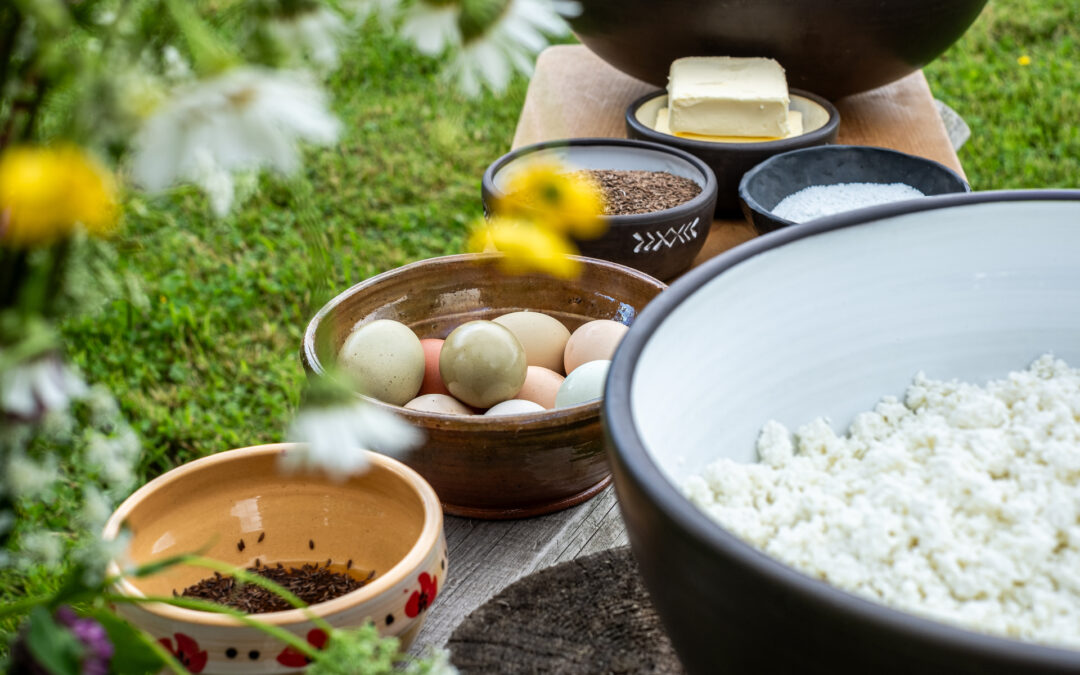
Market gardening for lifestyle support is a practical approach to growing food that enhances self-sufficiency and nutrition. By cultivating a diverse range of seasonal crops, individuals can create a sustainable food source that minimizes dependence on commercial produce. Engaging in this practice not only provides access to fresher, more nutritious options but also encourages physical activity, which can improve mental well-being. To succeed, it’s essential to understand the specific needs of various plants, including soil health and pest management, to avoid common gardening challenges. Embracing techniques like crop rotation and companion planting can further enhance productivity and create a thriving garden ecosystem.
Understanding Market Gardening
Market gardening refers to the practice of growing a variety of crops on a small scale, typically for local sale or personal consumption. This method emphasizes intensive cultivation methods to maximize yield in a limited space, making it ideal for individuals or families seeking to support their lifestyle with fresh produce. Understanding the specific needs of different vegetables, herbs, and fruits is crucial for ensuring a productive garden.
The practice not only provides access to fresh, organic food but also fosters a deep connection with nature. By learning about crop rotation, companion planting, and soil health, gardeners can create a thriving ecosystem that benefits both their health and the environment. This knowledge is essential for anyone looking to pursue market gardening as a lifestyle choice.
Benefits of Market Gardening
Engaging in market gardening offers numerous benefits that extend beyond just food production. One of the primary advantages is the enhancement of self-sufficiency. By growing your own food, you significantly reduce your dependence on grocery stores, which can be particularly beneficial during times of supply chain disruptions. Furthermore, homegrown produce is often fresher and more nutritious than store-bought options.
Additionally, market gardening promotes physical activity, encouraging gardeners to spend more time outdoors and engage in exercise through planting, weeding, and harvesting. This can lead to improved mental health and overall well-being. The financial aspect should not be overlooked either; cultivating your own vegetables can lead to substantial savings over time, especially if you focus on high-yield crops.
Essential Steps for Successful Gardening
To embark on a successful market gardening journey, certain steps are vital. First, selecting the right location is crucial; ensure the area receives adequate sunlight, has good drainage, and is accessible for maintenance. Next, preparing the soil by testing its pH and nutrient levels will determine what amendments are needed to support healthy plant growth.
Once the soil is ready, planning your crop layout based on companion planting principles can enhance productivity. Additionally, establishing a watering schedule and utilizing organic pest control methods will minimize potential issues. In closing, regularly assessing plant health and adjusting care practices will help maintain a thriving garden throughout the growing season.
Common Challenges and Solutions
Market gardening, while rewarding, comes with its own set of challenges. One common issue is pest management; without the use of chemical pesticides, gardeners must rely on natural methods such as introducing beneficial insects or using organic repellents. Another challenge is soil fertility, which can diminish over time if not managed properly. Regularly adding organic matter, such as compost, can help mitigate this problem.
Weather conditions also pose a significant challenge, as extreme temperatures and unpredictable rainfall can affect crop yields. Implementing protective measures, such as row covers or shade cloth, can safeguard plants from harsh conditions. By staying informed about best practices and being adaptable, market gardeners can effectively navigate these challenges.
Frequently Asked Questions
What is market gardening?
Market gardening is the practice of growing vegetables, fruits, and herbs on a small scale, usually for local sale or personal consumption, emphasizing intensive cultivation techniques.
How can I start a market garden?
Begin by selecting a suitable location, preparing the soil, planning your crops, and establishing a watering and maintenance routine to ensure healthy growth.
What are the benefits of market gardening?
Benefits include enhanced self-sufficiency, access to fresh produce, physical activity, and potential cost savings on grocery bills.
What challenges might I face in market gardening?
Common challenges include pest management, soil fertility, and adverse weather conditions, all of which require proactive strategies to overcome.
How do I manage pests organically?
Organic pest management can involve introducing beneficial insects, using organic repellents, and practicing crop rotation to disrupt pest cycles.
Conclusion
Market gardening for lifestyle support is a fulfilling way to enhance self-sufficiency while enjoying the benefits of fresh, nutritious food. By understanding the essential steps for successful gardening and proactively addressing common challenges, individuals can cultivate a productive and rewarding garden. Prioritize learning about soil health, pest management, and crop planning to maximize your gardening success. With dedication and effort, market gardening can significantly improve your lifestyle and well-being.