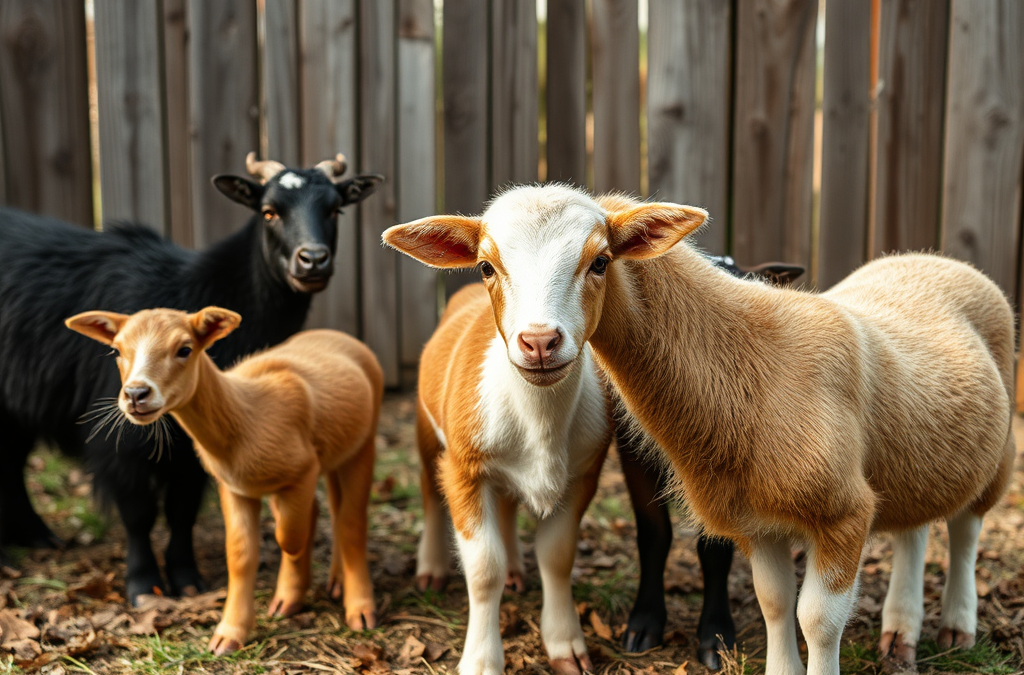
Backyard animals for lifestyle homesteads are essential for sustainable living, offering fresh food sources and natural waste management. Chickens are a top choice for their egg production and low maintenance needs, while goats provide milk and help manage vegetation. It’s important to assess your available space and local regulations before selecting animals, as each species has unique care requirements. Incorporating a diverse mix of animals, such as ducks and rabbits, can further enhance your homestead’s productivity and resilience. By understanding their specific needs and contributions, you can create a thriving and self-sufficient environment.
Choosing the Right Animals for Your Homestead
Selecting the appropriate backyard animals for a lifestyle homestead is crucial for maximizing benefits while minimizing challenges. Chickens are often the first choice due to their egg production and relatively low maintenance. Goats are another popular option, known for their ability to clear brush and provide milk. Other animals, such as ducks, rabbits, and bees, can also contribute to a homestead’s productivity.
When choosing animals, consider the space available, climate, and your family’s dietary needs. Each species has specific requirements for shelter, food, and social interaction. Research local ordinances regarding livestock to ensure compliance and avoid potential issues. Understanding the unique contributions of each animal type will help you create a balanced and productive homestead.
Benefits of Backyard Animals
Backyard animals offer numerous benefits that enhance the sustainability of a homestead. They provide fresh, organic food sources such as eggs, milk, and honey, which can significantly reduce grocery bills. Additionally, animals contribute to waste recycling by consuming kitchen scraps and providing manure that enriches garden soil.
Furthermore, animals like chickens and goats can play a vital role in pest control and vegetation management, reducing the need for chemical interventions. The companionship and enjoyment they bring can also improve mental well-being. By incorporating the right mix of animals, you can cultivate a self-sufficient lifestyle that aligns with your values.
Common Mistakes to Avoid
When integrating backyard animals into a lifestyle homestead, several common mistakes can hinder success. A frequent error is underestimating the time and resources required for proper care. Animals need regular feeding, health checks, and social interaction, which can be time-consuming.
Another mistake is neglecting to consider the compatibility of different species. Some animals may not coexist peacefully, leading to stress and injury. It’s also essential to ensure that housing is secure and suitable for the specific needs of each animal. Research and planning are key to avoiding these pitfalls and ensuring a harmonious homestead environment.
Animal Care and Management
Effective animal care and management are vital for the health and productivity of your backyard livestock. Each species requires specific dietary needs, housing conditions, and health care routines. For instance, chickens need a clean coop and access to grit for digestion, while goats require ample space to roam and browse.
Regular health checks, vaccinations, and parasite management are essential to prevent disease outbreaks. Establishing a routine for feeding, cleaning, and health monitoring will help maintain optimal conditions for your animals. Engaging with local agricultural resources or online communities can offer valuable support and insights into best practices for animal husbandry.
Frequently Asked Questions
What animals are best for a beginner homesteader?
Chickens are often recommended for beginners due to their ease of care and quick return on investment through egg production.
How much space do I need for backyard animals?
Space requirements vary by species; for example, chickens typically need about 4 square feet per bird in the coop, while goats require at least 200 square feet per animal.
Can I raise animals in a suburban area?
Yes, many suburban areas allow for backyard animals, but it’s important to check local ordinances and zoning regulations before proceeding.
What are the most common mistakes new homesteaders make?
Common mistakes include underestimating the time needed for animal care, overestimating the number of animals that can be managed, and neglecting to research species compatibility.
How can I manage animal waste effectively?
Composting animal waste is an effective way to manage waste while producing nutrient-rich fertilizer for gardens.
Conclusion
Incorporating backyard animals into your lifestyle homestead offers numerous benefits, from fresh food production to waste recycling. Selecting the right species and understanding their care requirements can lead to a thriving, self-sufficient environment. Avoid common pitfalls by planning carefully and ensuring adequate resources for animal management. As you build your homestead, remember that each animal contributes uniquely to your ecosystem, enriching both your land and your life.