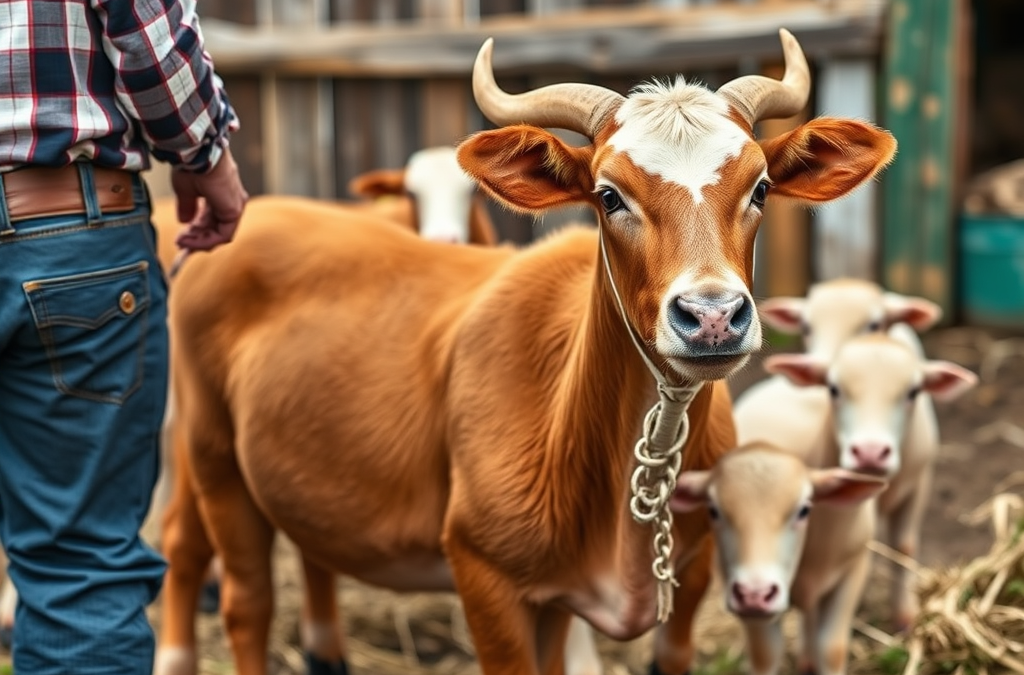
Integrating livestock into daily life can significantly enhance your homestead’s sustainability and efficiency. To achieve this, carefully select animals that align with your environment and goals, such as chickens for eggs or goats for milk. Establishing a consistent daily routine for feeding and health monitoring is essential to ensure their well-being and productivity. A common mistake is underestimating the care requirements of your chosen livestock, which can lead to stress for both the animals and the caretaker. By understanding their specific needs and how they can interact with your existing systems, you can create a harmonious and productive homestead.
Choosing the Right Livestock for Your Homestead
Choosing the right livestock is crucial for maximizing the benefits of your homestead. Factors to consider include the climate, available space, and your specific goals, such as meat, milk, or eggs. Popular choices include chickens for eggs, goats for milk, and pigs for meat. Each type has unique requirements and benefits, so understanding their needs is essential for a successful integration.
For instance, chickens are relatively low-maintenance and can thrive in smaller spaces, making them ideal for beginners. Goats, on the other hand, require more space and fencing but can provide milk and help manage brush. Assessing your lifestyle and resources will help you make informed decisions about which livestock fits best into your daily routines.
Daily Care and Management of Livestock
Daily care for livestock involves feeding, watering, and monitoring their health. Establishing a routine is vital for maintaining animal health and productivity. Livestock should receive a balanced diet tailored to their specific needs, which may include grains, forage, and supplements.
Regular health checks are essential to identify any issues early. Look for signs of distress or illness, such as changes in eating habits or behavior. Additionally, consider the integration of livestock into your existing homestead systems; for example, using chickens to help manage pests in your garden or utilizing goat manure to enrich soil fertility.
Benefits of Integrating Livestock
Integrating livestock into your daily life offers numerous benefits, including sustainable food production and effective waste management. Livestock can provide fresh eggs, milk, and meat, reducing reliance on store-bought products. Furthermore, they contribute to nutrient cycling by converting kitchen scraps and yard waste into valuable manure that enhances soil health.
Additionally, livestock can improve biodiversity on your homestead. For example, chickens can help control insect populations, while goats can clear overgrown areas, creating a healthier ecosystem. These practices not only support a self-sufficient lifestyle but also foster a deeper connection with your land and its resources.
Common Mistakes to Avoid
Integrating livestock into daily life can be rewarding, but common mistakes can lead to challenges. One frequent error is underestimating the amount of space and resources needed for different animals. Each species has specific space requirements; overcrowding can lead to stress and health issues.
Another common pitfall is neglecting to research proper care and management practices. Each type of livestock has unique needs, and failing to meet these can result in poor health or reduced productivity. Creating a comprehensive plan before acquiring animals can help mitigate these risks and ensure a successful integration into your homestead.
Frequently Asked Questions
What types of livestock are best for beginners?
Chickens and rabbits are often recommended for beginners due to their relatively low maintenance and quick returns on investment.
How much space do I need for livestock?
The space requirements vary by species; for example, chickens need a minimum of 2-3 square feet per bird in the coop and 8-10 square feet in an outdoor run.
Can livestock help with pest control?
Yes, certain animals like chickens can effectively control insect populations in gardens and yards, reducing the need for chemical pesticides.
What are the benefits of raising goats?
Goats provide milk, meat, and fiber, and they are excellent for clearing brush and managing overgrown areas, making them versatile on a homestead.
How can I ensure the health of my livestock?
Regular health checks, vaccinations, and a balanced diet are crucial for maintaining the health and productivity of your livestock.
Conclusion
Integrating livestock into daily life can significantly enhance your homestead’s sustainability and productivity. By choosing the right animals, establishing a care routine, and understanding the common challenges, you can create a harmonious environment that benefits both you and your livestock. Prioritize research and planning to avoid pitfalls, and enjoy the numerous rewards of raising animals as part of your daily life.