
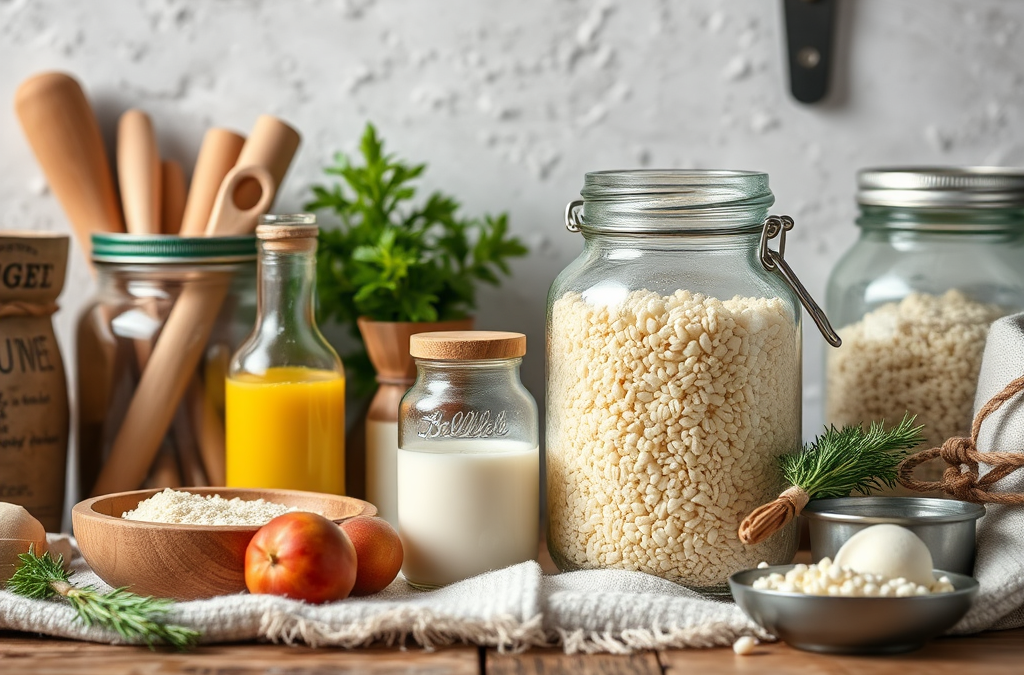
Homemade household supplies for daily living provide an effective way to reduce dependence on store-bought products while promoting a healthier environment. By crafting your own cleaning solutions and personal care items, you can select natural ingredients that align with your values and avoid harmful chemicals. For instance, an all-purpose cleaner can be easily made with vinegar and water, which not only disinfects but also cuts through grease. Additionally, making these products at home can lead to significant cost savings, as bulk ingredients are often cheaper and can be used across multiple recipes. Embracing homemade supplies allows for customization in scent and texture, enhancing your daily living experience.
Benefits of Homemade Household Supplies
Homemade household supplies offer numerous benefits, including greater control over ingredients, cost savings, and reduced environmental impact. By crafting your own products, you can avoid harmful chemicals commonly found in commercial items, which can contribute to health problems and environmental pollution. Additionally, making these supplies at home often proves to be more economical, as bulk ingredients can be purchased at lower costs and used for multiple recipes.
Moreover, homemade supplies can be customized to fit personal preferences, such as fragrance or texture. This customization empowers individuals to choose natural ingredients that align with their values, creating a healthier living space. One common misconception is that homemade products lack effectiveness; however, many natural alternatives outperform their commercial counterparts, particularly in cleaning and personal care applications.
Common Homemade Cleaning Solutions
Creating effective homemade cleaning solutions is straightforward and often utilizes ingredients readily available in most kitchens. For instance, a simple all-purpose cleaner can be made by mixing equal parts water and white vinegar, with optional essential oils for fragrance. This solution effectively cuts through grease and disinfects surfaces without harsh chemicals.
Another popular recipe involves using baking soda as a gentle abrasive cleaner. Combining baking soda with water creates a paste that can tackle tough stains on sinks and countertops. It’s important to note that while these solutions are generally safe for most surfaces, testing a small area first is advisable to avoid any potential damage. Common mistakes include using too much vinegar on stone surfaces, which can etch the material, so caution is key.
DIY Personal Care Products
Homemade personal care products, such as deodorants and lotions, can enhance your daily routine while ensuring the absence of synthetic chemicals. For a simple deodorant, mix coconut oil, baking soda, and cornstarch, adding essential oils for scent. This recipe provides effective odor protection while being gentle on the skin.
Additionally, creating lotions with natural oils and butters allows for moisturizing without synthetic additives. A basic lotion can be made by combining shea butter, coconut oil, and beeswax, which can be melted together and poured into containers. One common pitfall is assuming that homemade products last indefinitely; without preservatives, these items typically have a shorter shelf life, so make small batches as needed.
Tips for Sustainable Production
To maximize the sustainability of homemade household supplies, consider sourcing ingredients from bulk bins or local suppliers to reduce packaging waste. Using glass containers for storage not only prolongs the life of your products but also minimizes plastic waste. Furthermore, investing in reusable cleaning cloths instead of disposable options can significantly decrease your household’s environmental footprint.
It’s also beneficial to keep a record of your recipes and their effectiveness, allowing you to refine them over time. A common mistake is not labeling homemade products, which can lead to confusion about their uses or expiration dates. By implementing these practices, you can create a more sustainable household that aligns with eco-friendly values.
Frequently Asked Questions
What are the benefits of using homemade household supplies?
Homemade household supplies provide greater control over ingredients, cost savings, and reduced environmental impact.
Are homemade cleaning products effective?
Yes, many homemade cleaning products can be as effective, if not more so, than commercial products, especially when made with the right ingredients.
How do I ensure the safety of my homemade products?
Test small areas before widespread use, and be mindful of ingredient interactions, especially on sensitive surfaces.
What are common mistakes when making homemade supplies?
Common mistakes include using incorrect ingredient ratios and failing to label products, leading to confusion and potential waste.
How can I make my homemade products last longer?
Store homemade products in glass containers, keep them in cool, dark places, and make smaller batches to avoid spoilage.
Conclusion
Homemade household supplies not only promote a healthier environment but also empower individuals to take control of their living spaces. By crafting cleaning agents and personal care products from natural ingredients, you can achieve effective results while minimizing chemical exposure. Focus on sustainable practices, such as reusing containers and sourcing bulk ingredients, to enhance the environmental benefits of your homemade supplies. Start your journey today by experimenting with simple recipes that suit your lifestyle, and enjoy the satisfaction of creating your own essential products.


