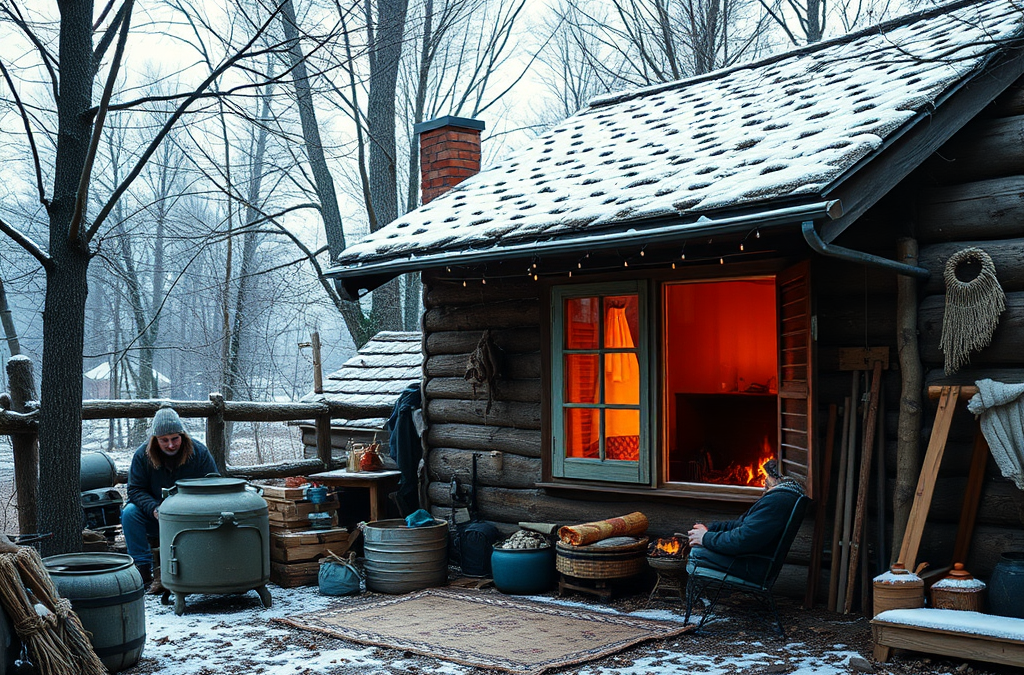
Heating your home self-sufficiently can be achieved through various sustainable methods, including solar heating, wood stoves, and geothermal systems. To maximize efficiency, it’s essential to focus on proper insulation and energy management, which help retain heat and reduce energy consumption. A common mistake is neglecting the importance of dry, seasoned wood when using wood stoves, as wet wood can lead to increased smoke and chimney issues. Additionally, positioning your home to optimize sun exposure for solar heating can significantly enhance your heating system’s effectiveness. By integrating these strategies, you can create a warm and eco-friendly living environment.
Solar Heating Systems
Solar heating systems harness sunlight to provide warmth for your home, either through passive or active methods. Passive solar design involves strategically placing windows and materials that absorb heat during the day and release it at night, while active systems use solar panels to collect energy and convert it into heat. Investing in solar thermal systems can significantly reduce reliance on conventional heating fuels, making it a sustainable choice for self-sufficient living.
One common mistake is underestimating the importance of location and orientation. Homes should ideally be positioned to maximize sun exposure, particularly in winter when the sun is lower in the sky. Pairing solar heating with thermal mass materials, like concrete or stone, can enhance efficiency by storing heat for later use. Regular maintenance of solar panels is also essential to ensure optimal performance.
Wood Heating Solutions
Wood heating remains a popular choice for those seeking self-sufficient heating methods. Wood stoves and fireplaces can provide significant warmth and can be powered by sustainably sourced wood. Modern wood stoves are designed for efficiency and can significantly reduce emissions compared to older models. When selecting a wood heating solution, consider the size of your home and the heat output of the stove to ensure adequate heating.
A common pitfall is using wet or unseasoned wood, which can lead to excessive smoke and creosote buildup in chimneys. Always opt for dry wood that has been seasoned for at least six months. Additionally, implementing a proper ventilation system is crucial for safety and efficiency, allowing smoke to escape while drawing in fresh air for combustion.
Geothermal Heating Options
Geothermal heating systems utilize the earth’s stable underground temperature to provide heating and cooling for homes. By installing a ground loop system, these systems transfer heat from the ground into your home during winter and vice versa in summer. Geothermal heating is highly efficient, often resulting in lower energy bills and reduced carbon footprint.
However, the initial investment for geothermal systems can be high, and installation requires sufficient land area. It’s essential to conduct a site assessment to determine the feasibility of geothermal heating for your property. Homeowners should also be aware of local regulations and incentives that may offset installation costs.
Insulation and Energy Management
Effective insulation is vital in maintaining the heat generated by any heating system, ensuring that your home remains warm without excessive energy consumption. Insulating walls, attics, and floors can significantly reduce heat loss, making your heating methods more effective. Common insulation materials include fiberglass, foam board, and cellulose, each offering different R-values and performance characteristics.
Energy management systems can further optimize heating efficiency by monitoring and adjusting heating levels based on occupancy and temperature preferences. Smart thermostats, for instance, can learn your routine and adjust settings accordingly. A common mistake is neglecting air leaks; sealing gaps around windows and doors can prevent drafts and improve overall thermal performance.
Frequently Asked Questions
What are the benefits of heating my home self sufficiently?
Heating your home self sufficiently can lead to lower energy costs, reduced environmental impact, and increased energy independence.
How can I improve my home’s insulation?
Improving insulation can be achieved by sealing air leaks, adding insulation to walls and attics, and using energy-efficient windows.
Is solar heating worth the investment?
Solar heating can provide significant long-term savings on energy bills, making it a worthwhile investment for many homeowners.
What type of wood is best for heating?
Hardwoods like oak and maple are ideal for heating as they burn longer and produce more heat compared to softwoods.
How does geothermal heating work?
Geothermal heating works by using the stable temperature of the earth to heat and cool your home through a ground loop system.
Conclusion
Heating your home self sufficiently is a practical approach that can lead to significant energy savings and a reduced environmental footprint. By exploring options like solar heating, wood stoves, and geothermal systems, you can create a comfortable living space while minimizing reliance on traditional energy sources. Prioritize proper insulation and energy management to maximize the effectiveness of your chosen heating method. Start planning your self-sufficient heating strategy today for a sustainable future.