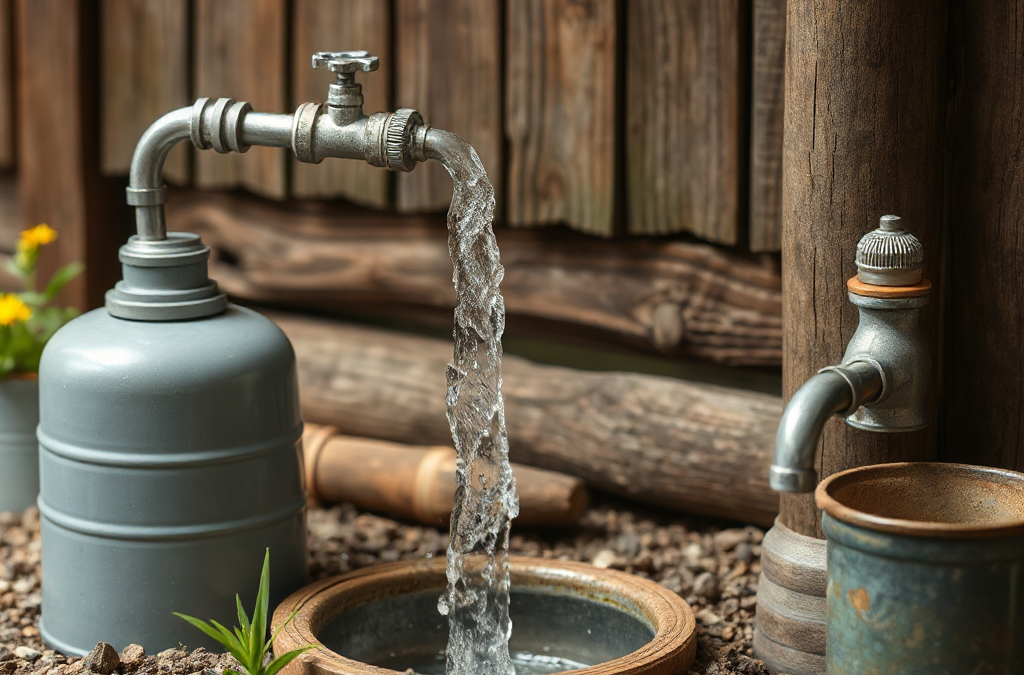
Water systems for a homestead lifestyle include methods like rainwater harvesting, well water systems, and filtration techniques, each tailored to provide a sustainable water supply. Rainwater harvesting allows for the collection and storage of rainwater, which can significantly lower reliance on municipal sources and reduce costs. However, it’s essential to implement proper filtration to ensure the water is safe for consumption. Well water systems offer access to cleaner groundwater but require regular testing for contaminants to maintain safety. Homesteaders should carefully assess their local regulations and environmental conditions to choose the best water system for their needs.
Understanding Rainwater Harvesting
Rainwater harvesting is a sustainable method for collecting and storing rainwater for various uses, including irrigation, drinking, and household activities. This system typically involves a catchment area, such as a roof, where rainwater is collected and directed into storage tanks. The primary advantage of rainwater harvesting is its ability to reduce dependency on municipal water systems and decrease water utility costs.
Implementing a rainwater harvesting system requires proper planning and consideration of local regulations. Homeowners should ensure that the catchment area is clean and that the storage tanks are designed to prevent contamination. A common mistake is neglecting to filter the water before use, which can lead to health risks. By incorporating a filtration system, homesteaders can ensure that the harvested rainwater is safe for consumption.
Implementing Well Water Systems
Well water systems are another viable option for homesteaders looking for a reliable water source. By drilling a well, homeowners can access groundwater, which is often cleaner and more consistent than surface water. The process involves selecting a suitable location, drilling, and installing a pump to bring water to the surface.
One of the primary considerations when implementing a well system is the water quality and depth. Testing the groundwater for contaminants is crucial, as some wells may require additional filtration or treatment systems. A common misconception is that well water is always safe; however, regular testing is essential to ensure that the water remains potable. Additionally, homeowners should be aware of the long-term maintenance costs associated with well systems, including pump repairs and routine water testing.
Filtration and Purification Methods
Regardless of the water source, effective filtration and purification methods are essential for ensuring safe drinking water. Various systems are available, including activated carbon filters, reverse osmosis systems, and UV purification. Each method has its strengths and weaknesses, making it important for homesteaders to select the right system based on their specific needs.
For instance, activated carbon filters are effective at removing chlorine and sediment but may not eliminate all contaminants. Conversely, reverse osmosis systems can remove a broader range of impurities but may require more maintenance and water pressure to function effectively. A common mistake is to rely solely on one filtration method without considering the complete water quality profile. Combining multiple filtration methods can provide a more comprehensive solution for ensuring safe water.
Frequently Asked Questions
What are the benefits of rainwater harvesting?
Rainwater harvesting can significantly reduce water bills, provide a sustainable water source, and decrease reliance on municipal water systems.
How deep should a well be for optimal water quality?
The ideal depth varies by location, but wells should typically be at least 100 feet deep to access cleaner groundwater.
What types of filtration systems are best for homesteaders?
Activated carbon, reverse osmosis, and UV filtration systems are popular, each serving different purification needs.
How often should I test my well water?
It’s recommended to test well water at least once a year for contaminants to ensure safety and quality.
Can I use rainwater for drinking?
Yes, but it must be properly filtered and treated to ensure it’s safe for consumption.
Conclusion
Choosing the right water system for a homestead is crucial for sustainability and self-sufficiency. By understanding the various options available, including rainwater harvesting, well water systems, and effective filtration methods, homesteaders can ensure they have a reliable and safe water supply. Prioritizing proper installation, maintenance, and regular testing will help avoid common pitfalls and enhance the overall effectiveness of these systems.