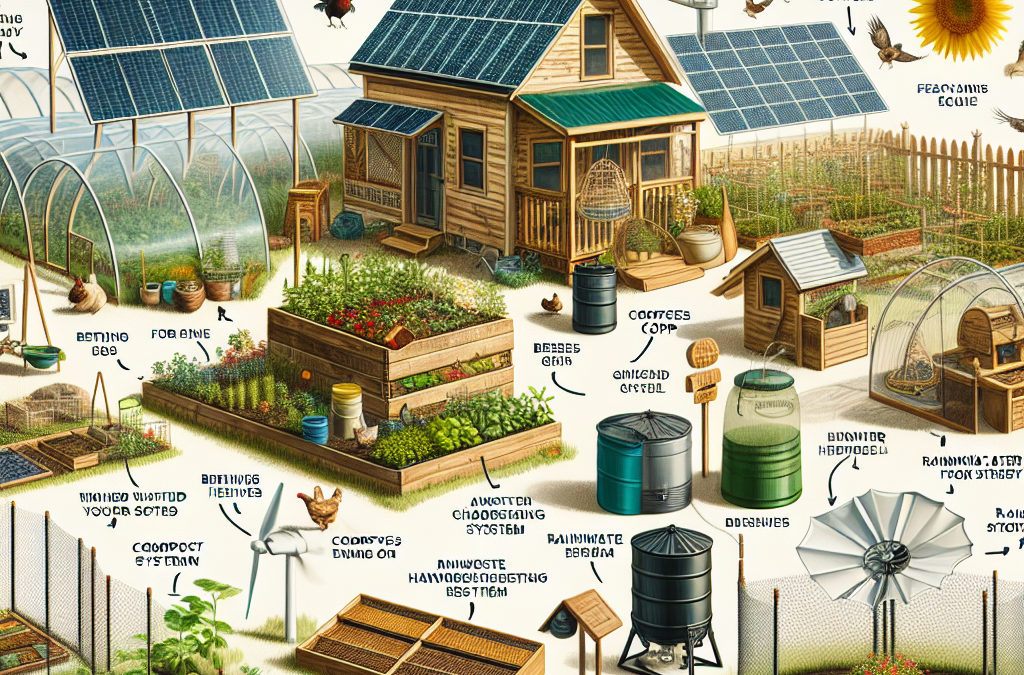
Growing daily food for your kitchen can be achieved by selecting fast-growing crops like leafy greens, herbs, and root vegetables. Implementing succession planting allows you to sow seeds at regular intervals, ensuring a continuous harvest throughout the growing season. For instance, planting lettuce every two weeks can provide fresh greens consistently. Additionally, container gardening is an excellent option for maximizing space, enabling you to grow various crops even in limited areas. Regular maintenance, including watering and pest management, is essential to sustain healthy plants and ensure a steady supply of nutritious ingredients for your meals.
Choosing the Right Crops
Selecting appropriate crops is crucial for successful daily food production. Leafy greens like spinach, lettuce, and kale are fast-growing and can be harvested multiple times within a season. Additionally, herbs such as basil, cilantro, and parsley provide flavor and nutrition while requiring minimal space. Root vegetables like radishes and carrots can also be planted for a continuous harvest.
Consider the climate and growing conditions in your area when choosing crops. Some plants thrive in cooler temperatures, while others prefer warmth. Understanding your local growing season will help you select the right varieties and timing for planting, ensuring that you can enjoy fresh produce consistently.
Effective Growing Methods
Utilizing effective growing methods can significantly enhance your ability to produce daily food. Succession planting is a technique where you plant new crops at intervals, ensuring that you have a staggered harvest throughout the season. For example, sowing a new batch of lettuce every two weeks can provide a continuous supply.
Container gardening is another practical method, especially for those with limited space. By using pots or raised beds, you can grow a variety of crops even in small areas. Ensure that your containers have adequate drainage and use quality soil to promote healthy plant growth.
Maintaining Your Garden
Maintaining your garden is essential for achieving a steady supply of fresh food. Regular watering, weeding, and monitoring for pests are key tasks that help ensure your plants thrive. Implementing organic pest control methods, such as introducing beneficial insects or using natural repellents, can also protect your crops without harmful chemicals.
Additionally, practicing crop rotation can improve soil health and reduce pest issues. By changing the location of your crops each year, you can prevent soil depletion and promote a more robust harvest. Keeping a garden diary can help you track what works best in your specific environment and make adjustments as needed.
Frequently Asked Questions
What are the best crops for daily harvesting?
Leafy greens like spinach and lettuce, herbs such as basil and cilantro, and quick-growing root vegetables like radishes are excellent choices for daily harvesting.
How can I grow food in a small space?
Container gardening allows you to grow food in small spaces. Use pots, vertical planters, or window boxes to maximize your growing area.
What is succession planting?
Succession planting involves sowing seeds at intervals to ensure a continuous harvest throughout the growing season, such as planting new lettuce every two weeks.
How do I maintain my garden for continuous production?
Regularly water, weed, and monitor for pests. Implement organic pest control methods and practice crop rotation to promote healthy plant growth.
Can I grow food year-round?
Yes, by using techniques like greenhouse gardening or cold frames, you can extend your growing season and cultivate food year-round, even in colder climates.
Conclusion
Growing daily food for your kitchen is a rewarding endeavor that can enhance your meals and promote sustainability. By selecting the right crops, employing effective growing methods, and maintaining your garden diligently, you can ensure a consistent supply of fresh produce. Start with easy-to-grow plants and gradually expand your garden as you gain confidence. With attention and care, your kitchen can flourish with homegrown ingredients.