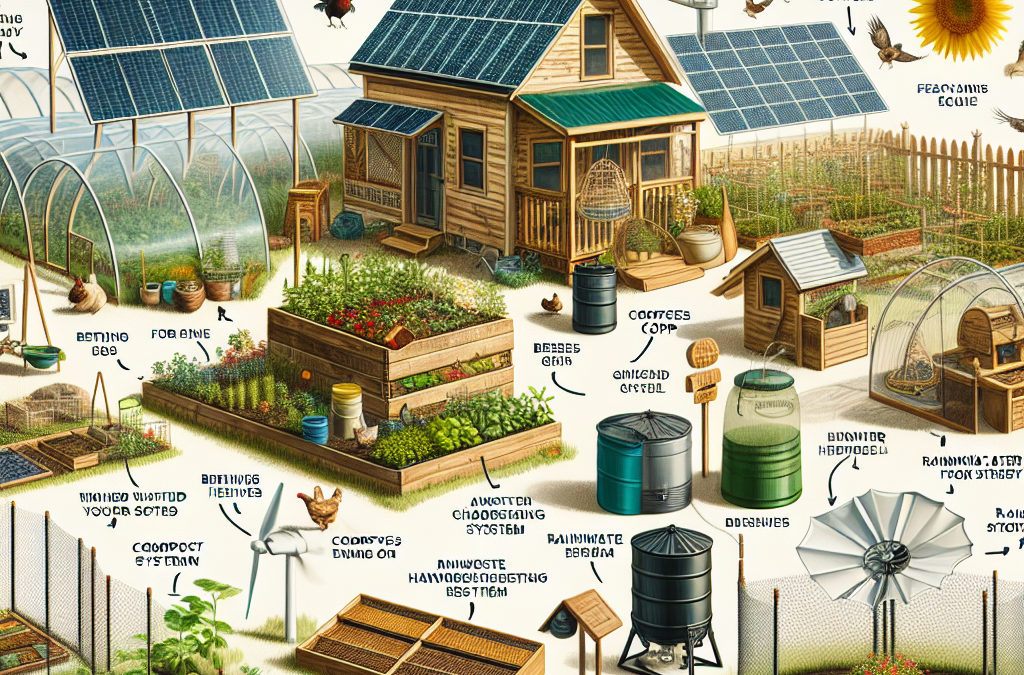
Healthy living through homesteading daily encompasses a lifestyle that emphasizes self-sufficiency, sustainability, and well-being. By engaging in activities such as gardening, raising livestock, and preserving food, individuals can cultivate a healthier lifestyle that nourishes both body and mind. This approach not only enhances personal health but also fosters a deeper connection to the environment and community.
Adopting a homesteading lifestyle requires a commitment to organic practices and a focus on local resources. This means prioritizing homegrown produce and minimizing reliance on processed foods, which can lead to improved physical health and reduced environmental impact. Common pitfalls include underestimating the time and effort needed to maintain a homestead, leading to frustration and burnout. Therefore, it’s essential to start small, gradually expanding your homesteading practices as you gain confidence and experience.
Benefits of Daily Homesteading
Engaging in daily homesteading activities offers numerous benefits, including increased physical health, mental clarity, and environmental sustainability. Regular physical tasks, such as gardening and animal care, promote fitness and reduce stress levels. Additionally, consuming fresh, homegrown produce can lead to better nutrition and overall well-being.
Moreover, the act of connecting with nature has been shown to enhance mental health, reducing symptoms of anxiety and depression. This lifestyle also fosters a sense of community through shared knowledge and resources, creating an environment where individuals can support one another in their homesteading endeavors.
Essential Practices for Healthy Living
To achieve healthy living through homesteading daily, several key practices can be implemented. Starting a vegetable garden is one of the most effective ways to ensure a steady supply of fresh produce. Incorporating a variety of fruits and vegetables can enhance nutrition and provide seasonal variety.
Additionally, raising small livestock such as chickens or rabbits can contribute to food sustainability while offering companionship and reducing food waste. Learning preservation techniques, such as canning and fermenting, allows for the enjoyment of seasonal produce year-round, further promoting healthy eating habits.
Common Mistakes to Avoid
Many new homesteaders make the mistake of taking on too much too quickly, leading to burnout and frustration. It’s essential to start with manageable projects and gradually expand your homesteading activities. Another common pitfall is neglecting to plan for seasonal changes, which can impact crop yields and livestock care.
Additionally, failing to educate oneself about local regulations regarding livestock and gardening can lead to compliance issues. Regularly seeking out information and connecting with local homesteading communities can help mitigate these challenges and enhance success.
Integrating Homesteading into Daily Life
Integrating homesteading practices into daily life can be achieved by setting realistic goals and creating a routine that incorporates these activities. Designating specific times for gardening, cooking, and preserving can help establish a rhythm that aligns with your lifestyle.
Moreover, involving family members in these activities can foster teamwork and shared responsibility, making the process more enjoyable and efficient. As you become more comfortable with your routines, consider expanding your practices to include more complex projects, such as building a compost system or experimenting with permaculture.

Frequently Asked Questions
What is the first step to start homesteading?
The first step is to assess your space and resources, then choose a manageable project, like starting a small vegetable garden.
How can I maintain a healthy diet while homesteading?
Grow a variety of fruits and vegetables, and learn food preservation methods to ensure a diverse and healthy diet.
What are the benefits of raising chickens?
Chickens provide fresh eggs, help with pest control, and their manure can be used as fertilizer for gardens.
How do I prevent burnout in homesteading?
Start with small projects, set realistic goals, and take breaks to avoid overwhelming yourself.
What is the best way to learn about homesteading?
Engage with local homesteading communities, read books, and explore online resources for practical advice and support.
Conclusion
Embracing healthy living through homesteading daily can lead to significant improvements in personal well-being and environmental sustainability. By starting with manageable practices, such as gardening and raising small livestock, individuals can create a fulfilling lifestyle that supports both health and community. To maximize the benefits, prioritize organic methods, involve family members, and continuously seek knowledge. As you grow more comfortable with homesteading, explore new projects to enhance your self-sufficiency and overall quality of life.