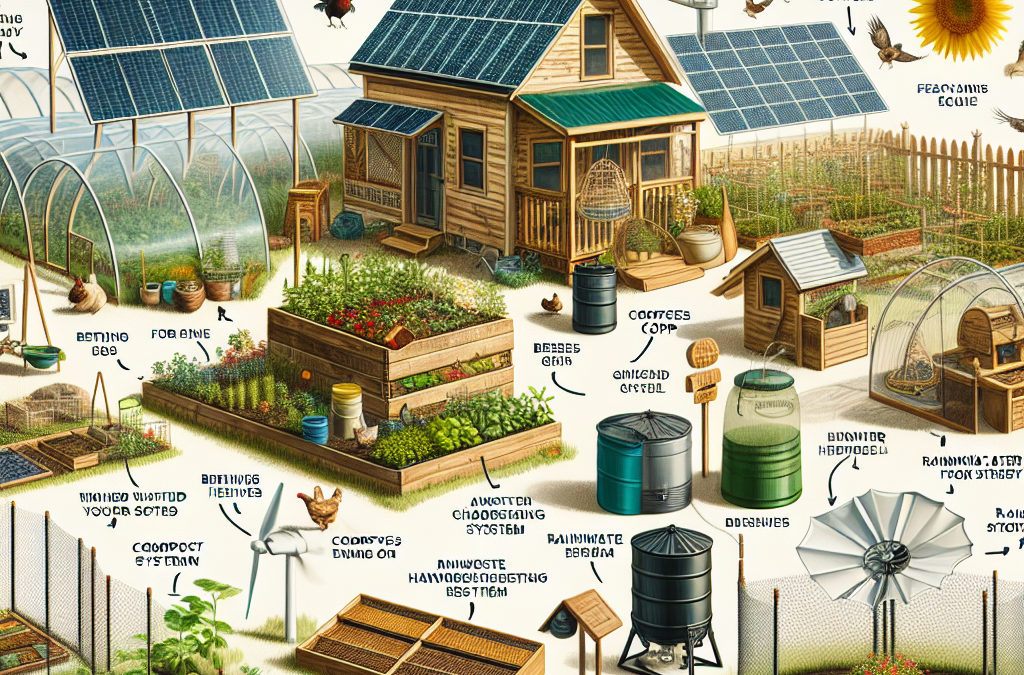
Homestead life and mental wellness are deeply interconnected, as engaging with nature and maintaining a structured routine can significantly enhance mental health. Many homesteaders face challenges such as isolation and overwhelming responsibilities, which can lead to stress and anxiety. To cultivate resilience, it is essential to prioritize daily outdoor activities and establish a consistent schedule that includes time for self-care.
Creating a balanced routine not only helps manage stress but also fosters a sense of accomplishment and purpose. Many individuals overlook the importance of integrating wellness practices into their homesteading lifestyle. By recognizing the mental health benefits of nature, social interaction, and self-care, homesteaders can improve their overall well-being.
The Role of Nature in Mental Wellness
Engaging with nature is crucial for enhancing mental wellness. Studies have shown that spending time outdoors can reduce symptoms of anxiety and depression. For homesteaders, daily interactions with plants, animals, and the environment provide a natural outlet for stress relief. Immersing oneself in the sights, sounds, and smells of nature can foster a sense of peace and grounding.
However, many homesteaders may not fully utilize their surroundings to support their mental health. It is important to carve out time each day to engage with the land, whether through gardening, tending to animals, or simply enjoying the fresh air. These activities not only improve mental wellness but also contribute to a fulfilling homesteading experience.
Establishing a Daily Routine
A structured daily routine is vital for maintaining mental wellness in a homesteading lifestyle. Establishing specific times for chores, meals, and self-care helps create a sense of normalcy and predictability. This routine can alleviate feelings of being overwhelmed and provide a clearer focus on tasks at hand.
Many individuals underestimate the power of routine in combating stress. Incorporating time for breaks, exercise, and relaxation within the daily schedule can lead to enhanced productivity and mental clarity. Additionally, setting realistic goals for each day can prevent burnout and promote a positive mindset.
Building Community Connections
Social connections play a significant role in mental wellness. Homesteaders often work in isolation, which can lead to feelings of loneliness. Building a network of fellow homesteaders or participating in local community events can provide essential support and camaraderie.
To foster these connections, consider joining local farming groups, attending workshops, or participating in community markets. Engaging with others who share similar interests can enhance feelings of belonging and reduce the mental strain associated with isolation.
Mindfulness Practices for Homesteaders
Mindfulness practices can significantly enhance mental wellness for those living a homestead life. Techniques such as meditation, yoga, or simply practicing gratitude can help center the mind and promote emotional resilience. These practices encourage individuals to be present in the moment, reducing anxiety about past or future concerns.
Incorporating mindfulness into daily routines can be as simple as taking a few moments to breathe deeply while observing nature or reflecting on positive experiences. Regularly practicing mindfulness can improve overall mental health, helping homesteaders navigate the challenges of their lifestyle with greater ease.

For those looking to explore more about the intersection of homestead life and mental wellness, consider checking out resources from reputable organizations focusing on mental health and sustainable living.
Frequently Asked Questions
How can homesteading improve mental health?
Homesteading encourages outdoor activity, routine, and connection with nature, all of which are beneficial for mental health.
What are some daily practices to support mental wellness while homesteading?
Establishing a structured routine, practicing mindfulness, and engaging with nature can support mental wellness.
Why is community important for homesteaders?
Community connections provide emotional support, reduce feelings of isolation, and enhance overall well-being.
What mindfulness practices can be beneficial for homesteaders?
Practices such as meditation, yoga, and gratitude reflection can enhance mental wellness for homesteaders.
How does nature impact mental wellness?
Spending time in nature has been shown to reduce anxiety and depression, promoting a sense of peace.
Conclusion
In closing, prioritizing mental wellness in homestead life is essential for sustaining both physical and emotional health. Engaging with nature, establishing a daily routine, building community connections, and practicing mindfulness are all effective strategies for enhancing well-being. By taking proactive steps to integrate these practices into daily life, homesteaders can cultivate resilience and enjoy a fulfilling, balanced lifestyle.