
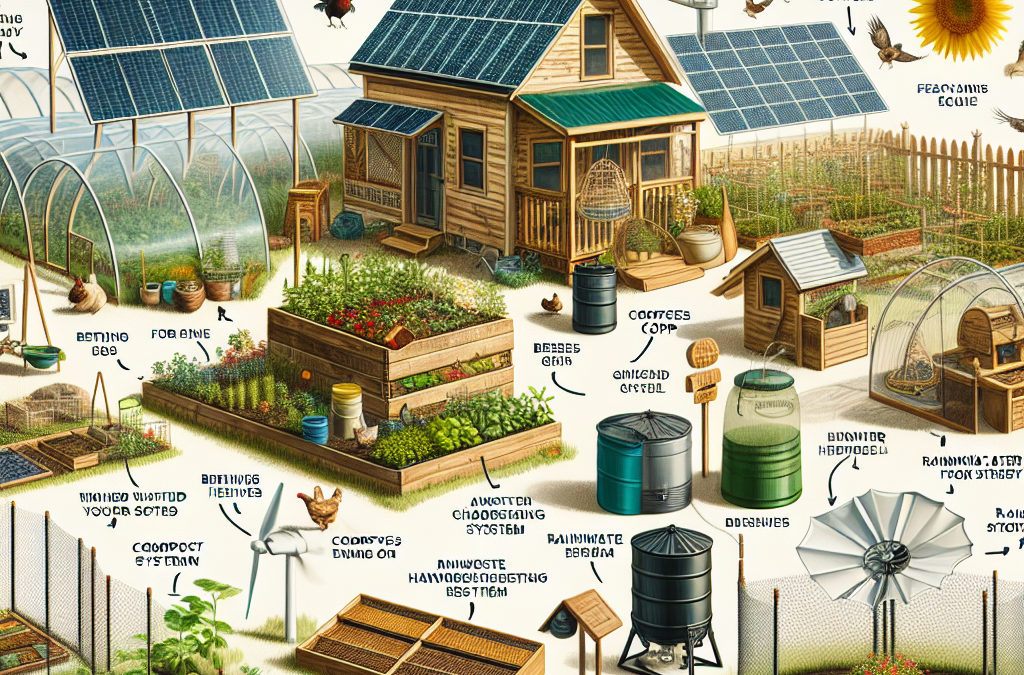
Bartering within homestead lifestyle systems enables individuals to trade goods and services directly, facilitating a sustainable and community-oriented lifestyle. This practice hinges on mutual need, where participants exchange what they have in surplus for what they lack, thus promoting resourcefulness and reducing reliance on money.
Understanding the dynamics of bartering is critical for success. Many people assume that the value of goods is universally understood, but differing perceptions can lead to friction in exchanges. Clear communication about the worth and condition of items is essential. Additionally, recognizing the importance of building relationships within the community can enhance trust and frequency of successful exchanges, as personal connections often lead to better deals.
The Basics of Bartering
Bartering is the act of trading goods and services directly without using money. In a homestead context, this could involve exchanging vegetables for handmade crafts or sharing labor for repairs. It relies on the principle of value, which can be subjective, varying from person to person based on needs and perceptions.
To engage in bartering successfully, it’s crucial to establish what you can offer and understand what others may need. This mutual understanding enhances the likelihood of successful trades. Moreover, acknowledging the time and effort involved in producing goods can help set fair expectations during exchanges.
Building a Bartering Network
Creating a robust bartering network is fundamental to maximizing the benefits of this system. Start by identifying like-minded individuals in your community who are open to bartering. This can be done through local farmers’ markets, community boards, or social media groups dedicated to homesteading.
Once a network is established, maintain regular communication to keep everyone informed about available goods and services. This proactive approach not only enhances the bartering experience but also builds trust among participants, ensuring that exchanges are fair and mutually beneficial.
Common Bartering Mistakes
One of the most common mistakes in bartering is overvaluing one’s own goods while undervaluing others’. This can lead to dissatisfaction and a breakdown in relationships. Additionally, failing to communicate effectively about the condition and quality of items can result in misunderstandings.
Another pitfall is not having a clear agreement on what is being exchanged. Written agreements can help clarify expectations and prevent disputes. Always be open to negotiation and flexible in your approach to ensure that both parties feel satisfied with the trade.

Real-World Examples of Bartering
Bartering can take many forms in a homestead context. For instance, a gardener might trade a basket of fresh vegetables with a local handyman in exchange for repair work on gardening tools. Similarly, a baker could offer homemade bread to a neighbor in exchange for fresh eggs.
These real-world examples highlight the diversity of bartering possibilities. Engaging in such exchanges not only fulfills needs but also fosters community connections. By sharing skills and resources, homesteaders can create a supportive network that enhances their self-sufficiency.
Frequently Asked Questions
What is bartering in homesteading?
Bartering in homesteading is the exchange of goods and services directly between individuals without using money, fostering community ties and self-sufficiency.
How do I start bartering?
Begin by identifying what you can offer and seeking out individuals in your community who are interested in bartering. Networking through local events is a great start.
What are common pitfalls in bartering?
Common pitfalls include overvaluing your items, poor communication about the condition of goods, and not having clear agreements, which can lead to misunderstandings.
Can bartering be done online?
Yes, many platforms and social media groups facilitate online bartering, allowing individuals to connect and trade goods and services without geographical limitations.
What items are best for bartering?
Items that are often best for bartering include homemade goods, fresh produce, handmade crafts, and services like gardening or repair work, as these are in high demand within communities.

