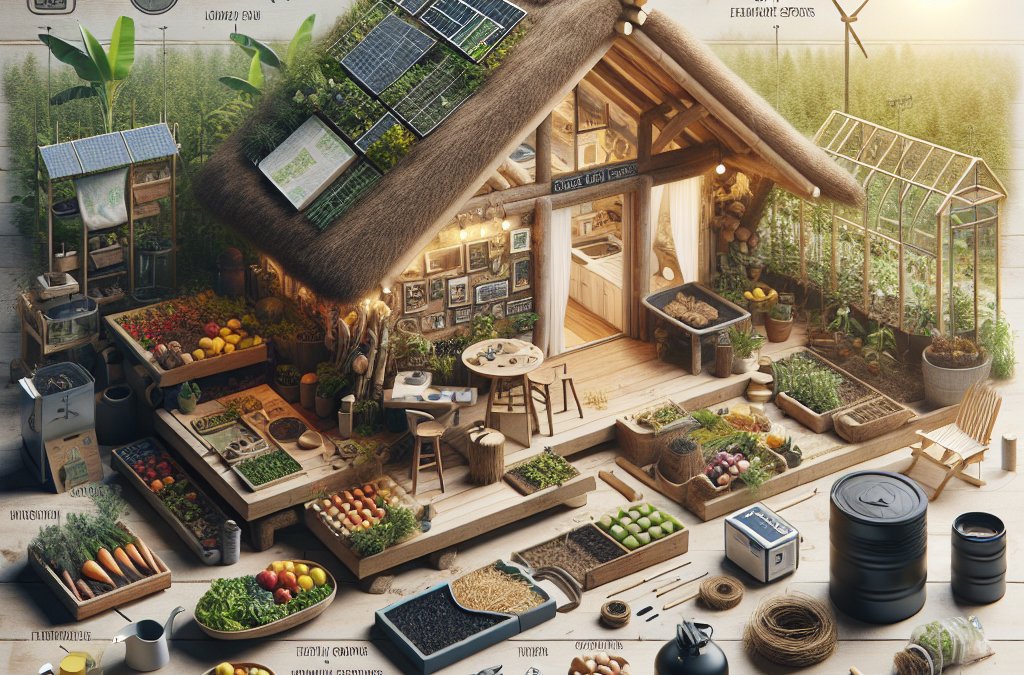
Community focused homestead living ideas revolve around collaborative practices that promote sustainability and shared resources among individuals living in close proximity. These approaches not only enhance personal well-being but also strengthen community bonds, encouraging a collective effort towards self-sufficiency. The essence of this lifestyle is rooted in cooperation, where neighbors come together to share tools, knowledge, and labor to create a thriving homestead environment.
Implementing community focused homestead living requires clear communication, trust, and a willingness to collaborate. It’s vital for community members to establish common goals, such as growing food collectively, sharing livestock, or trading skills and services. Misunderstandings or lack of participation can lead to frustrations, so setting clear expectations and organizing regular meetings can help mitigate these issues and keep everyone engaged.
Building a Community Garden
A community garden serves as a focal point for collaboration and engagement among residents. It allows participants to cultivate their own food while fostering relationships and sharing gardening knowledge. Community gardens can also enhance local biodiversity and contribute to food security.
To successfully establish a community garden, involve local residents in the planning process. Identify a suitable location that is accessible to all community members and ensure that everyone understands their responsibilities. Regular maintenance and participation are crucial; thus, creating a schedule for watering, weeding, and harvesting can help keep the garden thriving. Additionally, consider hosting seasonal events to celebrate the harvest and strengthen community ties.
Skill Sharing and Workshops
Organizing skill-sharing sessions and workshops is an effective way to empower community members and enhance their self-sufficiency. These events can cover a wide range of topics, from gardening techniques to preserving food and crafting.
To implement this idea, survey community members to identify their skills and interests. Create a calendar of workshops and promote them through local bulletin boards or social media. Encourage participants to take turns leading workshops, which can create a sense of ownership and pride in the community. This collaborative learning environment not only builds skills but also fosters relationships among participants.
Resource Sharing Networks
Resource sharing networks allow community members to pool their tools, equipment, and other resources, reducing individual costs and promoting sustainable practices. This can include everything from sharing gardening tools to livestock or even vehicles.
Establishing a resource-sharing network requires the creation of a catalog or inventory of available resources. Implement a system for tracking who has borrowed what and when it is due back. Regular check-ins can help maintain accountability and ensure that resources are well cared for. This network can significantly reduce waste and encourage a culture of sharing and cooperation.
Creating a Local Market
A local market can serve as a platform for community members to sell their produce, handmade goods, and crafts. This not only supports local economies but also fosters a sense of community pride and engagement.

To create a successful local market, choose a suitable venue and establish a regular schedule. Promote the market within the community to attract visitors and vendors. Consider incorporating live music or workshops during market days to enhance the experience. Additionally, collaborating with local organizations can help gain support and increase outreach.
For those interested in exploring community focused homestead living ideas further, consider visiting local agricultural extension offices or community resource centers. These organizations often provide valuable information on sustainable practices and community building.
Frequently Asked Questions
What are community focused homestead living ideas?
They are collaborative practices that emphasize shared resources and sustainability among community members living close together.
How can I start a community garden?
Engage local residents in planning, find a suitable location, and establish responsibilities for garden maintenance.
What types of workshops can be organized?
Workshops can cover topics like gardening, food preservation, crafting, or any skills that community members wish to share.
How do resource sharing networks work?
Community members share tools and resources, creating a catalog to track what is available and who is borrowing items.
What benefits does a local market provide?
A local market supports the economy, builds community pride, and encourages engagement among residents.
Conclusion
Community focused homestead living ideas offer a pathway to sustainable living through collaboration and shared resources. By building community gardens, organizing skill-sharing workshops, establishing resource-sharing networks, and creating local markets, residents can foster a sense of belonging and mutual support. Prioritizing communication and engagement is essential for the success of these initiatives. Start small, involve your neighbors, and explore how these practices can enrich your community while promoting sustainability.