
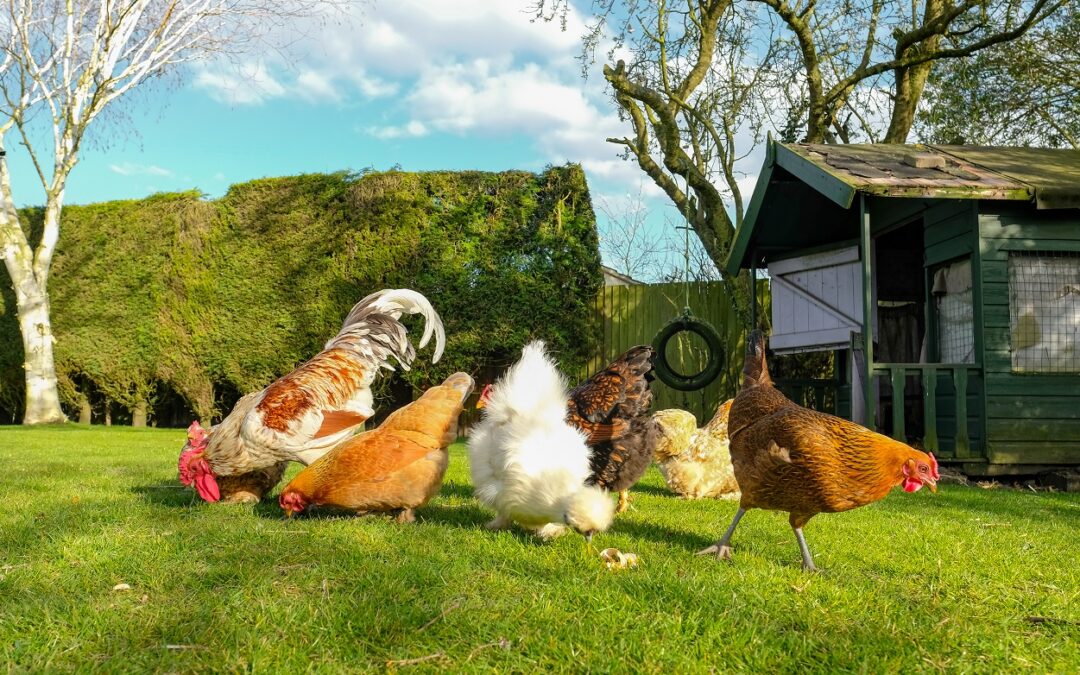
Homestead living for young families emphasizes creating a self-sufficient lifestyle that nurtures both children and adults while offering practical skills for everyday life. This approach allows families to cultivate a deep connection with nature, engage in meaningful activities, and foster a strong sense of community. Key elements include gardening, raising small livestock, and implementing sustainable practices that encourage children to participate and learn.
To successfully transition into homestead living, families must prioritize hands-on experiences that promote learning and responsibility. Young children can assist with gardening tasks, while older kids can take on more significant roles, such as caring for animals or managing small projects. This not only teaches essential skills but also strengthens family bonds through shared responsibilities and teamwork. Additionally, balancing work and play is crucial to maintaining a healthy family dynamic.
Creating a Family-Friendly Homestead
Establishing a family-friendly homestead starts with choosing the right location and designing a space that meets everyone’s needs. A family-focused homestead should include areas for play, relaxation, and work. Consider incorporating safe outdoor spaces where children can explore and learn about their environment. Additionally, plan for growth by including features such as raised garden beds, fruit trees, and small animal enclosures that can evolve as children grow.
Incorporating educational aspects into your homestead design is essential. For instance, planting a variety of crops can serve as a living classroom, teaching children about different plants, seasons, and ecological systems. Furthermore, creating a designated area for children to engage in creative projects—such as crafting or building—will encourage their natural curiosity and innovation.
Engaging Children in Homestead Activities
Engaging children in homestead activities is crucial for fostering a sense of responsibility and connection to their surroundings. Start with simple tasks such as planting seeds, watering plants, or feeding animals. As children become more comfortable, gradually introduce them to more complex responsibilities, like harvesting crops or maintaining animal habitats.
To maintain enthusiasm, make these activities enjoyable by incorporating games or challenges. For example, set up a scavenger hunt to find specific plants or insects in the garden. This not only keeps children engaged but also teaches them to observe and appreciate their environment. Furthermore, involve children in planning family meals using homegrown produce, which will help them understand the value of their efforts.
Building a Supportive Community
Building a supportive community is vital for young families embracing homestead living. Connecting with local homesteaders, farmers, or gardening groups can provide valuable resources, knowledge, and support. Attend community events, workshops, or farmers’ markets to meet like-minded families who share similar goals and interests.
Additionally, forming cooperative arrangements with neighbors can enhance the homesteading experience. Consider sharing resources, such as tools or livestock, or organizing group projects like community gardens. This not only fosters relationships but also teaches children the importance of collaboration and teamwork.
Sustainable Practices for Young Families
Implementing sustainable practices is a cornerstone of homestead living for young families. Focus on methods that minimize environmental impact while maximizing productivity. Techniques such as companion planting, crop rotation, and organic pest control can lead to healthier gardens while teaching children about ecological balance.

Moreover, consider incorporating renewable energy sources, such as solar panels or wind turbines, to power your homestead sustainably. Involve children in understanding how these systems work and discuss the importance of conserving resources. This will instill a sense of stewardship and responsibility towards the environment that they can carry into adulthood.
For families interested in deepening their understanding of homestead living, consider exploring books or online resources that cover topics like permaculture, organic gardening, and sustainable living practices. Local libraries or community centers may also offer workshops and classes tailored to families.
Frequently Asked Questions
What is homestead living?
Homestead living is a lifestyle focused on self-sufficiency, sustainability, and a strong connection to nature, often involving agriculture, animal husbandry, and environmentally friendly practices.
How can young families get started with homesteading?
Young families can start homesteading by researching local resources, creating a plan for their space, and gradually incorporating gardening and small livestock into their routine.
What activities are suitable for children on a homestead?
Children can engage in various activities, such as planting, watering, feeding animals, and participating in creative projects that foster curiosity and responsibility.
How can families build a supportive homesteading community?
Families can build a supportive community by attending local events, joining gardening or farming groups, and collaborating with neighbors on shared projects.
What sustainable practices should young families implement?
Young families should focus on sustainable practices like organic gardening, companion planting, and using renewable energy sources to minimize their environmental impact.
Conclusion
Homestead living for young families offers a unique opportunity to cultivate a self-sufficient lifestyle that nurtures both personal growth and family bonds. By engaging children in meaningful activities, fostering a supportive community, and implementing sustainable practices, families can create a thriving homestead environment. Prioritizing hands-on experiences and collaboration will not only enhance family connections but also instill valuable life skills in children, preparing them for a future rooted in responsibility and environmental stewardship.


