Starting homestead life after retirement requires careful planning and a commitment to self-sufficiency. Recent retirees often find fulfillment in cultivating their own gardens, raising livestock, and living sustainably. The key to a successful transition lies in understanding the necessary steps to establish a productive and enjoyable homestead environment.
First, it’s essential to identify your goals and the type of homesteading lifestyle you want to pursue. This may range from growing vegetables and herbs to raising animals or even off-grid living. Knowing what you want to achieve will guide your decisions about land, resources, and tools. Additionally, consider the climate and soil quality of your chosen location, as these factors will significantly influence your gardening and farming success.
Choosing the Right Location
Choosing the right location is critical for a successful homestead. Factors like proximity to amenities, climate, and land quality should all be taken into account. Look for areas with fertile soil and a climate conducive to year-round gardening. You may also want to consider how far you are from family and friends, as community support can be invaluable in your new lifestyle.
When evaluating potential properties, assess the land’s water availability, access to sunlight, and any existing infrastructure such as barns or sheds. This will help you determine the feasibility of different homesteading activities. Engaging with local homesteading communities can also provide insights into the best areas to live and work.
Planning Your Homestead Layout
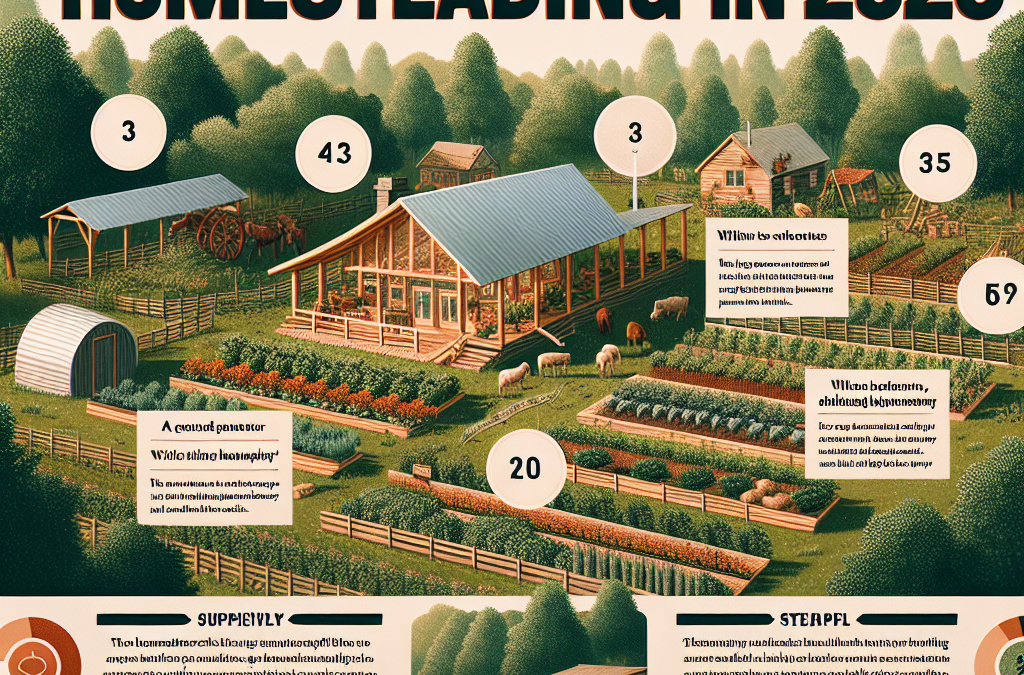
Once you have secured a location, the next step is planning your homestead layout. A well-thought-out design will maximize efficiency and productivity. Consider the placement of vegetable gardens, animal enclosures, and water sources. Ensure that your layout minimizes travel distance between tasks to save time and energy.
Incorporating permaculture principles can help create a sustainable ecosystem on your homestead. For example, positioning animal pens near gardens can facilitate natural fertilization and pest control. Additionally, consider pathways for ease of access and maintenance as you plan your layout.
Growing Your Own Food
Growing your own food is one of the most rewarding aspects of homesteading. Start by selecting crops that grow well in your climate and soil conditions. Focus on vegetables and fruits that you enjoy eating, and consider planting perennials that will continue to produce for multiple seasons.
Utilizing organic gardening practices can enhance soil health and yield. Implement crop rotation, companion planting, and natural pest control methods to maintain a thriving garden. Additionally, preserving excess produce through canning or freezing can help you make the most of your harvest.

Managing Resources Wisely
Effective resource management is key to a successful homestead. This includes water conservation, energy efficiency, and waste reduction. Implement rainwater harvesting systems to capture and store water for irrigation. Explore renewable energy options, such as solar or wind power, to reduce reliance on traditional utilities.
Composting organic waste can enrich your soil while minimizing garbage output. Establishing a waste management system can help keep your homestead clean and sustainable. Remember, understanding and managing your resources is vital for long-term success in homesteading.
Frequently Asked Questions
What is the first step to starting a homestead after retirement?
The first step is to identify your goals and the type of homesteading lifestyle you wish to pursue, including location and resources.
How much land do I need for a homestead?
The amount of land needed varies based on your goals, but even a small plot can support a successful garden and small livestock.
Can I start a homestead on a budget?
Yes, starting a homestead on a budget is possible by prioritizing essential projects and gradually expanding your efforts over time.
What crops are best for beginners?
Beginners should start with easy-to-grow crops such as tomatoes, lettuce, and radishes, which provide quick results and satisfaction.
How do I find a supportive homesteading community?
Look for local homesteading groups, workshops, or online forums where you can connect with others who share your interests and goals.
Conclusion
Starting homestead life after retirement can be a rewarding journey filled with growth and learning. Prioritize understanding your goals, planning your layout, and managing resources effectively to create a sustainable and enjoyable living environment. Engage with local communities and resources to support your transition and enrich your experience. By taking these practical steps, you’ll be well on your way to a fulfilling homesteading lifestyle.