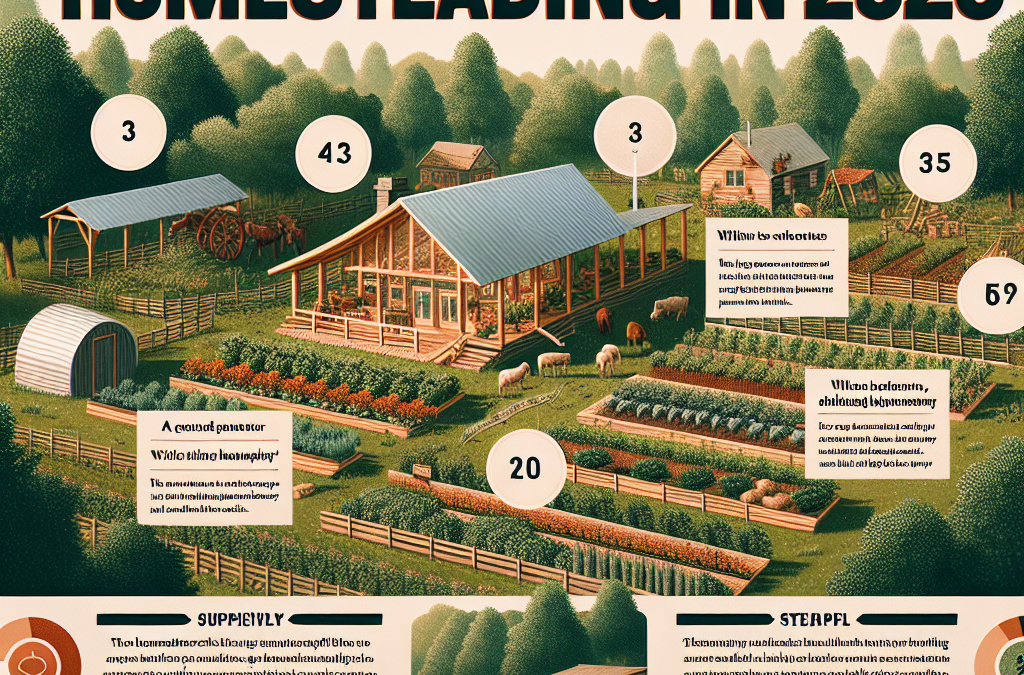
Slow living through homestead practices allows individuals to cultivate a lifestyle rooted in sustainability, mindfulness, and community connection. This approach involves embracing daily activities like gardening, food preservation, and self-sufficiency, which encourage a slower pace of life and a greater appreciation for nature. By focusing on these practices, one can achieve not only a more balanced life but also contribute positively to their environment.
Understanding the core elements of slow living is essential. Many people rush through life, often feeling overwhelmed by the demands of modern society. This leads to a disconnect from the natural world and a lack of fulfillment. By integrating homestead practices, you can prioritize what truly matters, such as nurturing your home, fostering relationships, and being present in the moment. It’s crucial to recognize that adopting this lifestyle takes time and patience, requiring a shift in mindset from fast-paced living to a more deliberate approach.
Essential Homestead Practices
At the heart of slow living through homestead practices is the integration of essential activities that promote self-sufficiency. These practices include gardening, animal husbandry, and food preservation techniques like canning and fermenting. Engaging in these activities not only provides physical sustenance but also fosters a sense of accomplishment and connection to the land.
Many new homesteaders underestimate the time commitment and physical effort required for these practices. It’s vital to start small, perhaps by cultivating a vegetable garden or raising a few chickens, and gradually expand as you become more comfortable. This approach helps avoid burnout and allows you to enjoy the learning process. Additionally, consider the seasons and climate of your area when planning your homestead activities to ensure success.
Creating a Mindful Environment
A key aspect of slow living is the creation of a mindful environment that promotes tranquility and focus. This can be achieved through intentional design choices in your homestead, such as incorporating natural materials, maximizing natural light, and creating spaces for relaxation and reflection. A well-designed space can significantly impact your mental well-being and overall enjoyment of homesteading.
When designing your environment, prioritize areas that encourage mindfulness, such as a reading nook, a quiet garden spot, or a communal space for family and friends. Be mindful of clutter, as it can create stress and distraction. Regularly declutter and organize your space to maintain a serene atmosphere that aligns with your slow living goals.
Building Community Connections
Slow living through homestead practices isn’t just about individual pursuits; it also emphasizes the importance of building strong community connections. Engaging with neighbors, local farmers, and homesteading groups can provide invaluable support, knowledge sharing, and friendship. These relationships enhance the homesteading experience and foster a sense of belonging.
Participate in local farmers’ markets, join community gardening efforts, or attend workshops to meet like-minded individuals. Collaborating with others can lead to shared resources, such as tool lending, crop exchanges, or joint workshops. Building these connections not only enriches your homesteading journey but also contributes to a more resilient community.

Challenges and Solutions
While embracing slow living through homestead practices can be rewarding, it also comes with its challenges. Common hurdles include time constraints, limited resources, and the steep learning curve associated with new skills. Identifying these challenges is the first step in overcoming them.
To address time constraints, consider prioritizing tasks and setting realistic goals. Breaking larger projects into smaller, manageable steps can make them feel less daunting. Additionally, seek out local resources, such as workshops or online courses, to gain knowledge and skills more efficiently. Remember, the goal is not perfection but progress, and each small step contributes to your overall journey.
Frequently Asked Questions
What are the main benefits of slow living through homestead practices?
Slow living promotes mindfulness, self-sufficiency, and a deeper connection with nature, leading to improved mental well-being and a greater appreciation for life.
How can I start implementing homestead practices in my life?
Begin with small projects, such as starting a vegetable garden or keeping a few chickens, and gradually expand your efforts as you gain confidence and experience.
What challenges might I face while adopting a slow living lifestyle?
Common challenges include time constraints, resource limitations, and the learning curve associated with new practices. Identifying these issues can help you find solutions.
How can I build community connections while homesteading?
Engage with local farmers, attend workshops, and participate in community events to foster relationships with others who share your interests.
Is slow living suitable for everyone?
While slow living can benefit many people, it may not suit everyone’s lifestyle. It’s essential to assess your values and priorities to determine if it’s a good fit for you.
Conclusion
Embracing slow living through homestead practices offers a fulfilling way to reconnect with nature, cultivate self-sufficiency, and foster meaningful relationships. By prioritizing essential activities, creating a mindful environment, and building community connections, you can enhance your quality of life. Remember that this journey is about progress, not perfection, and every small step you take contributes to a more balanced and intentional way of living. Start integrating these practices into your life today to experience the benefits of a slower, more deliberate pace.