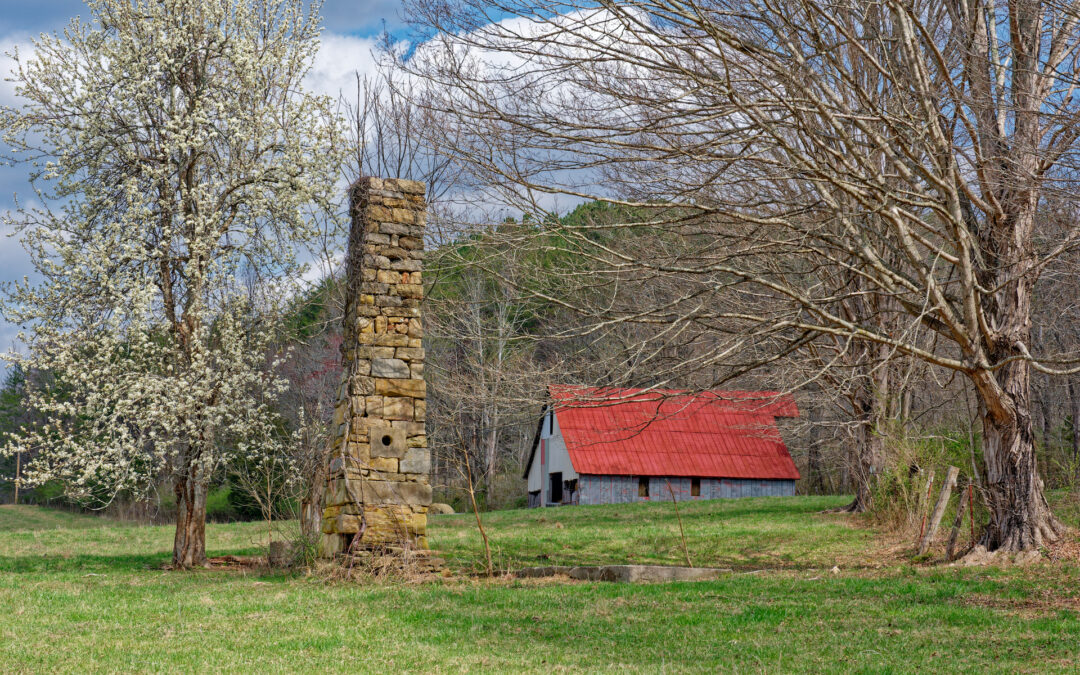
Homestead living without consumer lifestyle is fundamentally about embracing self-sufficiency and minimizing dependency on commercial products. This lifestyle encourages individuals to produce their own food, generate energy, and utilize resources in a sustainable manner. By prioritizing local solutions and hands-on skills, homesteaders can create a sustainable living environment that thrives on personal initiative rather than consumerism.
One of the most significant shifts in adopting this lifestyle is focusing on what you can produce yourself rather than purchasing from stores. Many homesteaders find that growing their own food not only provides fresher options but also reduces costs and environmental impact. Additionally, skills such as food preservation, animal husbandry, and renewable energy generation become essential in a self-sufficient homestead. However, it’s crucial to recognize the challenges, such as the initial investment in tools and the learning curve associated with new skills.
Growing Your Own Food
Growing your own food is the cornerstone of homestead living without a consumer lifestyle. It allows individuals to control what they eat and reduces reliance on grocery stores. Utilizing techniques such as permaculture, crop rotation, and companion planting can enhance productivity and sustainability.
Investing time in learning about soil health, pest management, and seasonal planting can yield significant benefits. Many homesteaders also explore methods like canning and dehydrating to preserve food for the off-season, ensuring they have access to homegrown produce year-round. The key is to start small and gradually expand your garden as you gain confidence and experience.
Energy Independence
Energy independence is another critical aspect of living on a homestead without consumer reliance. By harnessing renewable energy sources such as solar, wind, or hydroelectric power, homesteaders can significantly reduce their utility bills and environmental impact. Setting up a solar panel system, for example, can provide power for essential appliances and reduce the need for grid electricity.
It is important to assess your energy needs accurately and choose the right system that fits your lifestyle. Additionally, learning about energy-efficient practices and appliances can further enhance your homestead’s sustainability. While the initial setup may require investment, the long-term savings and benefits are substantial.
Skill Development and Community
Developing practical skills is essential for thriving in a homestead lifestyle. Skills such as woodworking, sewing, and animal care can reduce dependency on purchased goods. Many homesteaders find that joining local groups or online communities provides valuable resources, support, and shared knowledge.
Participating in workshops or classes can also enhance your skill set, allowing for a deeper understanding of sustainable practices. Collaboration with neighbors can lead to resource sharing, such as tools or labor, which fosters a sense of community and enhances resilience against challenges.

Challenges of Self-Sufficiency
While homestead living without consumer lifestyle offers many benefits, it also comes with challenges. Time management is critical, as self-sufficiency often requires significant effort and dedication. Balancing work, family, and homesteading tasks can be difficult, leading to potential burnout.
Moreover, initial costs for setting up systems, whether for gardening or energy production, can be daunting. Understanding your local climate and soil conditions is also essential, as these factors can greatly influence your success. It’s important to approach these challenges with patience, as the transition to a self-sufficient lifestyle is a gradual process.
Frequently Asked Questions
What are the benefits of homesteading without a consumer lifestyle?
Homesteading promotes self-sufficiency, reduces costs, and encourages sustainable living practices, leading to a healthier lifestyle.
How can I start growing my own food?
Begin with a small garden, focusing on easy-to-grow vegetables and herbs, and gradually expand as you gain experience.
What renewable energy sources are best for a homestead?
Solar and wind energy are popular choices, but the best option depends on your location and available resources.
What skills should I develop for self-sufficiency?
Consider learning gardening, food preservation, animal care, and basic construction skills to enhance your self-sufficiency.
How can I manage time effectively on a homestead?
Prioritize tasks, create a schedule, and consider enlisting help from family or community members to share the workload.
Conclusion
Homestead living without consumer lifestyle is a rewarding journey that fosters independence and sustainability. By focusing on growing your own food, achieving energy independence, and developing essential skills, you can create a fulfilling and self-reliant lifestyle. While challenges may arise, the long-term benefits of reducing reliance on consumer goods make it a worthwhile pursuit. Start small, be patient, and embrace the learning process as you transition into this enriching way of life.