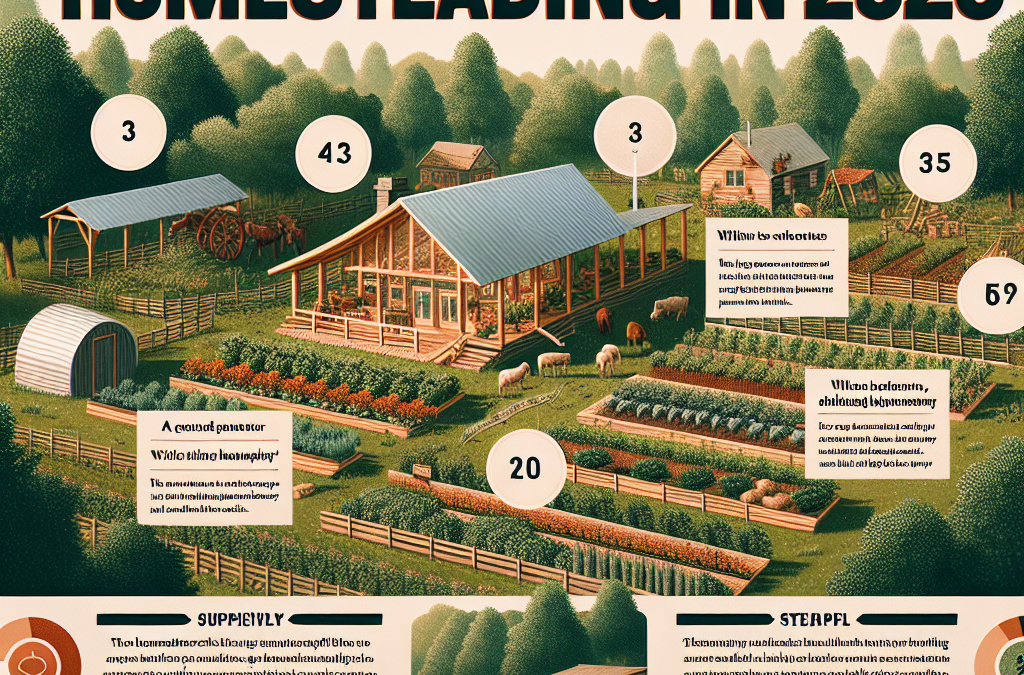
While a small homestead can thrive on just an acre, larger plots allow for more diverse operations, including livestock, extensive gardens, and energy production. Understanding these variables will help you make an informed decision about the right size for your needs.
When considering land for a homesteading lifestyle, it’s essential to evaluate your priorities and the specific activities you wish to pursue. For instance, if you plan to raise chickens and grow a substantial vegetable garden, a minimum of 1 to 2 acres is often recommended. However, if you envision a more extensive operation with larger livestock or multiple crop varieties, 5 acres or more may be necessary.
Assessing Your Needs and Goals
Identifying your specific needs and lifestyle goals is the first step in determining the amount of land required. Consider what activities you want to pursue, such as gardening, animal husbandry, or renewable energy. Each of these activities has different space requirements; for example, a small vegetable garden might only need a few hundred square feet, while raising goats might require an acre or more.
Additionally, reflect on your long-term aspirations. If you plan to grow your homestead over time, starting with a larger piece of land might be beneficial. It’s also important to consider how much time and effort you can realistically dedicate to maintaining your land and the associated projects.
Understanding Land Use Efficiency
Land use efficiency plays a critical role in maximizing the productivity of your homestead. Techniques such as permaculture design can help you optimize your space by integrating various systems that work together harmoniously. For example, planting fruit trees alongside vegetable gardens can create a microclimate that enhances growth and reduces resource consumption.
Moreover, employing vertical gardening or raised beds can significantly increase productivity on smaller plots. By understanding how to use your land effectively, you can achieve a higher yield without necessarily needing more acreage.
Local Regulations and Community Resources
Before acquiring land, it’s vital to research local zoning regulations and land use policies. These rules can dictate what activities are permissible and may affect your ability to raise animals, build structures, or operate a business from your property. Understanding the legal landscape will help you avoid costly mistakes and ensure compliance.
Additionally, connecting with local community resources, such as agricultural extension services or homesteading groups, can provide valuable insights and support. These resources can help you navigate local regulations and offer advice on best practices for your area.
Common Mistakes to Avoid
Many aspiring homesteaders make common mistakes that can hinder their success. One major pitfall is underestimating the amount of land needed for their desired lifestyle. It’s essential to anticipate future needs rather than just focusing on immediate requirements.

Another common mistake is neglecting to consider local environmental factors, such as soil quality and water access. Conducting soil tests and assessing water availability before purchasing land can prevent future challenges and ensure your homestead thrives.
For additional resources on sustainable living and land management, consider exploring local agricultural publications and online forums dedicated to homesteading practices. Engaging with experienced homesteaders can provide practical advice tailored to your specific situation.
Frequently Asked Questions
What is the minimum land size for a small homestead?
A minimum of 1 to 2 acres is often recommended for a small homestead, allowing space for a garden and a few animals.
How much land do I need for raising livestock?
The land required for livestock varies; for example, one to two acres can support a few chickens, while larger animals like goats may need at least an acre each.
Can I homestead on less than an acre?
Yes, it is possible to homestead on less than an acre by utilizing space-efficient methods like container gardening and vertical farming.
What are the zoning requirements for homesteading?
Zoning requirements vary by location; it’s crucial to check local regulations regarding land use, livestock, and building codes before purchasing property.
How can I maximize productivity on a small homestead?
Maximizing productivity can be achieved through techniques like permaculture, raised beds, and companion planting, which enhance land efficiency.
Conclusion
To wrap up, the amount of land needed for a sustainable lifestyle varies widely based on personal goals and practices. Start by assessing your specific needs and consider the efficiency of your land use. Be mindful of local regulations and avoid common pitfalls to set your homestead up for success. By prioritizing your aspirations and making informed decisions, you can create a thriving living space that meets your lifestyle ambitions.