
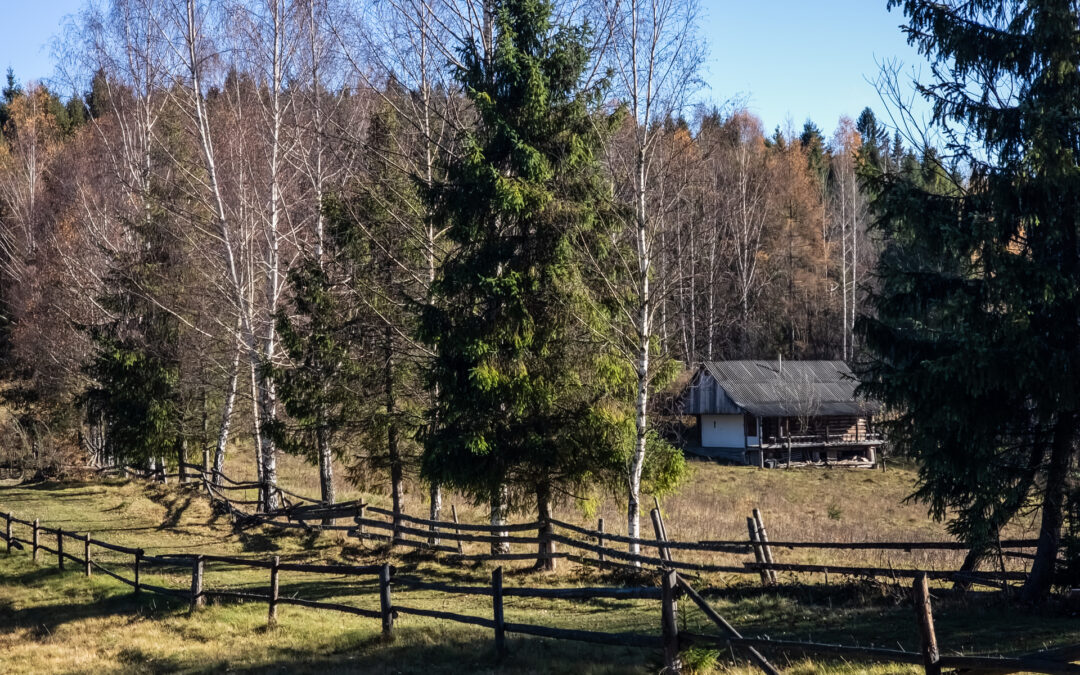
Effective methods to prevent burnout include setting clear boundaries between work and personal time, utilizing tools for task organization, and implementing regular breaks. Homesteaders often face the risk of overcommitting to various tasks, leading to stress and exhaustion. Recognizing the signs of burnout early allows for timely adjustments to routines, ensuring that both productivity and well-being are maintained.
Common mistakes in homesteading workflows include neglecting personal needs and failing to delegate tasks. Many individuals may feel compelled to manage every aspect of their homestead, which can lead to feelings of isolation and overwhelm. Prioritizing mental health by integrating self-care practices, such as mindfulness or leisure activities, can significantly enhance overall productivity.
Establishing a Structured Routine
Creating a structured routine is a foundational step in preventing burnout on a homestead. A well-defined schedule allows individuals to allocate specific times for chores, maintenance, and personal activities. This predictability not only enhances productivity but also provides a sense of control, which is critical for mental well-being.
To establish an effective routine, start by identifying essential tasks and categorizing them into daily, weekly, and monthly activities. Consider using planners or digital tools to visualize your schedule. Regularly reassess your routine to ensure it remains realistic and adaptable to changing circumstances.
Homesteaders often overlook the importance of flexibility within their routines. While structure is vital, allowing for spontaneous activities or rest days can rejuvenate enthusiasm and prevent feelings of monotony. Balance between structure and flexibility will ultimately contribute to a more sustainable workflow.
Task Management Techniques
Effective task management techniques are crucial for maintaining momentum and reducing the risk of burnout. Techniques such as prioritization and time blocking can help streamline daily activities. Prioritizing tasks based on urgency and importance ensures that critical responsibilities are addressed promptly.
Time blocking involves dedicating specific time slots to particular tasks, which can minimize distractions and enhance focus. For example, setting aside mornings for garden work and afternoons for animal care can create a clear division of responsibilities. This method can also facilitate better work-life balance, as it allows for uninterrupted personal time.
Many homesteaders may struggle with overcommitting or underestimating the time required for tasks. By realistically assessing how long tasks will take and adjusting schedules accordingly, individuals can avoid the trap of unrealistic expectations. This approach fosters a more manageable workflow and reduces stress.
The Importance of Delegation
Delegation is a powerful strategy in a homestead workflow that prevents burnout. Sharing responsibilities with family members or community members can lighten the load and foster collaboration. Effective delegation not only enhances productivity but also encourages teamwork and strengthens relationships.
To delegate effectively, clearly communicate expectations and provide necessary guidance. Identify tasks that can be entrusted to others, such as gardening, maintenance, or animal care. This not only helps distribute the workload but also empowers others to contribute, creating a sense of shared ownership over the homestead.

However, many homesteaders may hesitate to delegate due to concerns about quality or control. It is important to recognize that allowing others to take on responsibilities can lead to diverse approaches and solutions, ultimately benefiting the homestead. Embracing this principle can significantly reduce the stress of managing every task alone.
Incorporating Self-Care Practices
Integrating self-care practices into a homesteading workflow is essential for maintaining mental and physical health. Self-care can take various forms, including mindfulness activities, exercise, or simply taking time to relax. By prioritizing personal well-being, individuals can enhance their ability to manage homestead responsibilities effectively.
Incorporating short breaks throughout the day for activities such as stretching, meditation, or enjoying nature can reduce stress and improve focus. Setting aside time for hobbies or social activities is equally important, as these pursuits can provide a necessary mental break from daily tasks.
Homesteaders often underestimate the impact of self-care on overall productivity. Regularly engaging in self-care practices can recharge energy levels and enhance creativity, leading to improved problem-solving and decision-making capabilities. Prioritizing mental health is not just beneficial for the individual; it also positively influences the entire homestead environment.
Further Reading
Authoritative Sources
- Homesteading for Beginners
example.comThis resource provides comprehensive information on setting up a successful homestead while maintaining balance and avoiding burnout
Frequently Asked Questions
What are the signs of burnout in homesteading?
Signs of burnout include chronic fatigue, irritability, decreased motivation, and feeling overwhelmed by daily tasks.
How can I balance homesteading responsibilities with personal time?
Establish a structured routine, prioritize tasks effectively, and include breaks to ensure personal time is respected.
Is it necessary to delegate tasks on a homestead?
Yes, delegation helps distribute the workload, fosters teamwork, and prevents burnout by allowing others to share responsibilities.
What self-care practices are beneficial for homesteaders?
Mindfulness activities, regular exercise, and engaging in hobbies are effective self-care practices that can enhance overall well-being.
How often should I reassess my homestead routine?
Reassessing your routine regularly, at least every few months, ensures it remains effective and adaptable to changing circumstances.
Conclusion
Implementing a homestead workflow that prevents burnout is crucial for long-term sustainability and well-being. By establishing structured routines, effectively managing tasks, delegating responsibilities, and incorporating self-care practices, individuals can create a balanced homesteading experience. Prioritizing mental health alongside productivity not only enhances personal satisfaction but also fosters a thriving homestead environment. Moving forward, focus on what truly matters, and make adjustments as needed to maintain both productivity and personal well-being.


