To successfully transition into homestead living, it’s crucial to prioritize what aspects of self-sufficiency are most relevant to your circumstances. For example, consider your available land, local climate, and existing skills. Many new homesteaders mistakenly believe they need to achieve complete independence immediately, leading to burnout or frustration. Instead, focus on incremental improvements, starting with small projects that yield immediate benefits.
Common pitfalls include underestimating the time and effort required for sustainable living practices or overcommitting to projects that are beyond one’s current capabilities. Prioritizing manageable goals and gradually expanding your skill set will lead to a more sustainable and enjoyable homesteading experience.
Understanding Self-Sufficiency
Self-sufficiency is the cornerstone of homestead living without a consumer lifestyle. It involves creating a sustainable ecosystem where all basic needs are met through personal effort rather than commercial means. This concept encourages individuals to grow their own food, manage waste responsibly, and harness natural resources effectively.
One of the primary benefits of self-sufficiency is the reduction in carbon footprint associated with food transportation and packaging. By growing your own produce, you not only control what goes into your food but also contribute to a more sustainable environment. However, transitioning to a self-sufficient lifestyle requires careful planning and dedication to learning new skills.
Many aspiring homesteaders overlook the importance of community support. Building connections with local farmers, attending workshops, and joining homesteading groups can provide invaluable resources and knowledge. Prioritizing these connections can significantly enhance your self-sufficiency journey.
Essential Skills for Homesteading
Successful homesteading requires a diverse skill set, including gardening, animal husbandry, and basic construction. Gardening is foundational as it provides fresh produce and teaches essential principles of soil health and crop rotation.
Animal husbandry is another critical area, as raising livestock can supplement your food supply with eggs, milk, and meat. Understanding animal care, breeding, and pasture management can significantly enhance your self-sufficiency. Many newcomers underestimate the time commitment involved in caring for animals, which can lead to challenges if not properly managed.
In addition, practical skills such as woodworking, plumbing, and electrical work can save costs and increase independence. Prioritize learning these skills by starting with small projects that can gradually build your confidence and expertise.
Building a Sustainable Food System
A sustainable food system is vital for homestead living without a consumer lifestyle. This involves not only growing fruits and vegetables but also understanding how to preserve and store food effectively. Techniques such as canning, drying, and fermenting can extend the life of your harvest.
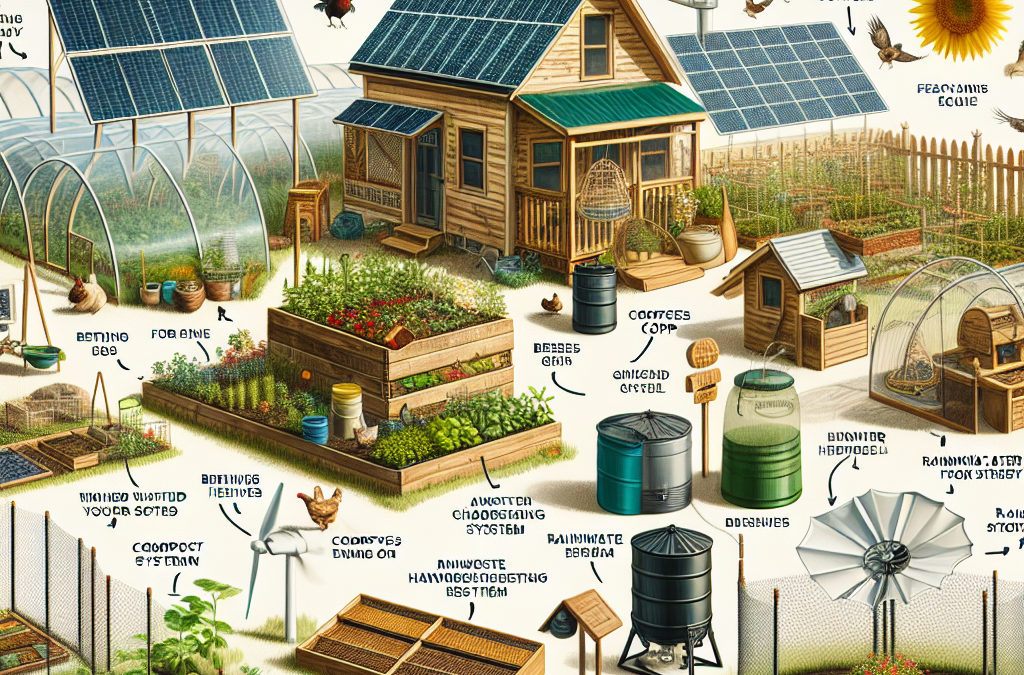
Implementing permaculture principles can further enhance your food system by creating a self-sustaining ecosystem that mimics natural processes. This approach can reduce the need for external inputs and improve soil fertility over time. Many people fail to realize the importance of soil health; focusing on composting and crop rotation can yield significant long-term benefits.
Additionally, consider integrating small livestock, such as chickens or rabbits, into your food system. They can provide valuable nutrients for your garden while also supplying food. Balancing crop and livestock needs is essential for a productive homestead.
Energy Independence on the Homestead
Energy independence is a crucial component of homestead living without a consumer lifestyle. By utilizing renewable energy sources such as solar, wind, or hydropower, you can significantly reduce reliance on the grid. Investing in energy-efficient appliances and systems can also lower your overall energy consumption.
Many homesteaders start with solar panels due to their relatively straightforward installation and immediate benefits. However, it’s essential to evaluate your energy needs and understand the costs associated with different systems. A common mistake is underestimating energy requirements, leading to inadequate systems that cannot meet your needs.

Prioritize energy audits and consult with experts to determine the best approach for your homestead. This can help you avoid costly mistakes and ensure that your energy solutions are sustainable and effective.
Mistakes to Avoid in Homestead Living
Transitioning to homestead living without a consumer lifestyle can be rewarding, but it’s essential to recognize common pitfalls. One major mistake is trying to do too much too quickly, which can lead to burnout. Start with manageable projects and gradually expand your efforts.
Another frequent error is neglecting to plan for seasonal changes. Many new homesteaders fail to consider how their efforts will adjust with the seasons, leading to challenges in food production and animal care. Understanding seasonal cycles is essential for successful homesteading.
In closing, avoid isolation by connecting with other homesteaders. Engaging with a community can provide support, resources, and shared knowledge that can greatly enhance your experience. Building relationships within the homesteading community can lead to collaboration and shared resources.
Further Reading
Authoritative Sources
- The Complete Book of Self-Sufficiency
example.comA comprehensive guide to self-sufficient living, covering essential skills and practices
- Permaculture: A Designer’s Manual
example.comThis book provides in-depth insights into creating sustainable ecosystems for food production
- Animal, Vegetable, Miracle
example.comA personal narrative that showcases the rewards and challenges of local and sustainable food sourcing
Frequently Asked Questions
What is homestead living without a consumer lifestyle?
It focuses on self-sufficiency, minimizing reliance on purchased goods and fostering independence through practices like gardening and renewable resource use.
How can I start homesteading?
Begin with small projects, such as starting a vegetable garden or raising chickens, to build your skills and confidence gradually.
What are common mistakes in homesteading?
Common mistakes include overcommitting to projects, neglecting seasonal changes, and failing to connect with the homesteading community.
What skills are essential for self-sufficiency?
Key skills include gardening, animal husbandry, basic construction, and food preservation techniques.
How can I achieve energy independence on my homestead?
Utilize renewable energy sources like solar or wind power, and invest in energy-efficient appliances to reduce reliance on the grid.
Conclusion
Homestead living without a consumer lifestyle is a fulfilling endeavor that promotes self-sufficiency and environmental stewardship. To succeed, focus on building essential skills, establishing a sustainable food system, and prioritizing energy independence. Avoid common pitfalls by starting small and engaging with the homesteading community. As you progress, remember that each step towards self-sufficiency contributes to a more resilient and sustainable lifestyle.