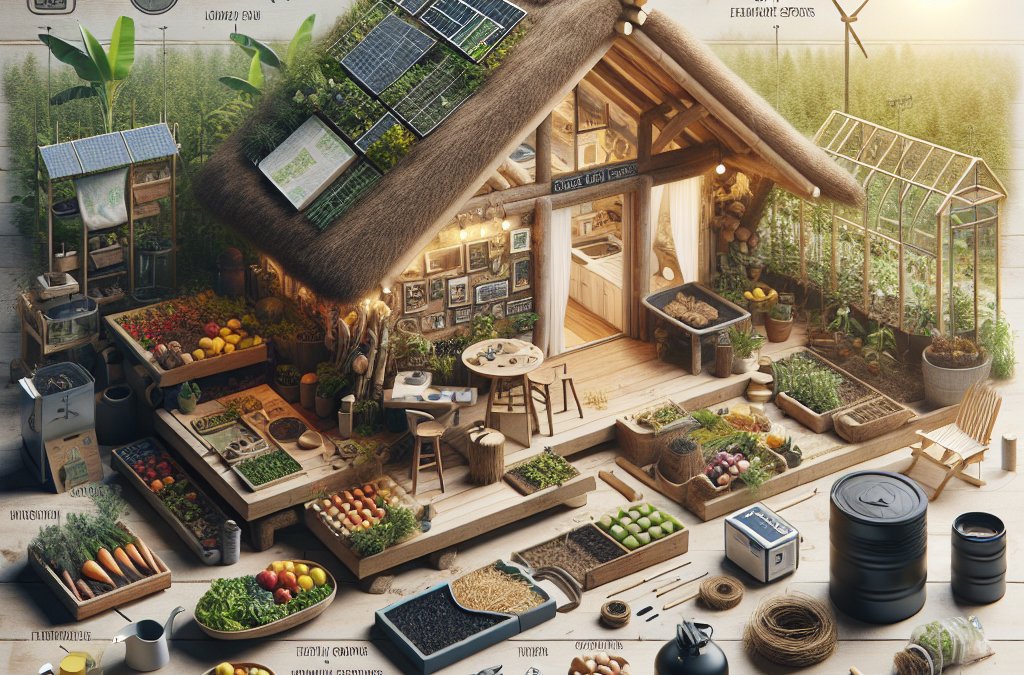
To achieve this lifestyle, it is crucial to identify the areas where modern conveniences can be replaced with self-sufficient alternatives. For instance, many people underestimate the benefits of growing their own vegetables and herbs, which not only provides healthy food options but also fosters a connection to nature. Additionally, investing in skills such as canning, sewing, and basic mechanics can empower individuals to address their needs without relying on commercial services.
Common mistakes when pursuing this lifestyle include underestimating the time and effort required to grow food or maintain a self-sufficient home. Many newcomers may also overlook the importance of community, which can provide essential support and resources. It’s vital to prioritize building connections with like-minded individuals who can share knowledge and assistance as you transition away from modern dependence.
Growing Your Own Food
Growing your own food is one of the most impactful steps toward living comfortably without modern dependence. It allows you to control what you eat, reduce grocery costs, and minimize your carbon footprint. A well-planned garden can yield a variety of fruits, vegetables, and herbs, providing fresh produce year-round.
When starting a garden, consider your local climate, soil quality, and the types of plants that thrive in your area. Many beginners make the mistake of planting too much too soon, leading to overwhelming maintenance and waste. Start small, focusing on a few easy-to-grow crops such as tomatoes, lettuce, and radishes, then expand as you gain confidence and experience.
Prioritizing companion planting can enhance your garden’s productivity while naturally deterring pests. Additionally, consider using organic practices to enrich the soil and promote biodiversity. This will not only yield healthier plants but also create a sustainable ecosystem that supports your gardening efforts.
Utilizing Renewable Energy
Transitioning to renewable energy sources is another crucial aspect of living without modern dependence. Solar panels, wind turbines, and other renewable technologies can significantly reduce reliance on traditional energy grids, ultimately lowering utility costs and environmental impact.
Investing in renewable energy can seem daunting due to the upfront costs and technical knowledge required. However, many communities offer incentives and grants to help offset these expenses. Research local programs that support renewable energy installations, and consider starting with small-scale solutions like solar-powered lights or water heaters before committing to larger systems.
It’s essential to evaluate energy needs accurately to determine the best renewable options. Many people overlook the importance of energy efficiency in their homes, which can drastically reduce energy consumption and costs. Simple upgrades, such as energy-efficient appliances and proper insulation, can complement renewable energy solutions and enhance overall sustainability.
Developing Practical Skills
Developing practical skills is vital for anyone looking to live comfortably without modern dependence. Skills such as cooking from scratch, sewing, and basic home repairs can empower you to meet your needs independently.
Many people underestimate the value of these skills, often relying on convenience foods and services that can be expensive and less healthy. Learning to cook using whole ingredients not only saves money but also promotes a healthier diet. Additionally, being able to mend clothes or fix household items reduces waste and fosters a sense of accomplishment.
Consider joining workshops or online courses to enhance your skill set. Many community centers offer classes in gardening, cooking, and crafting that can provide valuable hands-on experience. Networking with others interested in self-sufficiency can also lead to skill-sharing opportunities, enriching your learning journey.

Building a Supportive Community
Building a supportive community is essential for successfully living without modern dependence. Engaging with others who share similar values can provide encouragement, resources, and knowledge that facilitate a self-sufficient lifestyle.
Many people overlook the power of community gardens, local co-ops, and barter systems, which can enhance self-sufficiency and reduce reliance on commercial goods. Participating in local networks not only fosters relationships but also provides access to shared resources, such as tools and expertise.
Consider starting or joining a local group focused on sustainability and self-sufficiency. This can be an excellent way to exchange ideas, share resources, and support one another in your journey toward independence. Collaboration can lead to innovative solutions and a deeper sense of connection within your community.
Further Reading
Authoritative Sources
- How to Start a Garden
rodalesorganiclife.comThis resource provides step-by-step guidance on starting a garden, focusing on organic practices
- Renewable Energy Sources
energy.govA comprehensive overview of various renewable energy sources and how to implement them in your home
- Local Harvest
localharvest.orgA platform for finding local farms, farmers markets, and community-supported agriculture programs
Frequently Asked Questions
What are the first steps to living without modern dependence?
Start by assessing your current lifestyle and identifying areas where you can reduce reliance on modern conveniences, such as growing your own food and developing practical skills.
How can I grow my own food if I have limited space?
Consider container gardening or vertical gardening techniques, which allow you to maximize space while successfully growing vegetables and herbs.
What are the benefits of using renewable energy?
Renewable energy reduces your carbon footprint, lowers utility costs, and increases energy independence, making it a sustainable choice for the environment and your finances.
How can I develop practical skills for self-sufficiency?
Join community workshops, online courses, or local groups focused on skills like gardening, cooking, and basic repairs to build your knowledge and confidence.
Why is community important for self-sufficiency?
Community provides support, resources, and shared knowledge, making it easier to adopt a self-sufficient lifestyle and connect with others who share similar goals.
Conclusion
Living comfortably without modern dependence requires a commitment to self-sufficiency and resourcefulness. By growing your own food, utilizing renewable energy, developing practical skills, and building a supportive community, you can create a fulfilling lifestyle that prioritizes independence. Start small, and gradually expand your efforts, remembering that the journey toward self-sufficiency is as important as the destination. Focus on what matters most to you and take actionable steps to reduce your reliance on modern conveniences.