
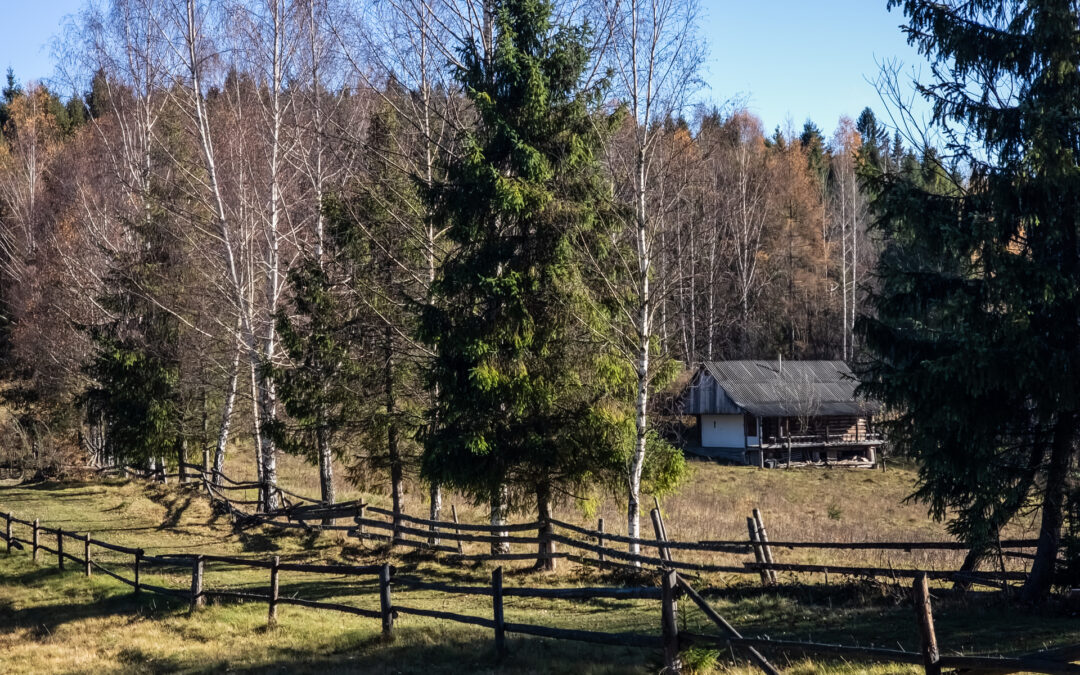
To successfully embrace this lifestyle, one must prioritize learning essential skills such as gardening, food preservation, and animal husbandry. Mistakes often stem from underestimating the time and effort required to maintain a homestead. Strategic planning is crucial to avoid overwhelming oneself and to ensure that resources are utilized efficiently.
Many aspiring homesteaders overlook the importance of community and local resources. Engaging with neighbors, local farmers, and agricultural extension services can provide valuable support and knowledge. This collaboration can enhance self-sufficiency and create a more resilient homesteading experience.
Essential Gardening Techniques
Effective gardening is the foundation of living simply on a small homestead. This involves understanding soil health, crop rotation, and companion planting to maximize yields. Soil health can be improved through composting and organic amendments, which not only nourish the plants but also reduce the need for synthetic fertilizers.
Many new gardeners make the mistake of planting too much at once or failing to plan their garden layout. It’s important to start small, focusing on high-yield crops that are suited to your climate. Additionally, learning the local growing season and using heirloom seeds can enhance resilience and adaptability.
Prioritizing native plants can also improve biodiversity and attract beneficial insects. This approach not only supports the ecosystem but can also lead to a more productive garden. Consider incorporating perennials to reduce the labor involved in replanting each season.
Livestock Management for Beginners
Raising livestock is a rewarding aspect of small homesteading, providing food and companionship. Chickens, goats, and rabbits are popular choices due to their manageable size and diverse benefits. Chickens, for example, offer eggs, pest control, and manure for compost.
Common pitfalls in livestock management include overstocking and neglecting animal welfare. It’s essential to provide adequate space, nutrition, and healthcare for your animals. Regular veterinary check-ups and vaccinations can prevent disease and ensure a thriving livestock population.
Engaging with local agricultural communities can provide insights into best practices and potential challenges. Networking with experienced homesteaders can help you avoid common mistakes and enhance your livestock management skills.
Food Preservation Methods
Food preservation is critical for maximizing the harvest and ensuring food security throughout the year. Techniques like canning, freezing, and dehydrating allow homesteaders to store surplus produce effectively. Each method has its advantages and is suited to different types of food.
Many new homesteaders underestimate the importance of proper food preservation techniques, leading to spoilage and waste. Understanding the science behind food preservation, including acidity levels and temperature control, can significantly impact the quality of preserved goods.
Investing in quality equipment, such as pressure canners or dehydrators, can streamline the preservation process. Additionally, learning local regulations regarding food preservation and safety can prevent legal issues and enhance the quality of your preserved foods.

Building a Sustainable Homestead Community
Creating a supportive community is vital for successful homesteading. Engaging with neighbors and participating in local farming groups can provide shared resources, knowledge, and encouragement. Community engagement fosters resilience and can lead to collaborative projects, such as seed exchanges or cooperative farming.
Many homesteaders fail to leverage community resources, which can lead to isolation and burnout. By connecting with others, you can share labor, tools, and expertise, making the homesteading journey more enjoyable and sustainable.
Consider hosting workshops or participating in local fairs to build connections. These events can also serve as platforms to share your knowledge and learn from others, strengthening the local homesteading network.
Further Reading
Authoritative Sources
- Cooperative Extension System
extension.orgA reliable resource for agricultural education and information on sustainable practices
- USDA National Agricultural Library
nal.usda.govProvides extensive resources on farming, gardening, and food preservation techniques
- LocalHarvest
localharvest.orgA directory of local farms and community-supported agriculture (CSA) programs
Frequently Asked Questions
What are the first steps to start a small homestead?
Begin by assessing your land, setting clear goals, and starting with manageable projects like a small garden or a few chickens.
How much land do I need for a small homestead?
While even a small plot can support a homestead, 1-5 acres is often ideal for growing food and raising a few animals.
What are the best crops for beginners?
Start with easy-to-grow crops like tomatoes, lettuce, and radishes, which have shorter growing seasons and provide quick results.
How do I preserve food from my homestead?
Common methods include canning, freezing, and dehydrating, each suitable for different types of produce.
Can I homestead without prior experience?
Yes, many successful homesteaders start without experience. Learning through research, community, and hands-on practice is key to success.
Conclusion
Living simply on a small homestead requires careful planning, a willingness to learn, and community engagement. Focus on developing essential skills like gardening and livestock management while utilizing local resources. Remember to start small and grow your homesteading efforts over time. This approach will help you build a sustainable lifestyle that nurtures both yourself and the environment.


