
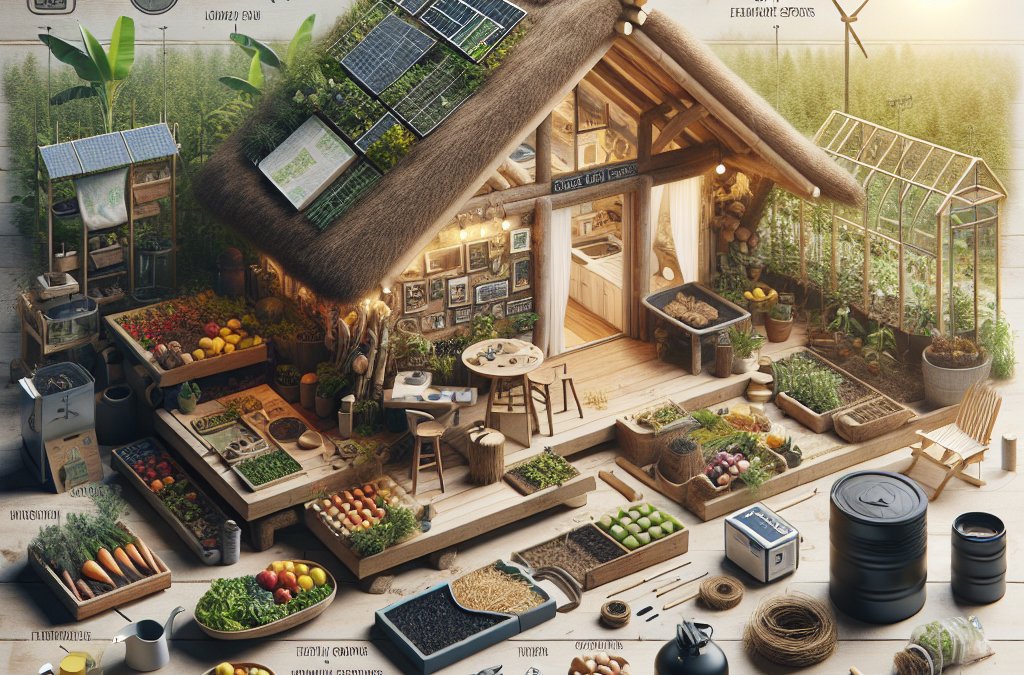
To effectively embrace frugal living on a homestead, it is crucial to prioritize essential skills such as gardening, food preservation, and resource management. Many individuals overlook the importance of learning these skills, assuming that they can rely on convenience. However, investing time in cultivating a garden and learning to can or dehydrate food not only saves money but also enhances self-reliance. Moreover, understanding the costs associated with store-bought goods versus homegrown produce can provide a clearer perspective on the benefits of this lifestyle.
A common mistake is underestimating the initial setup costs of homesteading. While it may seem daunting, many frugal homesteaders start small, gradually building their resources and skills over time. Consider beginning with a few raised beds or a small herb garden. As you gain confidence and knowledge, you can expand your efforts to include raising chickens for eggs or even larger crops. This gradual approach helps mitigate financial strain while allowing you to learn and adapt as you go.
Growing Your Own Food
Growing your own food is a cornerstone of frugal living the homestead way. By cultivating a garden, you can significantly reduce grocery bills while enjoying fresher and healthier produce. This practice not only saves money but also fosters a connection with the food you consume.
When planning your garden, focus on crops that provide maximum yield for minimal effort. Vegetables like tomatoes, zucchini, and beans are excellent for beginners due to their hardy nature and high production rates. Additionally, consider planting perennials such as asparagus or rhubarb, which can provide harvests for years with little maintenance.
Many new gardeners make the mistake of overextending themselves by planting too many different crops at once. Start with a manageable selection and gradually expand as you gain experience. Remember that learning about soil health, pest management, and seasonal planting is as important as the actual planting process. Investing time in these areas will yield better results and reduce frustration.
Preserving Resources
Resource preservation is key to maximizing the benefits of a homestead. This includes not only food preservation methods but also water and energy conservation techniques. By reducing waste and reusing materials, you can lower your overall expenses.
Common food preservation methods include canning, freezing, and dehydrating. Each technique has its advantages depending on the type of produce and your storage capabilities. For instance, canning is ideal for high-acid foods like tomatoes, while freezing works well for many other vegetables. Learning these methods ensures that your harvest lasts longer and minimizes food waste.
One often overlooked aspect of resource preservation is water management. Collecting rainwater and implementing drip irrigation systems can significantly reduce water costs. Many homesteaders underestimate the impact of water conservation on their overall budget, leading to higher expenses than necessary. Prioritizing efficient water use will enhance sustainability and reduce costs.
Reducing Waste
Reducing waste is a fundamental principle of frugal living the homestead way. This involves not only minimizing food waste but also finding creative ways to repurpose materials and products around your home. By adopting a zero-waste mindset, you can further decrease expenses and contribute to a more sustainable lifestyle.
Composting is an excellent way to reduce food waste while enriching your garden soil. By composting kitchen scraps and yard waste, you create nutrient-rich soil that supports healthy plant growth. Moreover, using biodegradable materials for gardening, such as cardboard and newspaper, can help reduce the need for chemical fertilizers.

Many people fail to recognize the potential of repurposing. Items such as glass jars can serve as storage containers, while old clothing can be transformed into rags or compost. By viewing waste through a lens of creativity, you can save money and reduce your environmental impact.
Building Community Connections
Building connections within your community can enhance your frugal living experience on the homestead. Engaging with neighbors and local farmers can provide valuable resources, knowledge, and support. This collaboration can lead to shared resources, seed exchanges, and even cooperative buying groups.
Participating in local farmers’ markets or community gardens can also offer opportunities to learn from others and share your own experiences. Many homesteaders find that community ties not only improve their knowledge base but also create a support network that helps them navigate challenges.
A common mistake is isolating oneself while pursuing a homesteading lifestyle. Embracing community involvement not only enriches your experience but also opens doors to valuable resources that can enhance your frugal living journey. Remember, collaboration often leads to innovative solutions and shared successes.
Further Reading
Authoritative Sources
- MedlinePlus
medlineplus.govConsumer-friendly medical and health information from the U.S. National Library of Medicine.
- National Institutes of Health
nih.govResearch-based health information and links to authoritative medical resources.
- Centers for Disease Control and Prevention
cdc.govOfficial public health guidance, prevention resources, and topic-specific recommendations.
- Mayo Clinic
mayoclinic.orgTrusted clinical guidance, symptom explainers, and treatment overviews.
- World Health Organization
who.intGlobal health guidance, fact sheets, and evidence-based public health information.
Frequently Asked Questions
What are the first steps to start frugal living on a homestead?
Begin by assessing your current resources, setting realistic goals, and starting a small garden. Focus on learning essential skills like food preservation and resource management.
How can I preserve food effectively?
Utilize methods such as canning, freezing, and dehydrating to extend the shelf life of your harvest and reduce waste.
What are some common mistakes in homesteading?
Overextending yourself by planting too many crops or underestimating initial setup costs can lead to frustration. Start small and gradually expand your efforts.
How can I reduce waste in my homesteading efforts?
Implement composting for food scraps, repurpose materials, and adopt a zero-waste mindset to minimize waste and save money.
Why is community involvement important in homesteading?
Building connections within your community can provide support, resources, and knowledge that enhance your homesteading experience.
Conclusion
Frugal living the homestead way is about integrating sustainable practices into your daily life to maximize savings and self-sufficiency. Start by growing your own food, preserving resources, and reducing waste. Engage with your community to foster connections that can enhance your journey. By prioritizing these strategies, you can create a resilient and fulfilling lifestyle that not only saves you money but also contributes to a healthier planet. As you embark on this path, remember that progress takes time, so be patient and enjoy the journey.


