
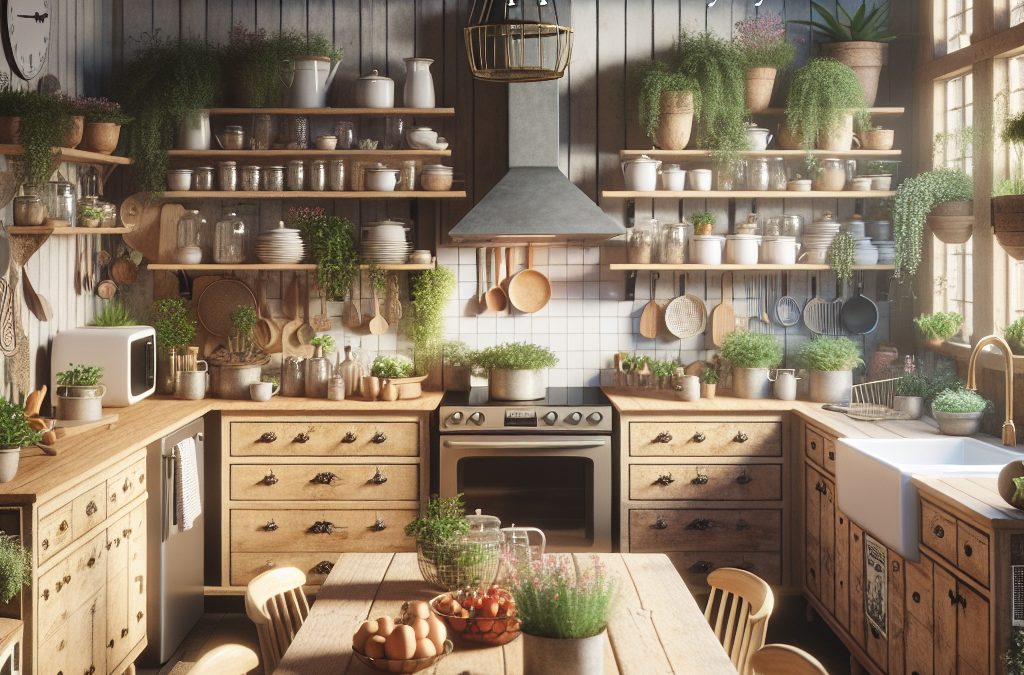
Incorporating herbal medicine into a homestead requires an understanding of local flora, preparation methods, and the specific health benefits each plant offers. This approach not only promotes physical health but also supports a homesteader’s lifestyle by minimizing costs associated with conventional healthcare. However, it’s essential to recognize potential pitfalls, such as misidentifying plants or neglecting dosage guidelines, which can lead to ineffective or harmful outcomes.
Additionally, many homesteaders overlook the importance of proper harvesting and storage techniques, which are vital for maintaining the potency of herbal remedies. Failing to educate oneself on these aspects can diminish the effectiveness of the herbs used and waste valuable resources.
Common Herbs for Homestead Medicine
Many herbs thrive in a homestead environment and can serve various medicinal purposes. Common examples include chamomile for digestive issues, echinacea for immune support, and calendula for skin healing. Each herb has specific properties that can address different health concerns, making them valuable additions to a homesteader’s toolkit.
Understanding the characteristics of these herbs allows for more effective use in treating ailments. For instance, chamomile can be brewed as a tea to soothe upset stomachs, while echinacea can be taken as a tincture to enhance immunity during cold seasons. However, misidentification of plants can lead to adverse effects, so proper education and resources are essential.
Homesteaders should prioritize cultivating a diverse range of herbs to ensure they have a well-rounded medicinal garden. This diversity not only aids in treating various conditions but also contributes to a more resilient homestead ecosystem.
Preparation and Usage Methods
Preparing herbal remedies can involve various methods, including infusions, tinctures, salves, and poultices. Each method has its advantages and applications, depending on the desired outcome. For example, tinctures are potent extracts that can be used for long-term storage, while infusions are ideal for quick relief.
Knowing how to properly prepare these remedies is crucial for maximizing their effectiveness. For instance, steeping herbs too briefly may result in a weak infusion, while overheating can destroy active compounds. Additionally, understanding dosage is vital; many herbs have specific recommendations that should not be overlooked to avoid negative reactions.
Homesteaders should experiment with different preparation methods to find what works best for them and their specific health needs. Keeping detailed notes on experiences with each remedy can help refine their approach over time.
Safety and Effectiveness Considerations
While herbal medicine can be beneficial, it’s essential to consider safety and effectiveness. Not all herbs are suitable for everyone, and potential interactions with medications must be accounted for. Consulting with a healthcare professional familiar with herbal medicine is advisable to avoid adverse reactions.

Additionally, improper harvesting and storage can compromise the effectiveness of herbal remedies. For instance, herbs should be dried in a dark, well-ventilated area and stored in airtight containers to preserve their potency. Many homesteaders overlook these details, leading to diminished results when using their remedies.
Awareness of individual health conditions and the specific properties of each herb is critical. Prioritizing education on herbal medicine can empower homesteaders to make informed decisions about their health and well-being.
Further Reading
Authoritative Sources
- The Herbal Medicine-Maker’s Handbook
example.comA comprehensive guide for those interested in making their own herbal remedies, covering various preparation methods and safety considerations
- Herbal Medicine: A Guide for Health-Conscious Living
example.comThis resource provides insights into the benefits and uses of common herbs in daily life
Frequently Asked Questions
What is herbal medicine?
Herbal medicine involves using plants and plant extracts for medicinal purposes, providing natural remedies for various health conditions.
Can anyone use herbal remedies?
While many people can benefit from herbal remedies, individuals with specific health conditions or those taking certain medications should consult a healthcare professional before use.
How do I prepare herbal remedies?
Preparation methods vary, including infusions, tinctures, and salves, each suited for different applications and potencies.
Are herbal remedies safe?
Herbal remedies can be safe; however, proper identification, dosage, and preparation are crucial to avoid adverse effects.
Where can I learn more about herbal medicine?
Numerous resources, including books and online courses, offer valuable information on herbal medicine practices and safety guidelines.


