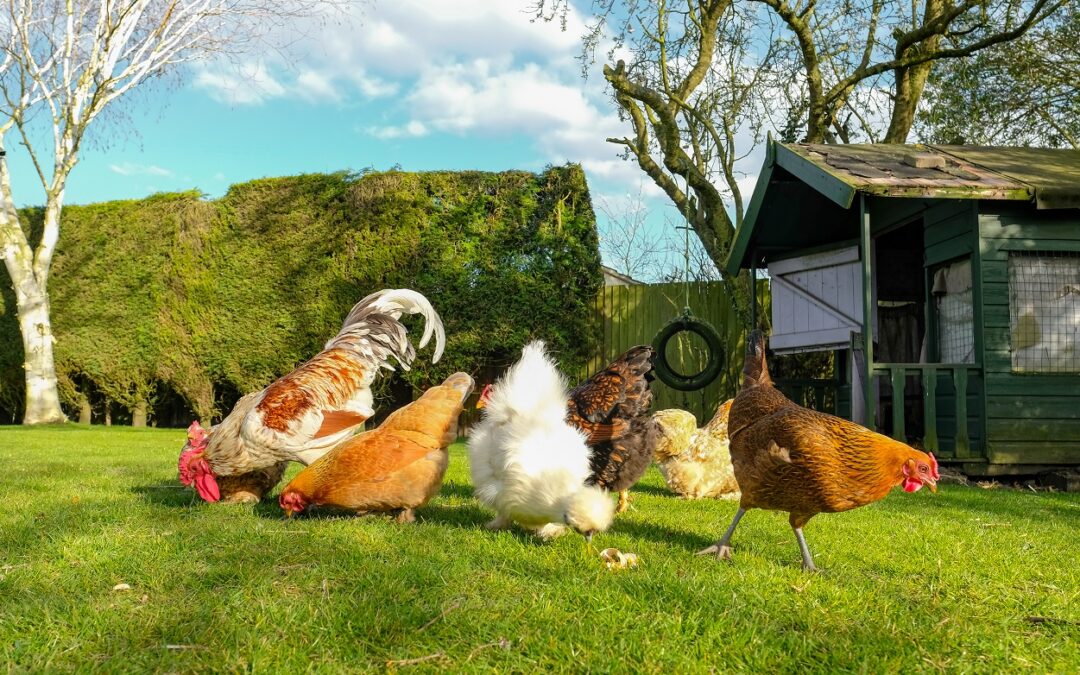
One key aspect of this lifestyle is the recognition that daily homestead tasks can be spiritual exercises. For instance, planting seeds not only serves a practical purpose but can also symbolize hope and renewal. This perspective encourages individuals to view their homestead as a sacred space where faith and daily living coexist harmoniously. It’s important to prioritize this mindset as it can transform mundane chores into meaningful rituals.
Many people overlook the significance of setting intentions before engaging in homestead activities. This practice can enhance focus and foster a sense of gratitude. By taking a moment to reflect on the purpose behind each task, whether it’s tending to a garden or caring for livestock, individuals can cultivate a deeper appreciation for their work and its impact on their community and environment.
Integrating Faith into Daily Routines
Integrating faith into daily routines on the homestead involves recognizing that each task has spiritual significance. Simple actions like feeding animals or harvesting crops can be approached with a mindset of gratitude and mindfulness. This engagement transforms routine chores into spiritual practices that align with one’s values and beliefs.
For example, dedicating time to pray or meditate before starting work creates a space for reflection and intention-setting. This practice not only enhances focus but also fosters a sense of purpose in daily activities. Readers should be aware that without this intentionality, daily tasks may feel burdensome rather than fulfilling, leading to burnout or disconnection from their spiritual roots.
Moreover, incorporating scripture or affirmations into daily routines can serve as reminders of faith. Many homesteaders find that reciting a passage while working in the garden helps anchor their thoughts and reinforces their commitment to living a faith-driven life. This can be particularly empowering during challenging times, reminding individuals of their values and the greater purpose behind their efforts.
Creating a Spiritual Homestead Environment
Creating a spiritual homestead environment involves designing spaces that reflect one’s values and beliefs. This can be achieved through thoughtful landscaping, creating prayer or meditation areas, and incorporating symbols of faith throughout the property. Such elements can reinforce a sense of peace and connection to the divine.
For instance, establishing a prayer garden with native plants can serve as a sanctuary for reflection and connection. Incorporating elements such as a small altar or stones with meaningful inscriptions can further enhance this space. However, it is crucial to maintain these areas regularly, as neglect can lead to feelings of disconnection or frustration.
Additionally, engaging family members in the process of creating these spaces can promote unity and shared purpose. Involving children in planting or decorating a prayer area not only teaches them about faith but also instills a sense of responsibility and stewardship for the environment. This collaborative effort can deepen family bonds and create lasting memories.
The Role of Community in Faith and Homesteading
Community plays a vital role in the intersection of faith and homesteading. Engaging with like-minded individuals fosters support and encouragement, making the journey more fulfilling. Community gatherings, whether formal or informal, can provide opportunities for sharing experiences, resources, and spiritual growth.
Participating in local church activities or homesteading groups can help individuals connect with others who share similar values. These interactions can lead to collaborative projects, such as community gardens or shared resources, which not only enhance sustainability but also strengthen community ties. However, it’s essential to approach these relationships with openness and respect for diverse perspectives, as misunderstandings can arise.

Moreover, volunteering for community service projects can be a powerful way to express faith through action. Contributing time and resources to help others not only fulfills a spiritual obligation but also creates a sense of interconnectedness within the community. This engagement can be particularly rewarding, as it reflects the core values of faith and service.
Challenges and Misconceptions
While the integration of faith and homestead living offers numerous benefits, there are challenges and misconceptions that can hinder progress. One common misconception is that faith-based living requires perfection or an unrealistic level of commitment. In reality, it is about progress and the intention behind actions.
Many individuals may struggle with guilt over not measuring up to their ideals, which can lead to discouragement. It’s important to recognize that faith is a journey, and setbacks are a natural part of growth. Acknowledging this can help individuals cultivate self-compassion and resilience in their homesteading efforts.
Additionally, some may believe that spirituality and practical tasks are mutually exclusive. However, finding ways to merge these aspects can enhance both the spiritual and practical dimensions of homesteading. Readers should focus on small, consistent practices rather than striving for an unattainable standard, allowing space for growth and learning.
Further Reading
Authoritative Sources
- Resource Title
example.comThis resource provides valuable insights into the principles of faith-based living and homesteading
Frequently Asked Questions
How can I incorporate faith into my daily homesteading tasks?
Start by setting intentions before tasks, using prayer or reflection to connect your actions to your spiritual beliefs.
What are some common misconceptions about faith and homesteading?
Many believe that spiritual living requires perfection, but it is more about intention and progress than achieving a standard.
How can community support my faith and homesteading journey?
Engaging with local groups can provide support, resources, and collaborative opportunities that enhance both faith and sustainability.
What role does gratitude play in homesteading?
Practicing gratitude can transform mundane tasks into meaningful experiences, enhancing overall fulfillment in homesteading.
How can I create a spiritual space on my homestead?
Designate areas for reflection or prayer, incorporating elements that resonate with your beliefs, like altars or prayer gardens.
Conclusion
Incorporating faith into homestead daily living offers a powerful approach to blending spirituality with practical self-sufficiency. By recognizing the sacredness in everyday tasks and fostering a supportive community, individuals can deepen their connection to both their work and their beliefs. Prioritizing intention and gratitude can transform routine chores into enriching experiences, ultimately leading to a more fulfilling and purpose-driven life. As you navigate this journey, remember that progress is key, and embracing imperfections can open the door to growth and deeper spiritual connections.