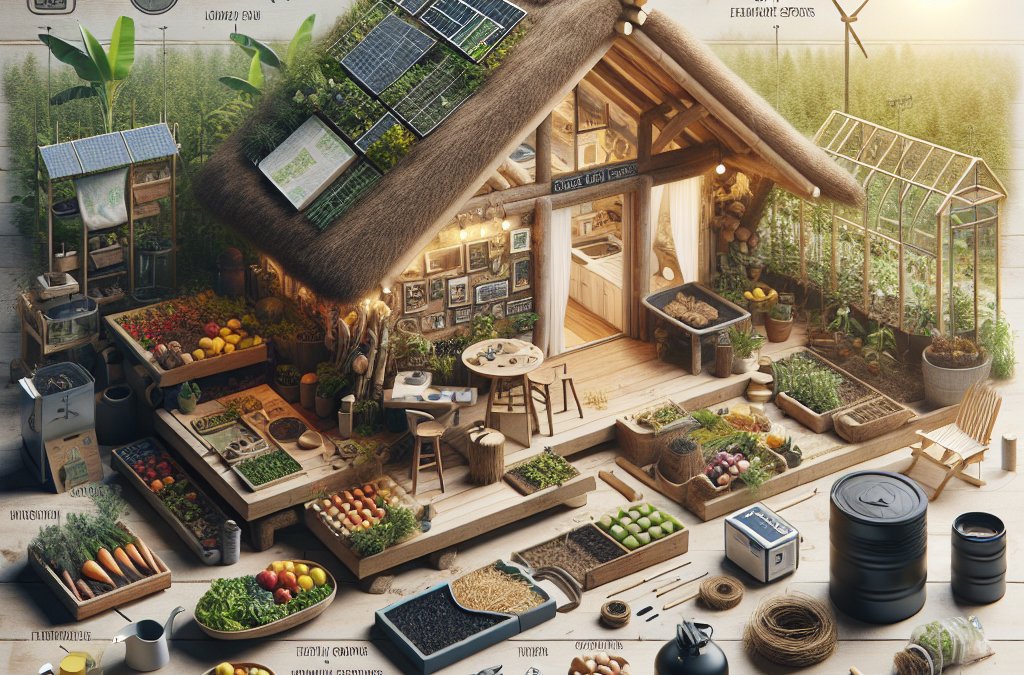
Homestead living without a consumer lifestyle invites individuals to embrace self-sufficiency and sustainability, creating a life that is both enriching and environmentally conscious. This lifestyle emphasizes growing your own food, raising livestock, and utilizing renewable resources, all while minimizing dependence on commercial products. By prioritizing these values, individuals can cultivate a sense of independence and fulfillment that modern consumer culture often undermines.
However, embarking on this journey requires careful consideration of practical challenges. Many people mistakenly believe that homesteading is solely about farming or gardening; in reality, it encompasses a broader spectrum of practices, including energy management, waste reduction, and community engagement. Understanding these complexities is crucial for anyone looking to transition away from consumerism, as misaligned expectations can lead to frustration and disillusionment.
Building a Sustainable Homestead
Creating a sustainable homestead begins with understanding your environment and available resources. This includes assessing soil quality, water sources, and climate conditions to determine what can be grown or raised effectively. The goal is to create a self-sustaining ecosystem where plants, animals, and humans coexist harmoniously.
Many aspiring homesteaders overlook the importance of planning. A successful homestead is not just about what you grow but how you integrate various systems. For example, rotational grazing can improve soil health while providing livestock with fresh pasture. Understanding relationships within your homestead will help avoid pitfalls and enhance productivity.
Reducing Dependency on Consumer Products
Transitioning to a lifestyle that minimizes consumer dependency involves changing purchasing habits and embracing a do-it-yourself mentality. This can include everything from making cleaning supplies to repairing clothing, thus fostering a sense of resourcefulness.
Common mistakes include underestimating the time needed for these projects and overestimating initial savings. Many individuals find that while DIY projects can save money, they also require a substantial time investment and a learning curve that can lead to frustration. Prioritizing which areas to tackle first based on necessity and skill level can enhance the transition process.
Community and Collaboration in Homesteading
Homestead living thrives on community interaction. Engaging with neighbors and local farmers can provide invaluable support and resources. Sharing skills, such as canning or animal husbandry, can create a network of mutual aid that strengthens the homesteading experience.
However, isolation is a common challenge for those pursuing this lifestyle. Many new homesteaders may feel overwhelmed and alone in their journey. Actively seeking community involvement through local workshops or online forums can help mitigate these feelings and offer practical solutions to common challenges.

Overcoming Common Homesteading Challenges
Despite the rewards, homesteading comes with its challenges, such as pests, weather variability, and resource management. Developing resilience through knowledge and adaptability is key. Understanding local ecosystems and developing strategies for pest control or crop rotation can prevent many issues before they arise.
Many people assume that homesteading is a straightforward path to self-sufficiency, but it often involves trial and error. Recognizing that setbacks are part of the learning process can help maintain motivation. Engaging with experienced homesteaders can provide insights into effective practices and common pitfalls to avoid.
Further Reading
For those interested in delving deeper into homestead living without a consumer lifestyle, consider exploring local agricultural extension programs or community classes that focus on sustainable practices. Numerous online resources also provide valuable insights and tutorials on relevant skills.
Frequently Asked Questions
What is homestead living without a consumer lifestyle?
This lifestyle emphasizes self-sufficiency, resourcefulness, and sustainable practices while minimizing reliance on commercial products.
How can I start homesteading?
Begin by assessing your space and resources, then prioritize what skills or systems you want to develop first, such as gardening or animal husbandry.
What are common challenges in homesteading?
Challenges include managing pests, unpredictable weather, and the learning curve associated with new skills.
How can community help in homesteading?
Community support can provide shared resources, knowledge, and motivation, helping individuals overcome obstacles and enhance their homesteading experience.
What skills should I learn for homesteading?
Consider learning gardening, food preservation, basic carpentry, and animal care, as these skills are foundational for a successful homestead.
Conclusion
Homestead living without a consumer lifestyle offers a fulfilling path toward independence and sustainability. By prioritizing self-sufficiency, engaging with community resources, and developing essential skills, individuals can navigate the complexities of this lifestyle. Focus on gradual changes, and don’t be discouraged by setbacks; instead, view them as opportunities for growth. With careful planning and a proactive mindset, anyone can embrace this enriching way of life.