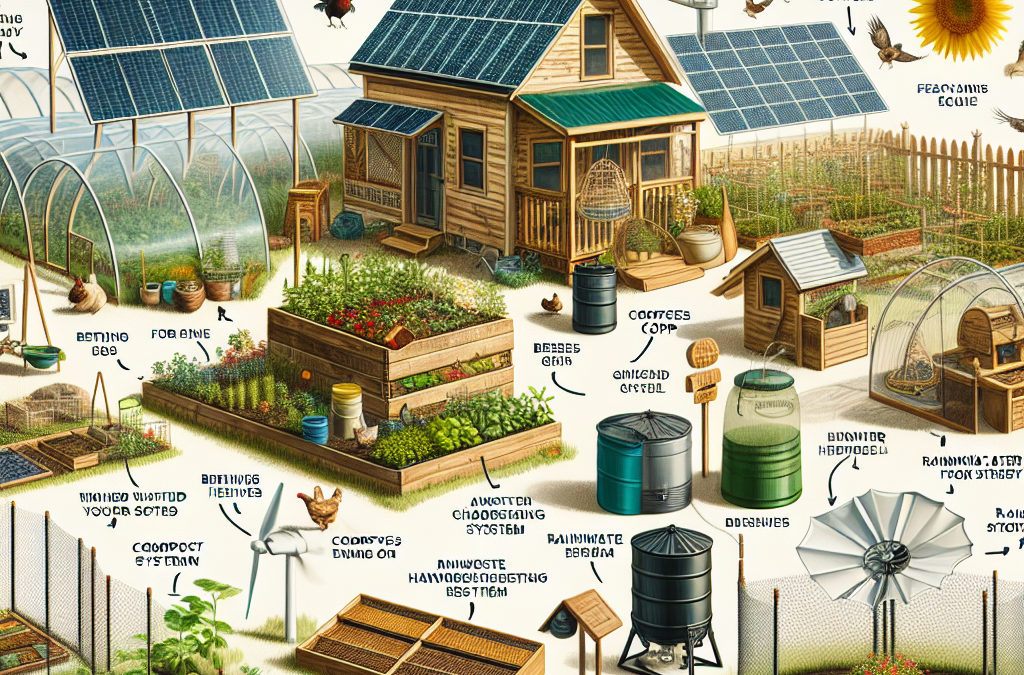
Effective spring systems are vital for maximizing the potential of any homestead. They not only enhance water management but also ensure that crops receive the necessary hydration to thrive, which is crucial during the growing season. By integrating innovative spring systems into your homestead, you can optimize your resources, improve crop yields, and create a sustainable environment that supports your lifestyle.
However, many homesteaders overlook the importance of these systems, leading to poor resource management and unproductive seasons. Common mistakes include inadequate planning for water sources, neglecting seasonal changes, and failing to adapt systems to local conditions. Understanding these pitfalls is essential for prioritizing the right strategies for your homestead.
Understanding Spring Systems
Spring systems encompass various methods for managing water resources efficiently on a homestead. These can include rainwater harvesting, irrigation systems, and groundwater management techniques. Understanding the different types of spring systems is crucial for selecting the best approach for your specific needs.
Prioritizing the right system involves considering factors such as climate, soil type, and crop requirements. For instance, areas with high rainfall may benefit more from rainwater harvesting systems, while dryer regions might require more sophisticated irrigation setups. Ignoring these factors can lead to inefficiencies and suboptimal harvests.
Choosing the Right System for Your Homestead
Selecting the appropriate spring system requires an assessment of your homestead’s unique characteristics. Factors such as size, layout, and existing natural water sources should guide your decision. Systems like drip irrigation, surface irrigation, or even aquaponics can be tailored to meet your specific circumstances.
Trade-offs exist when choosing a system; for example, drip irrigation may require a higher initial investment but offers long-term water savings and efficiency. Conversely, simpler systems may be less costly upfront but may not provide the same level of resource management. Weighing these options carefully is vital for ensuring long-term sustainability.
Implementation Strategies for Success
Once you’ve chosen a spring system, effective implementation is key to its success. This may involve setting up necessary infrastructure, such as tanks for rainwater collection, or installing drip lines for irrigation. It’s essential to plan your layout strategically to maximize efficiency and ease of access.
Monitoring and maintenance are also crucial. Regularly checking for leaks, ensuring proper filtration, and adjusting systems based on seasonal changes can prevent costly mistakes. Homesteaders often underestimate the time and resources required for maintenance, leading to system failures that can jeopardize crop yield.

Common Pitfalls to Avoid
Many homesteaders face challenges when implementing spring systems, often due to a lack of planning or understanding of local conditions. Failing to account for seasonal variations can result in over- or under-watering, which negatively impacts plant health.
Additionally, assuming that a system that works for one homesteader will work for another can lead to frustration and wasted resources. Each homestead is unique, and what works in one environment may not translate to another. Conducting thorough research and seeking local advice can help mitigate these risks.
Frequently Asked Questions
What are the main benefits of spring systems for homesteading?
Spring systems enhance water efficiency, improve crop yields, and promote sustainable resource use, leading to a more productive homestead.
How do I choose the right spring system for my homestead?
Assess your homestead’s characteristics, such as size, climate, and existing water sources, to select the most suitable system.
What common mistakes should I avoid when implementing spring systems?
Neglecting to plan for seasonal changes, underestimating maintenance needs, and assuming one system works for all are common pitfalls.
What maintenance is required for spring systems?
Regular checks for leaks, ensuring proper filtration, and seasonal adjustments are essential for maintaining system efficiency.
Can I combine different spring systems for better results?
Yes, integrating multiple systems, like rainwater harvesting with irrigation, can enhance overall water management and resource efficiency.
Conclusion
Incorporating effective spring systems into your homestead is essential for achieving sustainability and productivity. By understanding your unique needs and avoiding common pitfalls, you can create a resilient environment that supports your agricultural goals. Prioritize careful planning, ongoing maintenance, and adaptability to ensure long-term success in your homesteading journey.