
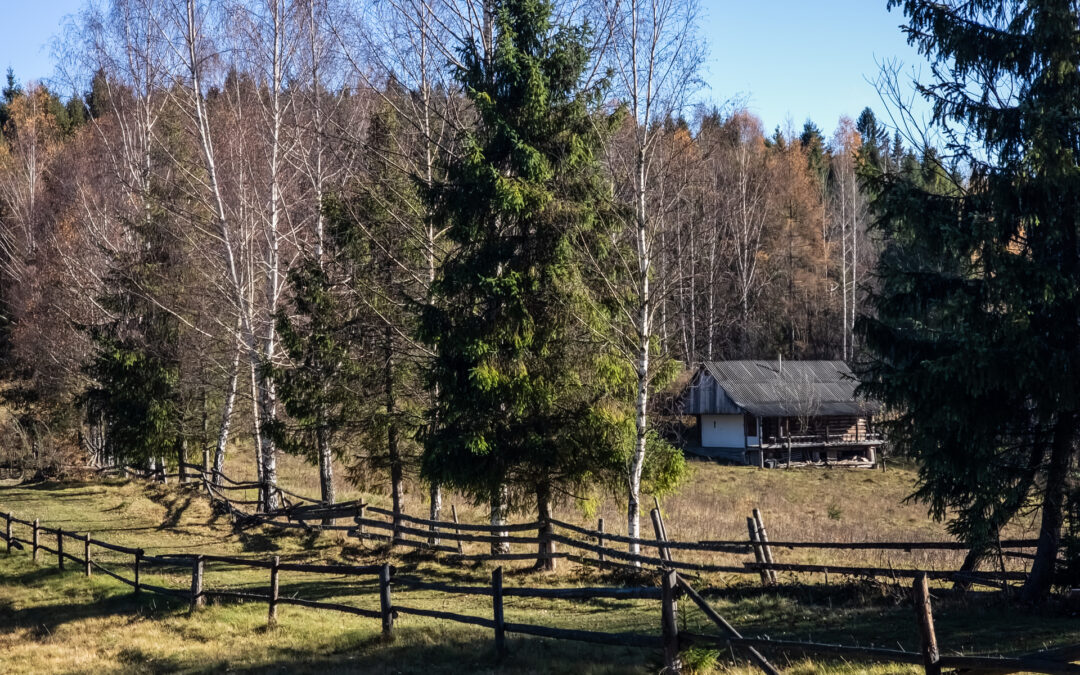
Homestead life through the winter can be both rewarding and demanding. As temperatures drop and daylight hours shorten, the routines and strategies that worked during warmer months may need significant adjustments. Prioritizing the right preparations allows homesteaders to maintain productivity while ensuring their families stay warm and fed.
In the winter months, common pitfalls include underestimating the need for adequate food supplies, neglecting animal care, and failing to maintain proper shelter conditions. Many new homesteaders mistakenly believe that winter is a time to slow down, but in reality, it often requires even more diligence and foresight. Setting up a plan that addresses these challenges is essential for sustaining a homestead through the cold.
Food Preservation Techniques for Winter
Effective food preservation is crucial for homesteaders during winter months. The ability to store food not only ensures a steady supply but also allows for less reliance on outside sources. Techniques such as canning, freezing, and root cellaring become indispensable.
Many homesteaders make the mistake of not preparing enough food in advance, leading to shortages. It’s essential to assess your family’s needs and plan accordingly. For instance, consider preserving seasonal produce while it’s fresh, as this will maximize your food supply and minimize waste.
Caring for Livestock in Cold Weather
Livestock care is another critical aspect of homesteading through the winter. Animals can suffer from cold stress, which can lead to health issues and decreased productivity. Providing adequate shelter, bedding, and food is essential to keep them healthy.
One common assumption is that animals can thrive without additional care in cold climates. This is misleading; each species has different needs. Chickens may require insulated coops, while larger animals like goats need protection from wind and moisture. Prioritize determining the specific needs of your livestock to ensure their well-being.
Insulating Your Homestead: Keeping Warm
Insulation is key to maintaining a comfortable environment within your homestead. Proper insulation can significantly reduce heating costs and improve overall comfort levels. Evaluate your existing insulation and identify areas that may need improvement.

Many homesteaders overlook the importance of sealing drafts and gaps, which can lead to heat loss. Simple measures like weather stripping doors and windows or using thermal curtains can make a noticeable difference. Assess your heating sources as well; wood stoves, for example, require regular maintenance to function efficiently.
Frequently Asked Questions
What should I prioritize for food preservation during winter?
Focus on canning seasonal produce, freezing meats, and utilizing root cellars for vegetables to ensure a diverse and sustainable food supply.
How can I keep my livestock healthy in winter?
Ensure they have adequate shelter, bedding, and food, and monitor their health regularly to prevent cold stress and illness.
What are effective insulation methods for my home?
Use weather stripping, thermal curtains, and check for gaps in insulation to keep your home warm and reduce heating costs.
How can I plan my gardening for the following spring?
Start planning now by researching which crops thrive in your region and preparing soil amendments during the winter months.
What common mistakes should I avoid during winter homesteading?
Avoid underestimating your food needs, neglecting livestock care, and failing to prepare your home for cold weather.
Conclusion
Winter homesteading requires proactive planning and attention to detail. By focusing on food preservation, livestock care, and home insulation, you can navigate the cold months successfully. Prioritize these areas to ensure a sustainable and productive homestead, setting the stage for a fruitful spring. Embrace the challenges, and your efforts will pay off in the form of resilience and self-sufficiency.


