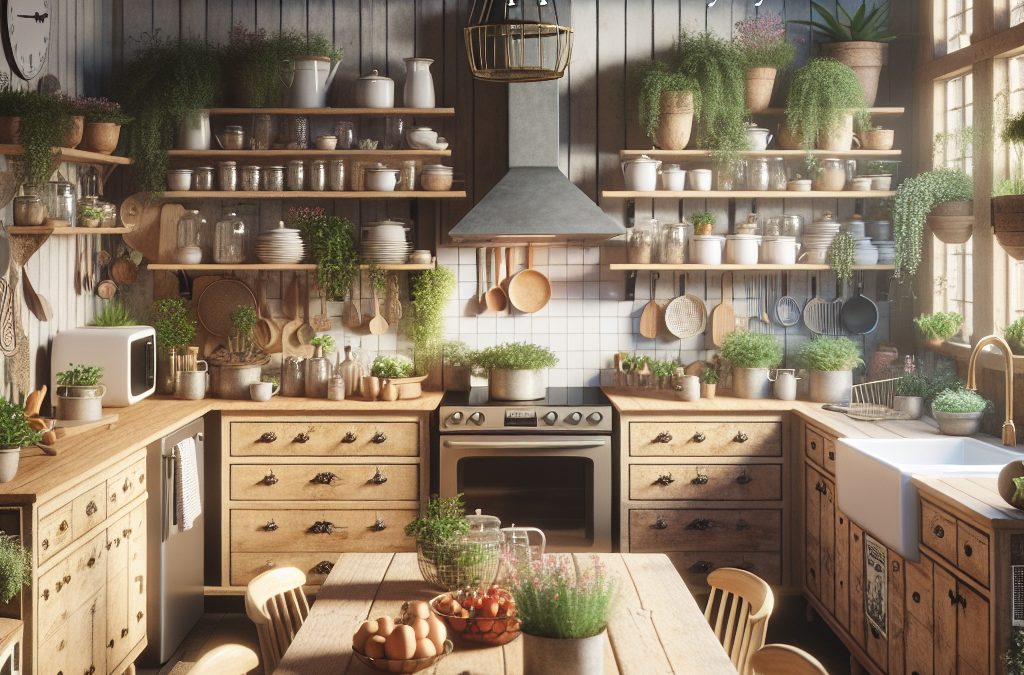
However, many people fail to understand that minimalist living requires a shift in mindset. It’s easy to assume that living simply means sacrificing comfort or convenience. In reality, the goal is to enhance your life by focusing on quality over quantity. Common pitfalls include holding onto items because of sentimental value or mistakenly believing that more possessions equate to a richer life. Recognizing these misconceptions is crucial for successfully transitioning to a minimalist lifestyle.
Understanding Minimalist Living
At its core, minimalist living is about simplifying your life to focus on what truly matters. This means reducing physical clutter, but it also involves mental decluttering—letting go of unnecessary stressors and distractions. On a homestead, this can translate to prioritizing sustainable practices, such as growing your own food and reducing reliance on consumer goods.
To adopt this lifestyle effectively, you need to assess your current situation critically. Begin by identifying what you truly need versus what you want. Many people mistakenly believe that owning more will lead to greater happiness, but in reality, the opposite can often be true. By recognizing the difference between genuine needs and fleeting desires, you can make more informed choices about what to keep and what to let go.
Practical Steps to Embrace Minimalism
Transitioning to minimalist living on the homestead involves several practical steps. Start by decluttering your living space systematically. Choose a room or area and evaluate each item based on its utility and emotional value. If something doesn’t serve a purpose or bring you joy, consider donating or selling it.
Additionally, implement practices that promote sustainability and resourcefulness. For example, adopt a gardening approach that emphasizes permaculture principles. This not only reduces your reliance on store-bought goods but also aligns with the minimalist philosophy of using resources wisely. Remember that minimalism is a journey; take small, manageable steps to avoid feeling overwhelmed.
Benefits of Minimalist Living on the Homestead
The benefits of embracing minimalist living on the homestead are numerous. First, it fosters a sense of peace and clarity. By eliminating excess, you create a more tranquil living environment that allows for greater focus on your goals and aspirations. Moreover, this lifestyle can lead to significant cost savings, as you reduce spending on non-essential items.
Additionally, minimalist living encourages a deeper connection with your surroundings. By prioritizing sustainable practices, you become more aware of your impact on the environment and can make choices that benefit both your homestead and the planet. This approach not only enhances your quality of life but also contributes to a healthier ecosystem.

Common Challenges and Solutions
While the benefits of minimalist living are compelling, there are challenges to consider. One common issue is the emotional attachment to belongings. Many individuals struggle with letting go of items that hold sentimental value. A practical solution is to document the memories associated with these items through photos or journals, allowing you to cherish the memories without holding onto the physical objects.
Another challenge is the societal pressure to conform to consumerist behaviors. It can be difficult to resist the urge to accumulate more, especially in a culture that often equates success with material wealth. Finding a supportive community, either locally or online, can provide encouragement and motivation to maintain your minimalist journey.
Frequently Asked Questions
What are the key principles of minimalist living?
The key principles include simplifying your life, prioritizing essential needs, and reducing physical and mental clutter.
How can I start living minimally on my homestead?
Begin by decluttering your space, focusing on essential items, and adopting sustainable practices like gardening.
What are the benefits of minimalist living?
Benefits include reduced stress, cost savings, increased focus, and a deeper connection to your environment.
How do I deal with emotional attachments to possessions?
Document memories through photos or journals to help you let go of physical items while preserving the sentiment.
Can minimalism coexist with family life?
Yes, minimalism can enhance family life by promoting shared values and reducing clutter, creating a more peaceful home environment.
Conclusion
Embracing minimalist living on the homestead is a transformative journey that can lead to a more fulfilling and sustainable lifestyle. By focusing on what truly matters and letting go of excess, you can create a harmonious living environment that aligns with your values. Start small, be patient with yourself, and remember that the goal is to enhance your life, not complicate it. Make conscious choices that reflect your commitment to simplicity and sustainability for a brighter future.