
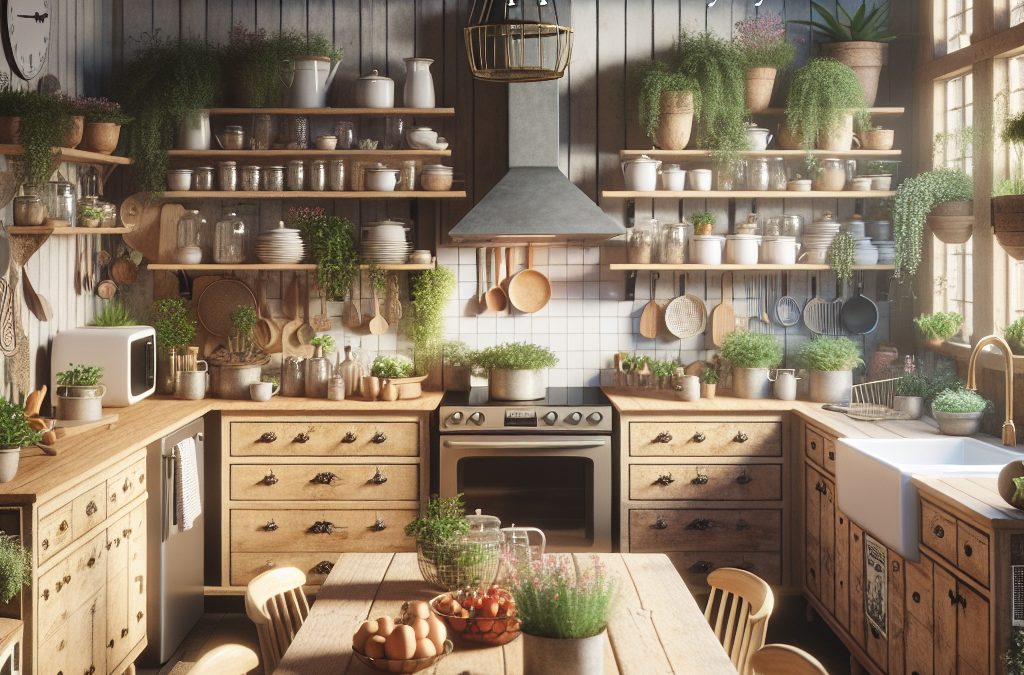
Replacing store food with homegrown produce is not just a trend; it’s a pathway to greater self-sufficiency and sustainability. As food prices fluctuate and concerns about food quality rise, many individuals and families are exploring the potential of cultivating their own food. This shift not only enhances control over what we consume but also fosters a deeper connection to our environment.
However, embarking on this journey is not without its challenges. Common pitfalls include underestimating the time and resources required for successful home gardening. Misjudging local climate conditions or neglecting to understand soil quality can lead to disappointing yields. Therefore, it’s crucial to approach this transition with realistic expectations and a well-thought-out plan.
Understanding Your Space and Climate
Before diving into home gardening, assess your available space and local climate. Different crops require varying amounts of sunlight, water, and space to thrive. Urban dwellers may find opportunities in small backyards, balconies, or even community gardens, while those in rural areas might have more extensive options. Understanding your specific microclimate is essential, as it affects everything from planting times to the types of crops that will flourish.
Many beginners fail to consider how environmental factors influence crop growth. For instance, planting too early in a cooler climate can lead to frost damage. Conversely, those in warmer regions might struggle with heat stress on plants. Conducting a simple soil test can help you understand nutrient levels and pH, enabling you to amend your soil appropriately for optimal growth.
Choosing the Right Crops for Your Needs
Selecting crops that align with your family’s dietary preferences and the local growing season is vital for success. It’s beneficial to start with easy-to-grow varieties such as tomatoes, lettuce, and herbs, which can provide quick rewards and build confidence. Additionally, consider what produce you frequently purchase from the store—growing these items can significantly reduce your grocery bills.
Many novice gardeners overlook the importance of crop rotation and companion planting. These practices not only enhance soil health but also help in pest management. Failing to rotate crops can lead to nutrient depletion and increased vulnerability to pests and diseases, ultimately affecting your yields.
Planning and Managing Your Garden
Effective garden management involves careful planning and consistent maintenance. Create a planting schedule that aligns with your local frost dates and growing seasons. This will help you maximize your garden’s productivity throughout the year. Regular tasks include watering, weeding, and monitoring for pests, which can make or break your gardening success.
Many people underestimate the time commitment required for garden upkeep. Setting a routine can help mitigate the overwhelming nature of garden maintenance. For example, dedicating just 30 minutes a few times a week can yield substantial results, ensuring your plants receive the care they need to thrive.

Harvesting and Preserving Your Homegrown Food
Once your crops are ready for harvest, it’s crucial to know the right time to pick them for the best flavor and nutritional value. For instance, harvesting vegetables in the morning can result in crisper, fresher produce. Additionally, learning proper preservation techniques such as canning, freezing, or drying can help you make the most of your harvest and extend your food supply.
Many new gardeners fail to consider how to store their produce effectively. Improper storage can lead to spoilage, negating the efforts invested in growing your food. Researching preservation methods that suit your crop types and household needs can ensure that your homegrown bounty lasts longer and remains nutritious.
Further Reading
For those looking to deepen their knowledge on home gardening, consider exploring local agricultural extension services or community gardening workshops. These resources often provide tailored advice based on regional conditions and can connect you with fellow gardening enthusiasts.
Frequently Asked Questions
What are the first steps to start a home garden?
Begin by assessing your space and climate, then choose easy-to-grow crops that suit your family’s preferences.
How do I know what crops to grow?
Consider your eating habits, local climate, and the growing season when selecting crops to maximize your garden’s yield.
What are common mistakes to avoid in home gardening?
Common mistakes include planting too early or late, neglecting soil testing, and failing to manage pests effectively.
How can I preserve my harvest?
Learn canning, freezing, or drying techniques to extend the shelf life of your homegrown produce.
Is home gardening cost-effective?
Yes, growing your own food can significantly reduce grocery bills, especially if you focus on high-yield crops that you frequently purchase.
Conclusion
Replacing store food with homegrown options can transform your relationship with food and enhance your self-sufficiency. By understanding your environment, choosing suitable crops, and managing your garden effectively, you can enjoy the numerous benefits of home gardening. Start small, stay consistent, and you’ll find that the rewards are well worth the effort.


