by Julian Chandler | Aug 21, 2026 | Homesteading
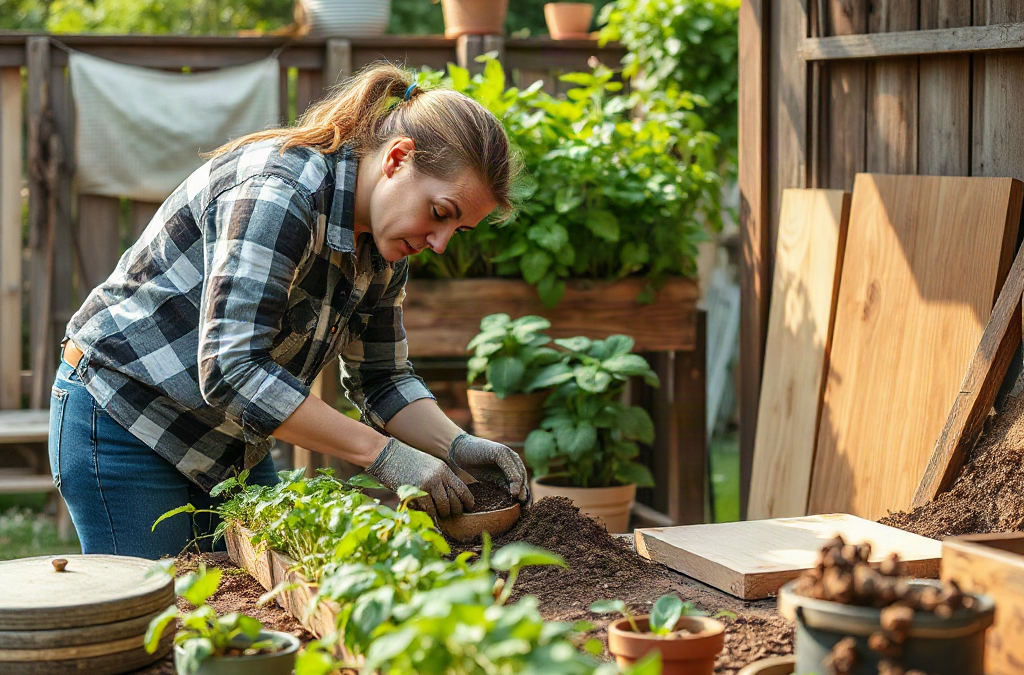
Organic gardening, homesteading, and woodworking skills work best as a connected system: grow reliable crops, preserve useful materials, and build or repair what the household uses most. Begin with soil testing, compost that is fully decomposed, crop choices suited to the site, and basic shop safety before expanding.
by Julian Chandler | Aug 21, 2026 | Homesteading
Homesteading in rural areas: essential considerations include dependable water, legal land-use checks, access, power, food production, and the seasonal workload required to maintain them. Before buying or building, verify well or water options, septic suitability, road access, internet availability, emergency travel times, and local rules for dwellings, livestock, and outbuildings.
by Julian Chandler | Aug 21, 2026 | Homesteading
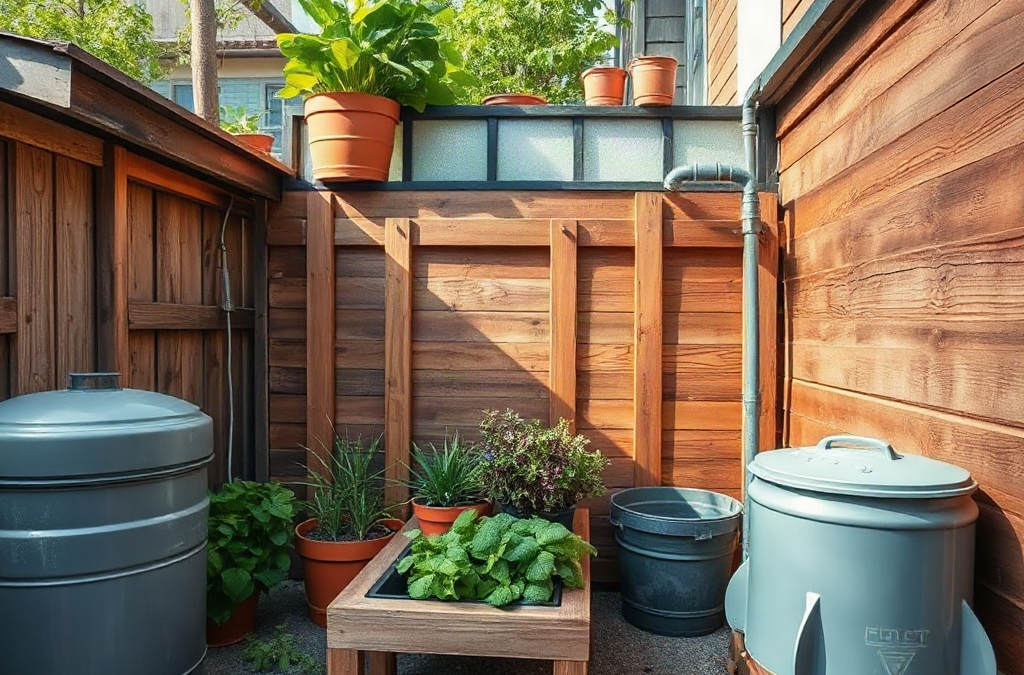
Urban homesteading methods for small properties work best when limited space is assigned to high-yield food production, modest water capture, and compact systems that fit local rules and daily routines. Prioritize sun exposure, reliable access to water, soil safety, and crops that produce repeatedly, such as herbs, salad greens, tomatoes, peppers, and climbing beans.
by Julian Chandler | Aug 20, 2026 | Homesteading
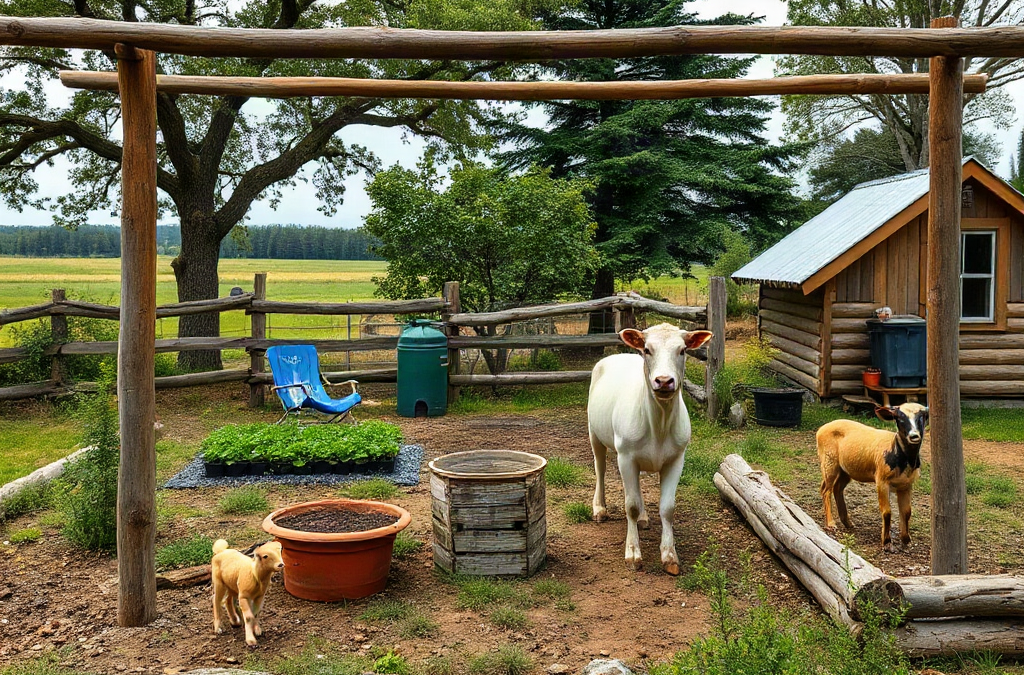
Explore small-scale homesteading on limited acreage through designing around real, including practical limits and conditions that change the outcome.
by Julian Chandler | Aug 20, 2026 | Homestead Lifestyle
Amish lifestyle practices relevant to homesteaders center on purposeful simplicity: producing and preserving food, repairing tools, limiting unnecessary dependence on technology, and relying on reciprocal community labor. Homesteaders can adapt kitchen gardening, seasonal canning, root-cellar storage, hand-tool maintenance, animal-powered work, and barn-raising-style cooperation without copying religious rules or community boundaries.


