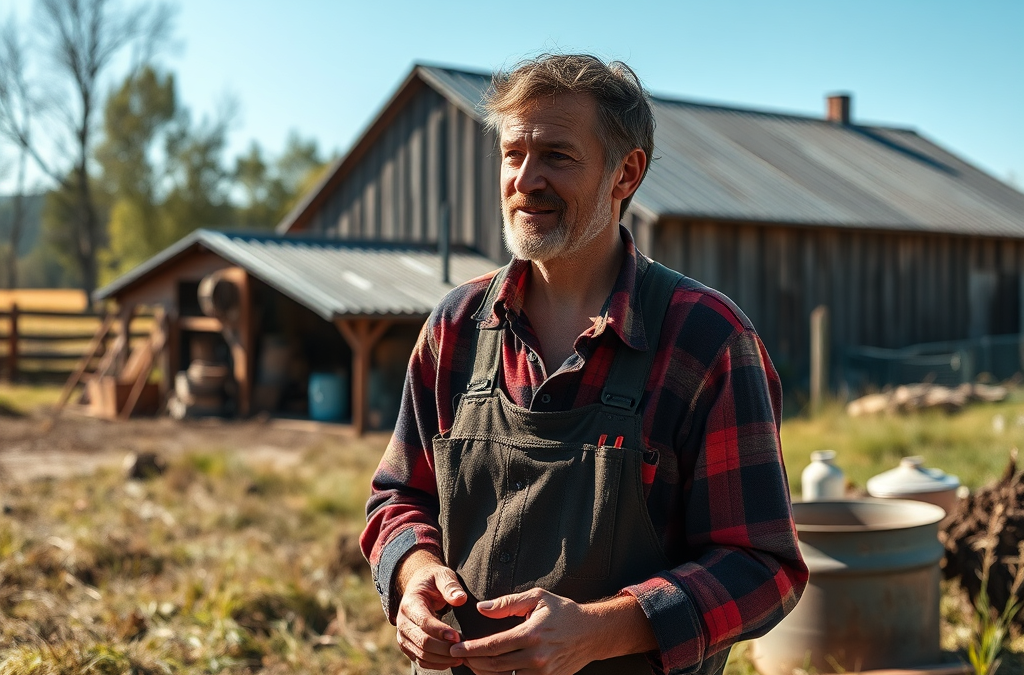
Selecting the ideal location for your homestead requires careful consideration of land characteristics, climate, and resource accessibility. Focus on soil quality, as fertile land with good drainage is essential for successful gardening and farming. Additionally, assess water availability for livestock and crops, and ensure you are close to markets for necessary supplies. A common pitfall is neglecting to check zoning regulations and environmental hazards, which can impede your homesteading efforts. By thoroughly researching these aspects, you can enhance your chances of achieving a sustainable and productive homestead.
Understanding Land Characteristics
When selecting a location for your homestead, understanding the land characteristics is crucial. The quality of the soil, topography, and natural resources directly affect your ability to cultivate crops and raise livestock. For instance, fertile soil with good drainage is ideal for gardening and farming, while hilly or rocky terrain may present challenges for construction and planting.
One common mistake is failing to conduct soil tests before purchasing land. Soil tests reveal pH levels, nutrient content, and contamination risks, helping you make informed decisions. Additionally, consider the land’s elevation and slope, as these factors influence water drainage and accessibility.
It’s also essential to assess the availability of natural resources, such as timber for building and firewood, and water sources for irrigation and consumption. Proximity to forests or rivers can enhance your homesteading capabilities, but it also requires careful management to avoid over-exploitation.
Evaluating Climate and Weather Patterns
Climate plays a significant role in the success of your homestead. Understanding the local weather patterns will help you choose crops that thrive in your region and prepare for seasonal challenges. Factors like temperature, rainfall, and frost dates can determine the types of plants you can grow and the livestock you can raise.
For example, if you live in a region with a short growing season, consider planting early-maturing crops and using season extenders like greenhouses. Conversely, in areas with long summers, you may have more flexibility with your crop selection. Always check historical weather data and consult local agricultural extensions for insights on what works best in your area.
Another aspect to consider is the risk of natural disasters, such as floods, hurricanes, or wildfires. Research local history on these events, as well as any mitigation measures in place, to assess how secure your potential homestead location will be.
Access to Resources and Infrastructure
Accessibility to resources and infrastructure is critical when choosing a homestead location. Ensure that your site provides easy access to essential services like grocery stores, medical facilities, and educational institutions. While rural living offers many benefits, isolation can pose challenges, especially during emergencies.
Additionally, consider the availability of utilities such as electricity, water, and internet. While off-grid living is appealing to many homesteaders, it requires substantial planning and investment in alternative energy sources and water collection systems. If you prefer a more traditional approach, ensure that your chosen site is connected to the necessary utilities.
Transportation access is another factor to weigh. Proximity to major roads or highways can facilitate the transport of goods and services, making it easier to source supplies and sell your products. However, be mindful of potential noise and pollution if you are too close to busy thoroughfares.
Legal and Environmental Considerations
Before finalizing your homestead location, investigate legal and environmental considerations. Zoning laws may dictate how you can use your land, including restrictions on livestock or farming activities. Familiarize yourself with local regulations and ensure that your plans align with them to avoid costly legal issues.
Environmental factors, such as protected wildlife habitats or wetlands, may also impact your ability to develop your homestead. Conducting an environmental assessment can help identify any potential restrictions and guide your planning process.

Lastly, consider the community dynamics in your prospective area. Engaging with local homesteaders and farmers can provide valuable insights and support as you establish your homestead. Building connections within the community can enhance your experience and facilitate collaboration on various projects.
Frequently Asked Questions
What is the most important factor when choosing a homestead location?
The most important factor is the quality of the land, including soil fertility, water availability, and natural resources.
How can I assess the soil quality before buying land?
Conduct soil tests to evaluate pH levels, nutrient content, and any potential contaminants.
What climate considerations should I keep in mind?
Evaluate temperature ranges, rainfall patterns, and frost dates to determine suitable crops and livestock for your area.
Are there legal restrictions on homesteading?
Yes, zoning laws can dictate land use, so it’s essential to research local regulations before purchasing property.
How important is community when choosing a homestead location?
Community can provide support, resources, and networking opportunities that enhance your homesteading experience.
Conclusion
Selecting the right location for your homestead is a multifaceted decision that requires careful consideration of land characteristics, climate, access to resources, and legal factors. Prioritize soil quality and water availability while remaining mindful of community dynamics and environmental regulations. By thoroughly researching and evaluating these aspects, you can lay a solid foundation for a successful and sustainable homesteading journey.