by Homesteading Lifestyle Editorial Team | Sep 4, 2026 | Homesteading
Homesteading-ish means building useful household resilience without abandoning modern life, through manageable food production, basic preservation, repair skills, emergency supplies, and sensible resource use. A workable approach matches projects to available time, space, money, climate, and household needs rather than copying an intensive rural lifestyle.
by Homesteading Lifestyle Editorial Team | Sep 3, 2026 | Homesteading
Practical homesteading topics for skill building are best organized into a 12-month sequence that moves from observation and soil preparation to food production, preservation, animal care, repairs, and emergency readiness. Begin with low-risk skills such as garden planning, tool maintenance, compost management, and basic cooking so mistakes cost little and results are easy to measure.
by Homesteading Lifestyle Editorial Team | Sep 3, 2026 | Homesteading
Family canning methods for household storage work best when each food is matched to a tested water-bath or pressure-canning process, then labeled and rotated in a cool, dark pantry. High-acid foods such as fruit, pickles, and properly acidified tomatoes generally use boiling-water canning, while low-acid vegetables, meats, poultry, and many…
by Homesteading Lifestyle Editorial Team | Sep 3, 2026 | Homesteading
A couple can then use Couple planning for shared homestead production to compare the proposed project with the limits already visible in their records.
by Homesteading Lifestyle Editorial Team | Sep 2, 2026 | Homesteading
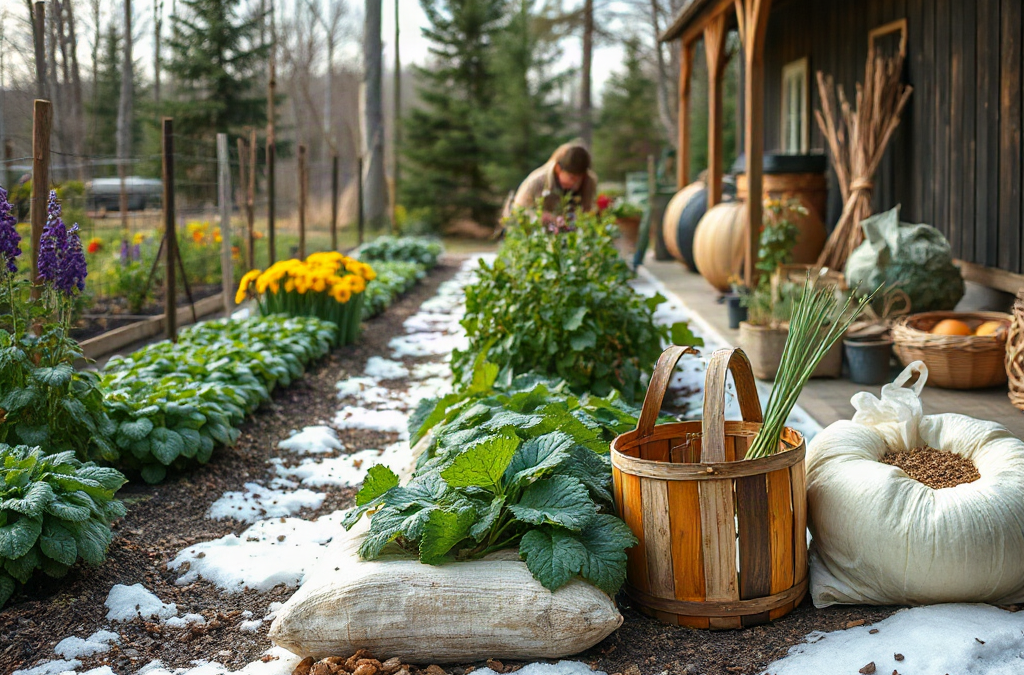
Northern homesteading adapts to short growing seasons by matching crops to local frost dates, starting transplants early, using season-extension structures, and choosing reliable storage crops. Cold soil and late spring frosts can delay planting, while an early autumn freeze may end production before warm-season plants mature.
by Homesteading Lifestyle Editorial Team | Sep 2, 2026 | Homesteading
Homesteading is still available under modern law only in limited forms, because the original federal free-land system ended and current opportunities usually come from state programs, local incentives, or ordinary property purchases. Some jurisdictions may offer tax reductions, redevelopment parcels, or rural settlement assistance, but these are not automatic claims to unoccupied public land.


